The Cost Mistake Almost Every Buyer Makes
Most people think a 50×100 steel building is just a bigger version of a 40×60.
That assumption is similar to cost misunderstandings outlined in 40×60 steel building cost in Canada where project cost differs significantly from initial quotes.
It is not.
At this size, the entire behavior of the structure changes.
The quote may look reasonable at first. Then the project moves forward:
- foundation cost increases
- site work expands
- structural upgrades appear
- permit revisions delay timelines
And the final cost is nowhere near the original number.
At 50×100 scale, cost is no longer driven by square footage. It is driven by structural demand and site conditions.
What a 50×100 Steel Building Actually Includes
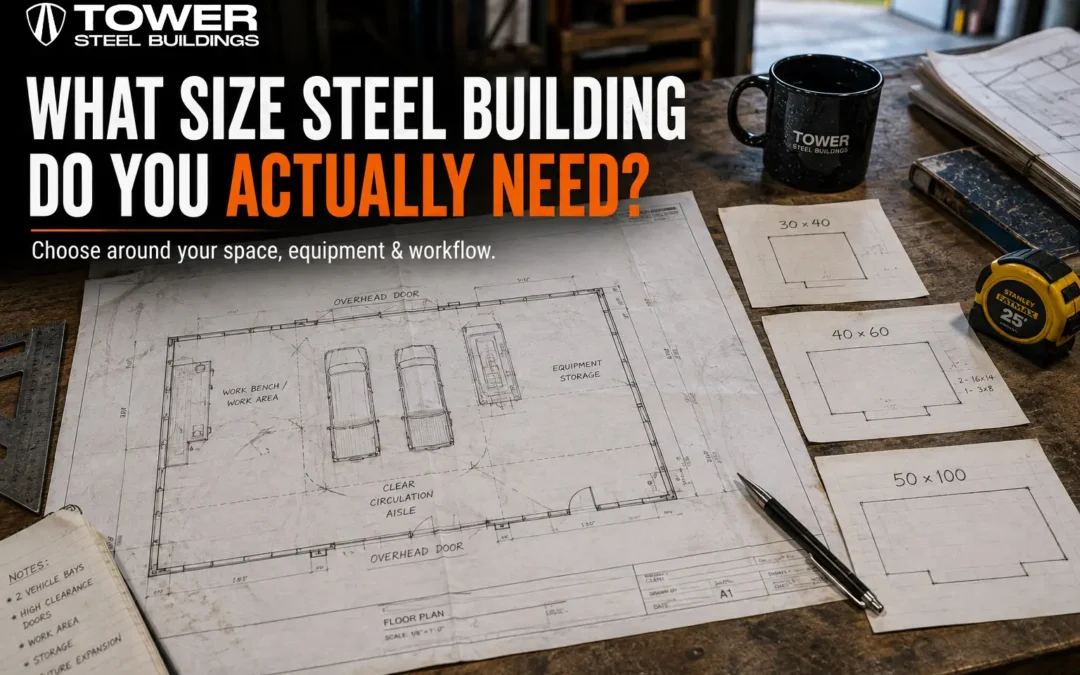
A 50×100 building is 5,000 sq ft.
At this size, it is typically used for:
- workshops
- commercial operations
- agricultural storage
- light industrial use
Definition for clarity:
The cost of a 50×100 steel building usually refers to the building kit only.
Structural design and material standards are also defined by the Canadian Standards Association (CSA).
The total project cost includes foundation, site work, installation, permits, and building systems.
This difference is where most budgets fail.
Total cost behaviour aligns with steel building cost per sq ft in Canada where real pricing depends on structure, site, and design decisions.
Base Cost of a 50×100 Steel Building
Typical building kit:
- $18 to $32 per sq ft
- Total: $90,000 to $160,000
This depends on:
- snow and wind loads
- building height
- roof system
- openings
This is only the structural package.
Why Larger Steel Buildings Cost More Than Linear Scaling
This is the part most people do not understand.
A 50×100 building is not just 2x the cost of a smaller building.
What changes structurally:
- longer spans increase frame depth and steel weight
- higher reactions increase foundation demand
- wider openings disrupt load paths
- lateral forces increase across larger surfaces
This structural behaviour aligns with long-span steel structure engineering challenges where span length directly affects load distribution and cost.
Engineering logic:
Load does not scale evenly with size.
It concentrates at:
- connections
- supports
- openings
Large buildings do not cost more because they are bigger. They cost more because they behave differently structurally.
Structural Loads Drive Cost at This Size
At 5,000 sq ft, load impact becomes critical.
The building must resist:
- snow accumulation across large roof areas
- wind pressure on wide wall surfaces
- drift zones created by wind interaction
This leads to:
- heavier frames
- stronger connections
- increased bracing
Cost impact: 20% to 50% depending on region.
Environmental load variation is explained in steel building snow load zones in Canada where regional conditions significantly impact structural demand.
Structural load requirements are based on frameworks developed through the Codes Canada program administered by the National Research Council.
Openings and Layout Disrupt Structural Behavior
Most 50×100 buildings include:
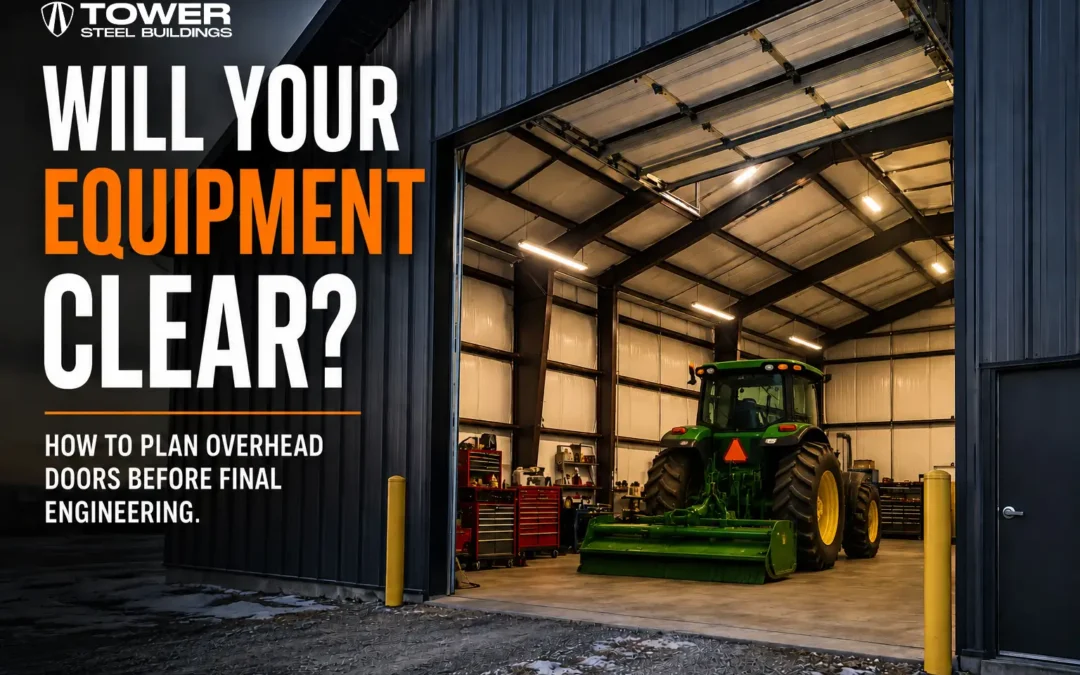
- large overhead doors
- multiple access points
- clear-span interiors
These features:
- interrupt load paths
- concentrate stress at openings
- require reinforcement
Reality: Openings increase cost more than size.
Foundation Cost Increases with Structural Demand
Foundation cost at this size is not optional. It is critical.
This cost is driven by foundation engineering where soil conditions, frost depth, and load transfer define structural performance and cost.
Typical range:
- $15 to $25 per sq ft
- Total: $75,000 to $125,000+
Why costs increase:
- higher column reactions
- risk of differential settlement
- frost depth requirements
- drainage control
Key engineering relationship:
Span increases → reactions increase → foundation size increases
If soil is weak, costs increase significantly.
Site Work: The Most Underestimated Cost at 5,000 sq ft
At this footprint, site work becomes a major engineering task.
These challenges are directly related to steel building site preparation where grading, drainage, and compaction determine long-term stability.
Typical cost:
- $20,000 to $60,000+
What actually drives cost:
- imported fill vs native soil suitability
- compaction requirements for large slabs
- drainage strategy across the entire footprint
- staging and access for large equipment
If the site is not properly prepared:
- slab movement occurs
- drainage issues develop
- long-term structural problems appear
Installation Complexity at This Scale
Installation is no longer straightforward.
Typical range:
- $12 to $22 per sq ft
- Total: $60,000 to $110,000
What increases cost:
- taller structures
- heavier members
- complex framing
- limited access
Improper installation creates:
- misalignment
- connection stress
- long-term structural issues
Heated vs Unheated: The Biggest Cost Split
Unheated:
- basic slab
- minimal insulation
- lower initial cost
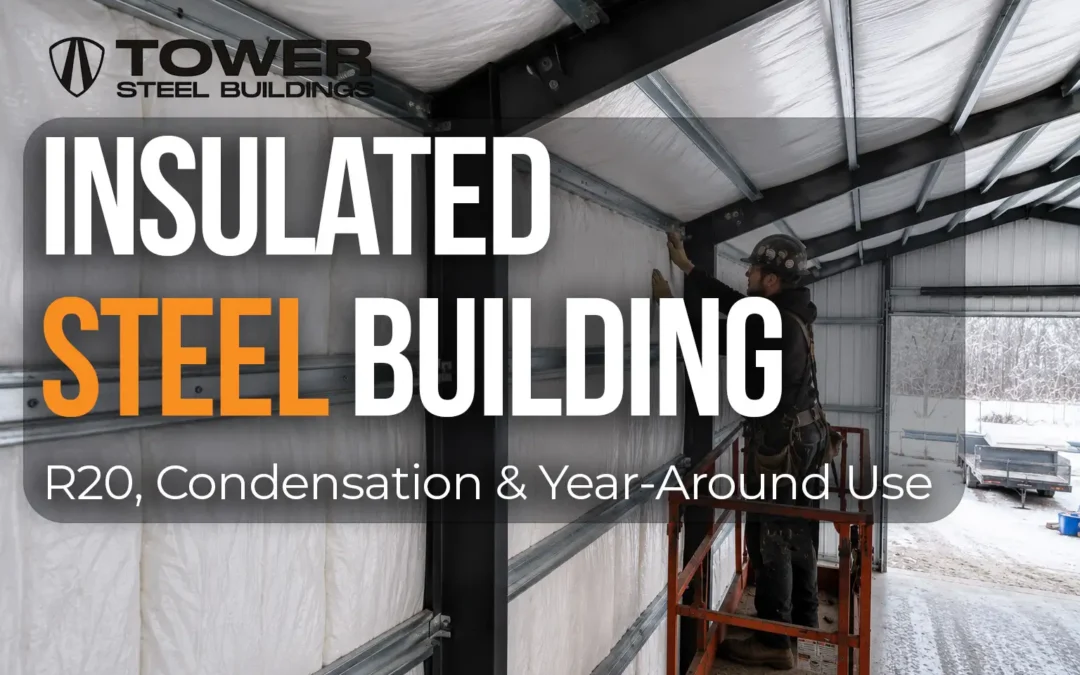
Heated:
- insulated foundation system
- full envelope design
- moisture and condensation control
Cost difference: 15% to 35%
Heating changes:
- structural detailing
- envelope performance
- long-term operating cost
Permit and Coordination Risks
Permit cost is not just a fee. It is a process risk.
Typical costs:
- engineering: $5,000 to $15,000
- permits: $5,000 to $20,000+
Real risk factors:
- occupancy classification changes requirements
- coordination errors between drawings
- revision cycles delay approvals
What happens in reality:
- submission → review → rejection or revision
- redesign required
- timeline resets
This can delay projects by 4 to 12 weeks or more.
Canadian Cost Reality: Location Changes Everything
Cost varies significantly across regions.
Ontario:
- moderate loads
- higher permit complexity
- higher labor cost
Prairies:
- strong wind loads
- snow drift concerns
- structural upgrades required
Northern regions:
- deep frost
- heavy snow loads
- limited construction season
- higher logistics cost
Logistics impact:
- delivery distance
- crane access
- site accessibility
Remote projects can increase cost significantly.
Timing: The Cost Multiplier Nobody Plans For
Winter construction affects cost directly.
Impact:
- frozen ground slows excavation
- concrete requires protection
- productivity drops
Cost increase: 10% to 25%
Decision trigger: If your project moves into late fall, expect higher execution cost.
Real Total Project Cost
Full project breakdown:
- building kit: $90,000 to $160,000
- foundation: $75,000 to $125,000+
- site work: $20,000 to $60,000+
- installation: $60,000 to $110,000
- insulation and systems: $30,000 to $100,000+
- permits and engineering: $10,000 to $30,000
Total:
$300,000 to $600,000+
Where Projects Go Wrong
Most cost overruns happen because:
- site conditions are assumed
- loads are underestimated
- permits are not understood
- design is not aligned with use
These issues compound over time.
These patterns reflect broader issues seen in risk assessment for high-value steel building projects where early assumptions lead to cost escalation.
Final Perspective
A 50×100 steel building is not a simple purchase.
Accurate cost planning requires aligning structure, site conditions, and engineering from the beginning.
Planning a steel building project in Canada ensures realistic budgeting based on actual project variables.
It is a system:
- structure
- foundation
- site
- environment
Cost is not determined by size alone.
It is determined by how the building performs under real conditions.
Reviewed by Engineering Team
This content has been reviewed by the Tower Steel Buildings Engineering Team based on real project data, structural design behavior, and cost outcomes across large-scale steel building projects. The insights reflect actual field conditions, engineering requirements, and construction challenges observed across multiple regions.
1. What is the real total cost of a 50x100 steel building?
- Building kit: $90,000 to $160,000
- Total project: $300,000 to $600,000+
Reality: The steel package is usually only 25% to 40% of the total cost.
2. Why do large 50x100 buildings cost disproportionately more than smaller ones?
Because structural behavior changes with span.
Larger spans create:
- higher column reactions
- heavier frames
- stronger connections
Reality: Cost increases because forces increase, not just size.
3. How do I know if my foundation cost will be high?
Watch for:
- unknown soil conditions
- deep frost requirements
- large column reactions
Typical range:
- standard: $75,000
- complex: $125,000+
Diagnostic rule: If geotechnical data is missing, your foundation cost is underestimated.
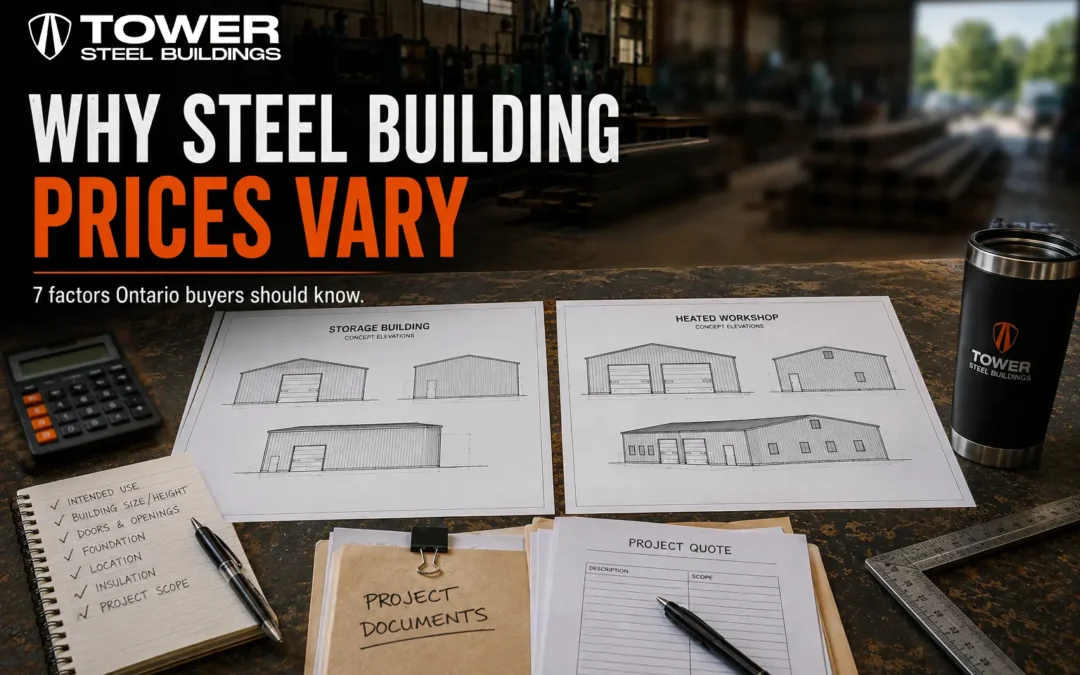
4. Why does a 50x100 workshop cost more than a storage building?
Because workshops require:
- heating
- insulation systems
- large overhead doors
- higher structural capacity
Cost impact: 20% to 40% higher than basic storage.
5. How much can site work increase total project cost?
Typical range:
- simple site: $20,000
- complex site: $60,000+
Key drivers:
- imported fill vs native soil
- compaction requirements
- drainage across large footprint
Reality: Site work is often the biggest hidden cost.
6. How does location in Canada change cost?
Costs vary due to:
- snow loads
- wind exposure
- frost depth
- logistics
Example:
- northern regions → higher foundation + delivery cost
- prairie regions → higher wind design cost
- urban Ontario → higher permit and site cost
7. How much does winter construction increase cost?
Winter construction typically increases cost by:
- 10% to 25%
Due to:
- frozen ground
- slower concrete work
- reduced crew productivity
Decision trigger: If your foundation is poured after late fall, expect higher cost.
8. Why do costs increase after the initial quote?
Because early pricing assumes:
- simple site
- standard loads
- minimal revisions
Costs increase when:
- real site conditions are confirmed
- engineering is finalized
- permits require changes
Reality: Quotes are assumptions. Projects are reality.
9. How do large openings affect cost?
Large doors and openings:
- interrupt load paths
- concentrate structural stress
- require reinforcement
Impact: Can increase structural cost by 5% to 15% or more.
10. When does a 50x100 project become financially risky?
High risk conditions:
- unknown site conditions
- incomplete engineering
- aggressive timeline
- permit uncertainty
Decision trigger: If multiple unknowns exist, your budget is unstable.
11. How much do permit issues impact total cost?
Permits typically cost:
- $5,000 to $20,000+
But real cost impact comes from:
- delays (4 to 12 weeks)
- redesign requirements
- coordination issues
Reality: Time loss often costs more than permit fees.
12. What causes the biggest cost overruns at this size?
Most overruns come from:
- poor site evaluation
- underestimated loads
- permit revisions
- schedule delays
Reality: Overruns are usually planning failures, not pricing mistakes.
13. Why do large buildings rarely fail uniformly?
Because loads do not act evenly.
Stress concentrates at:
- connections
- openings
- support points
Reality: Problems start locally, not across the entire building.
14. What is the biggest mistake buyers make with 50x100 buildings?
Focusing on price per sq ft.
Reality: At this size, cost is driven by structure, site, and use, not area.