
Pre-Engineered Steel Buildings in Ontario & Across Canada
Factory-direct pre-engineered steel buildings designed for Canadian snow and wind loads. Clear guidance, dependable timelines, and a team that helps you move from concept to delivery with confidence.
- Pre-Fab Steel Building Kits
- Factory Direct
- In House Engineering
- Turnkey Available
FREE PROJECT-SPECIFIC QUOTE
GET YOUR FREE STEEL BUILDING QUOTE
Share the core project details and Tower will prepare a quotation based on your actual requirements.
25+ Years
Industry Experience
2,700+
Satisfied Customers
Canada-Wide
Service & Delivery
Engineered
For Canadian Conditions
Trusted by Businesses Across Canada


One Steel System. Many Applications.
From garages and workshops to commercial and agricultural buildings, Tower helps customers choose a steel building configuration around the actual project use, size and location.
Commercial Buildings
Warehouses & Logistics
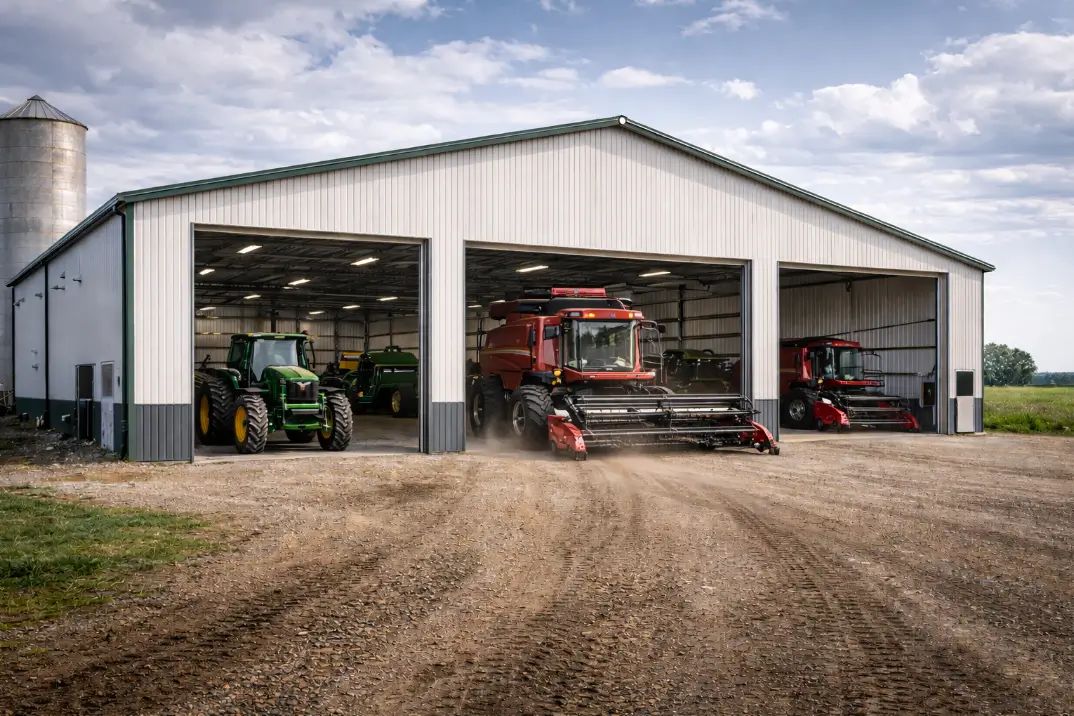
Farm & Equipment Buildings
Garages & Workshops
Truck Garages
Aircraft Hangars
From Quote to Build, We Make It Easy
Request a Quote
Share your project details so our team can understand what you need.
Design & Engineering
We develop a solution aligned with size, use, code and location.
Approval & Permits
Drawings and supporting documents help move approvals forward.
Manufacture & Deliver
Your steel package is fabricated and coordinated for site delivery.
Build with Confidence
Move into erection with a clear scope and coordinated project plan.
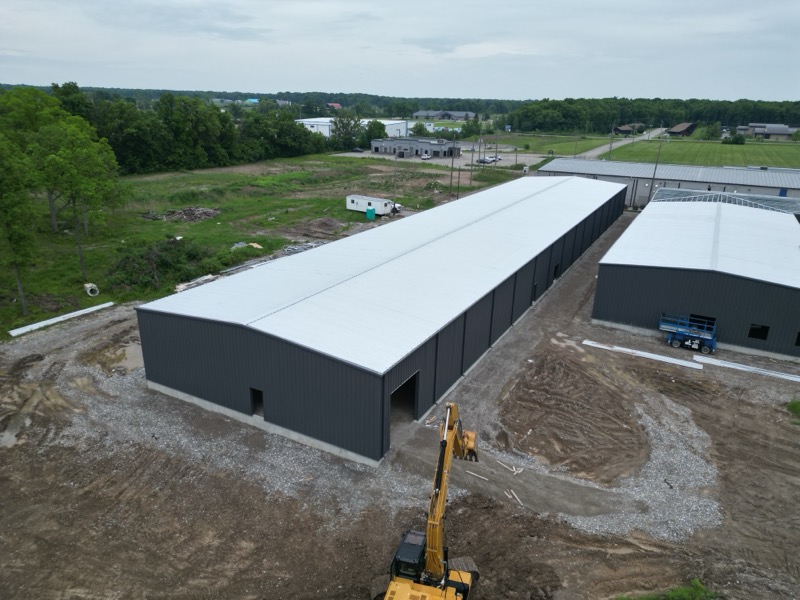
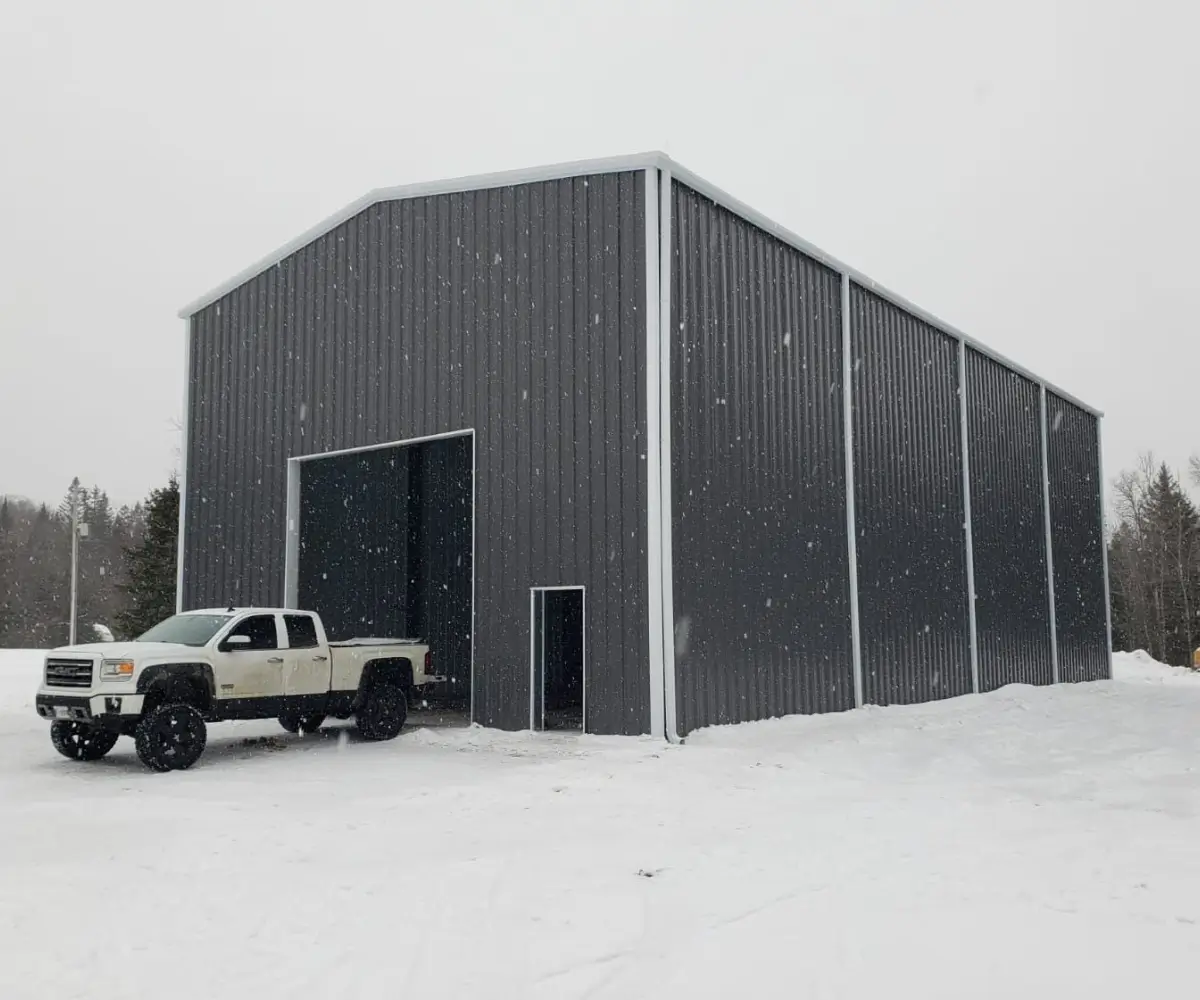
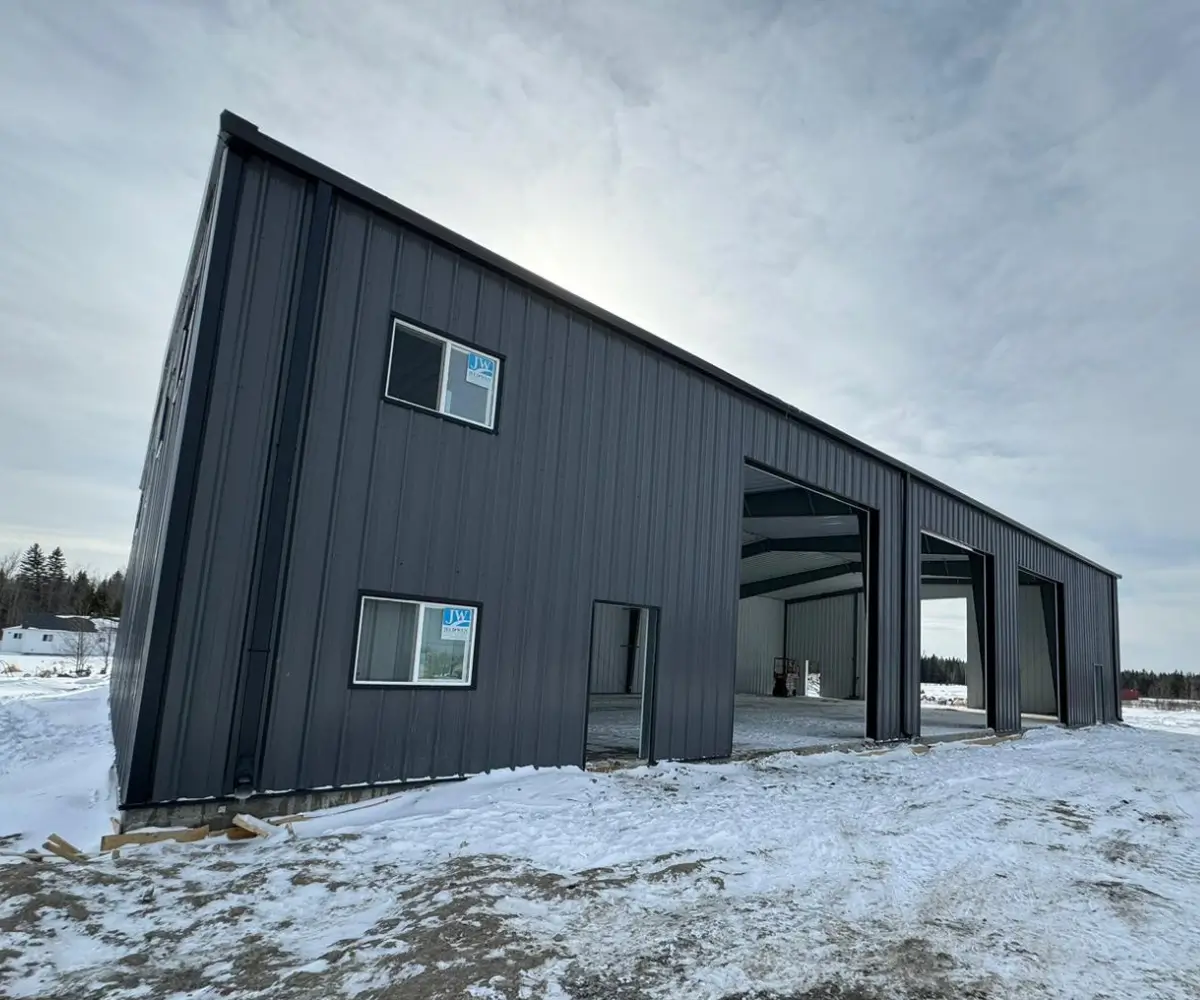
Featured Steel Building Applications
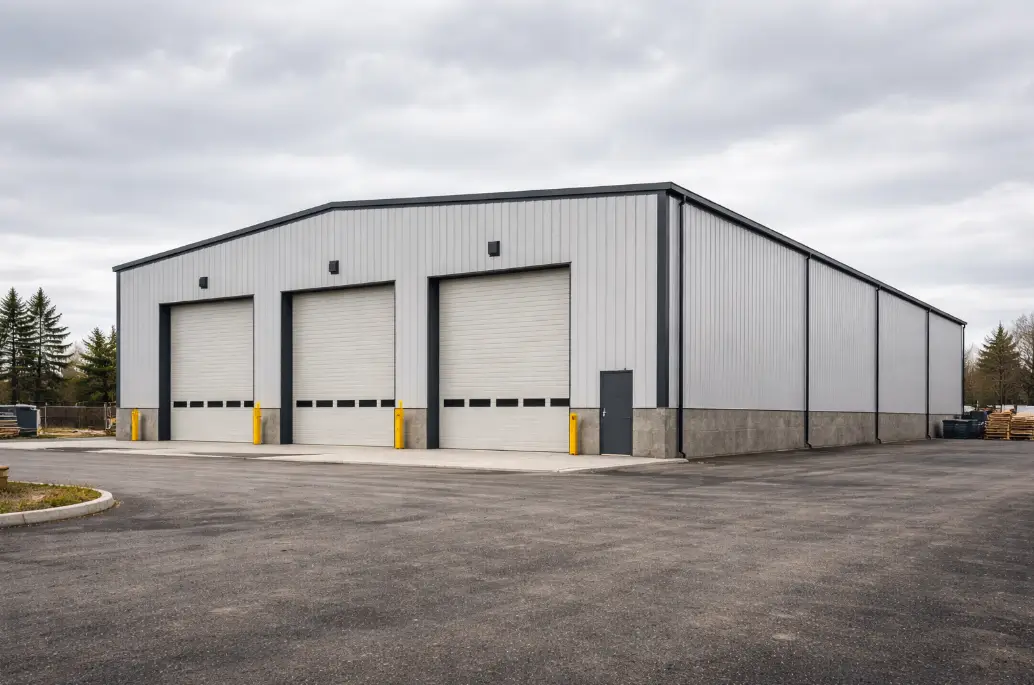
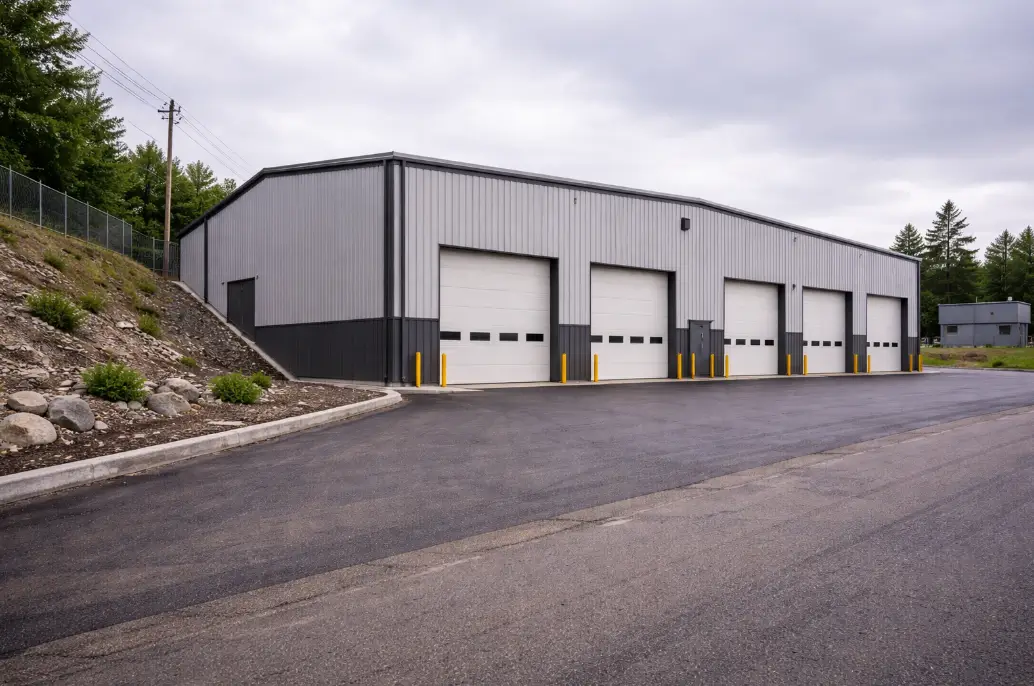
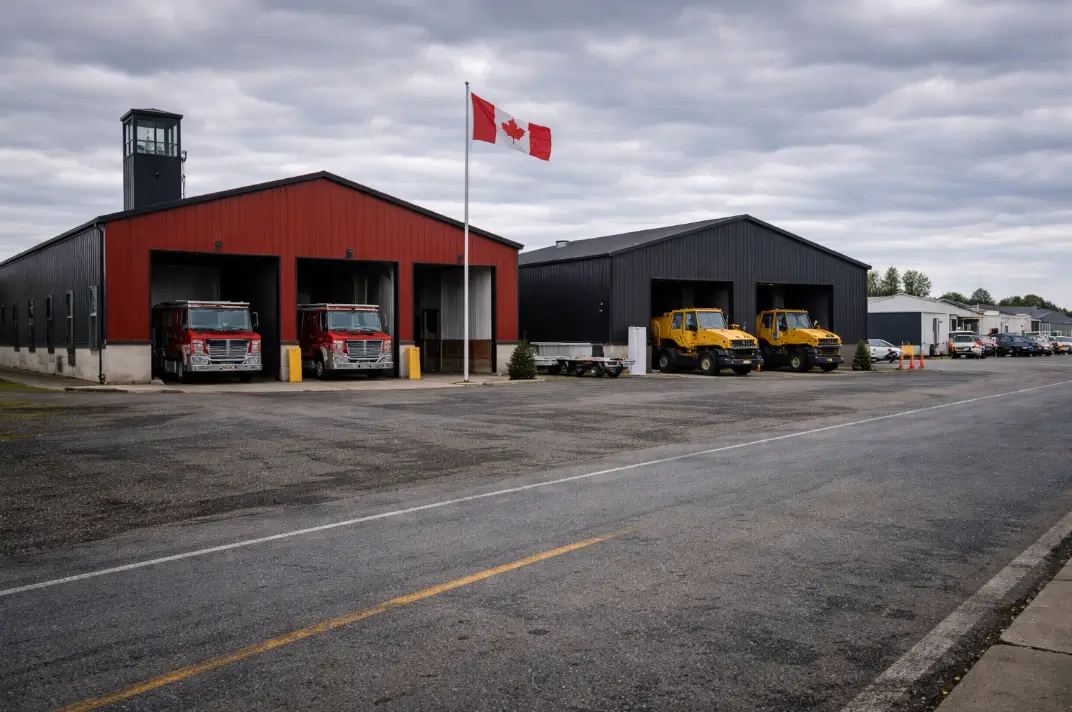
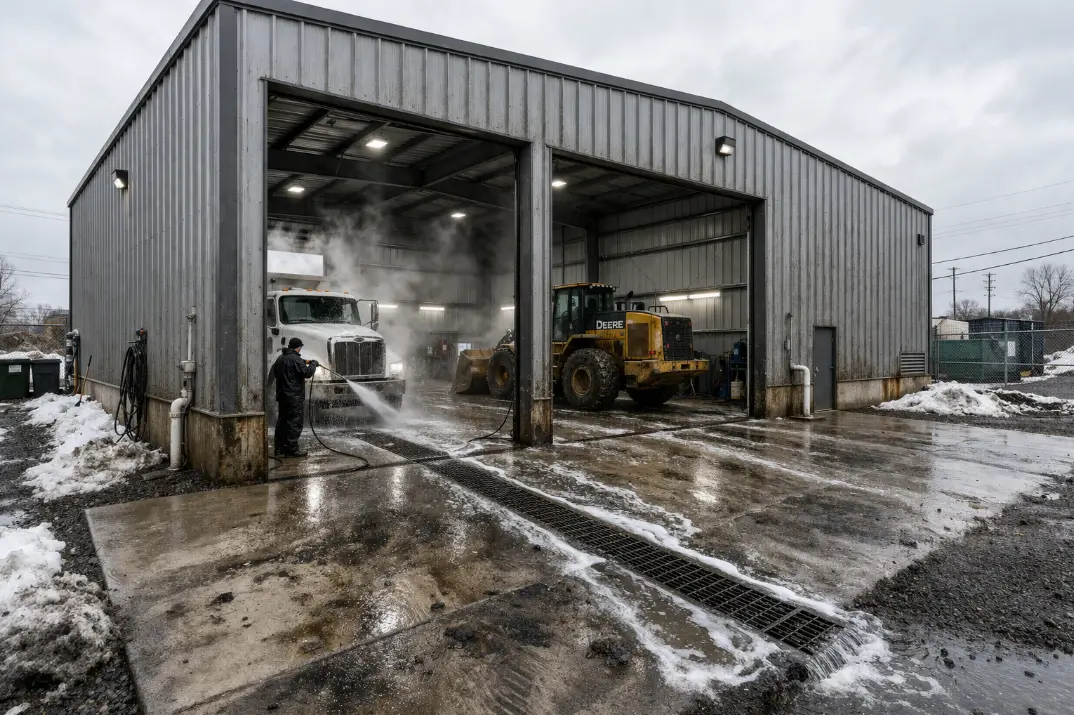
Engineered Right.
Built with Confidence.
A steel building should be planned around the actual property, intended use and project scope. Tower helps customers move forward with clearer engineering, documentation and expectations.
✓ Project-Specific Engineering
Building configuration is planned around location, use, dimensions, openings and structural requirements.
✓ Printed Structural & Foundation Drawings
Clear project documentation helps support coordination, permitting and construction planning.
✓ Flexible Project Scope
Customers can purchase the steel building package or add delivery, foundation, erection or other services where available.
✓ Clear Quotation & Responsibilities
The approved quotation should clearly define included components, services, exclusions and project responsibilities.
Proudly Serving Canada from coast to coast
Steel building solutions planned for Canadian climate conditions and project requirements — with delivery coordination available.
A Complete Steel Building Partner
From early project planning through engineering, building supply and optional construction support, Tower can help coordinate the pieces required to move a steel building project forward.
01
Project Consultation
Define the site, intended use, approximate dimensions, openings, project timing and desired service scope.
02
Building Design & Engineering
Coordinate the approved steel building configuration and project-specific structural engineering.
03
Steel Building Supply
Manufactured steel building components are prepared according to the confirmed quotation and design.
04
Foundation Design
Foundation drawings are coordinated with the confirmed building configuration and stated design basis.
05
Permit Documentation Support
Structural and foundation documentation can support the permit process, while final requirements remain project-specific.
06
Foundation & Erection Options
Additional services may be available depending on location, site conditions, contractor availability and schedule.
Steel Building FAQs
Still have a project-specific question?
The fastest answer is often a project-specific quote request.
1. Are Tower Steel Buildings Manufactured Under CSA A660 Certification?
Yes. Tower supplies steel building systems manufactured by a company certified to CSA A660 for the applicable steel building system scope.
CSA A660 establishes quality-assurance requirements for steel building system manufacturers, including engineering procedures, personnel, material control, fabrication, documentation, packaging, shipping and erection information.
CSA A660 certification does not replace project-specific engineering, foundation coordination, development approval, building permits, trade permits or other requirements that may apply to the property.
The certified manufacturer and applicable building-system scope should be identified accurately in the final project documentation.
2. What Types of Steel Buildings Does Tower Provide?
Tower provides steel buildings for commercial facilities, industrial operations, warehouses, workshops, truck and fleet garages, farm and equipment storage, aircraft hangars, private garages, riding arenas, cold-storage facilities, mining operations and other custom applications.
The building should be planned around its actual use. Vehicle clearances, equipment, storage height, loading requirements, public access, heating, offices, washrooms, cranes, mezzanines and mechanical systems can affect the framing, foundation, permits and price.
Defining these requirements before engineering begins helps prevent later changes to openings, structural reactions, foundations and project documents.
3. Can I Purchase the Steel Building Without Foundation Installation or Erection Services?
Yes. Tower’s primary offering is the engineered steel building and the components and documentation identified in the quotation.
Customers are not required to purchase foundation installation, erection or turnkey construction with every project. These additional services may be available separately depending on the location, building type, site conditions, contractor availability and schedule.
The quotation should identify whether Tower is supplying the steel building only or coordinating delivery, foundation work, erection or broader construction services. Work that is not identified in the confirmed project scope should not be assumed to be included.
4. Are Printed Structural and Foundation Drawings Included?
Yes. Tower provides printed structural and foundation drawings for the confirmed steel building and stated project scope.
The structural drawings may identify the building geometry, framing system, structural design criteria, reactions, column locations, base plates and anchor information. The foundation drawings communicate the concrete design requirements associated with the confirmed building and stated design basis.
Site-specific soil conditions, groundwater, grading, drainage, elevations or geotechnical recommendations may require additional information or drawing revisions.
A complete permit application may also require site, architectural, fire-safety, accessibility, energy, mechanical, electrical or plumbing documentation.
5. Are Tower Steel Buildings Engineered for Local Snow, Wind and Other Structural Loads?
Yes. Tower steel buildings are engineered using the confirmed project location, intended use, importance category, dimensions, openings and applicable structural design criteria.
Depending on the building, the engineering may address snow, wind, rain, snow drifting, seismic effects, collateral loads, mezzanines, cranes, solar equipment and other specified loads.
A building should be designed for its actual property and operation rather than for a broad Canadian region.
The responsible municipal or provincial authority makes the final permit decision, and the foundation must remain coordinated with the current structural reactions and building configuration.
6. Do I Need a Permit, and What Permit Support Does Tower Provide?
Most permanent steel building projects in Canada require a building permit, development approval or both.
Requirements depend on the province, municipality, property, intended use, building size, setbacks, access, servicing and site conditions. Separate approvals may also apply to driveways, culverts, wetlands, septic systems, plumbing, electrical work, fuel systems or regulated equipment.
Tower provides printed structural and foundation drawings and related steel-building-system information within the confirmed project scope. These documents can support the permit application, but they do not guarantee approval.
The permit authority may also require site plans, architectural information, energy documents, servicing details and other professional designs. The complete submission requirements should be confirmed with the responsible authority.
7. What Warranty Applies to a Tower Steel Building?
Warranty coverage depends on the structural components, roof and wall panels, paint or coating system, accessories, installation scope and project agreement.
Selected panel finishes may include a 40-year paint and colour warranty. Structural components, accessories, coatings and construction services may have different coverage periods, maintenance requirements, exclusions and claim procedures.
The quotation and applicable warranty documents should identify the exact coverage provided for the selected building, including the owner’s maintenance, installation and claim responsibilities.