How Much Does a 40×60 Steel Building Cost in Ontario?
A 40×60 steel building provides 2,400 square feet of floor area. Based on the planning ranges used in this guide, the engineered steel building package may be approximately $48,000 to $84,000, while a complete project can reach approximately $130,000 to $250,000+ after foundation work, site preparation, erection, insulation, permits and other project requirements are included.
These figures are planning ranges, not fixed quotations. Building use, height, project location, structural loads, openings, site conditions and construction scope can materially change the final cost.
If you are comparing the engineered structure itself, review our steel building kits in Ontario & Canada. For a project-specific number, request a steel building quote using your location, intended use and approximate dimensions.
What Does a 40×60 Steel Building Kit Include?
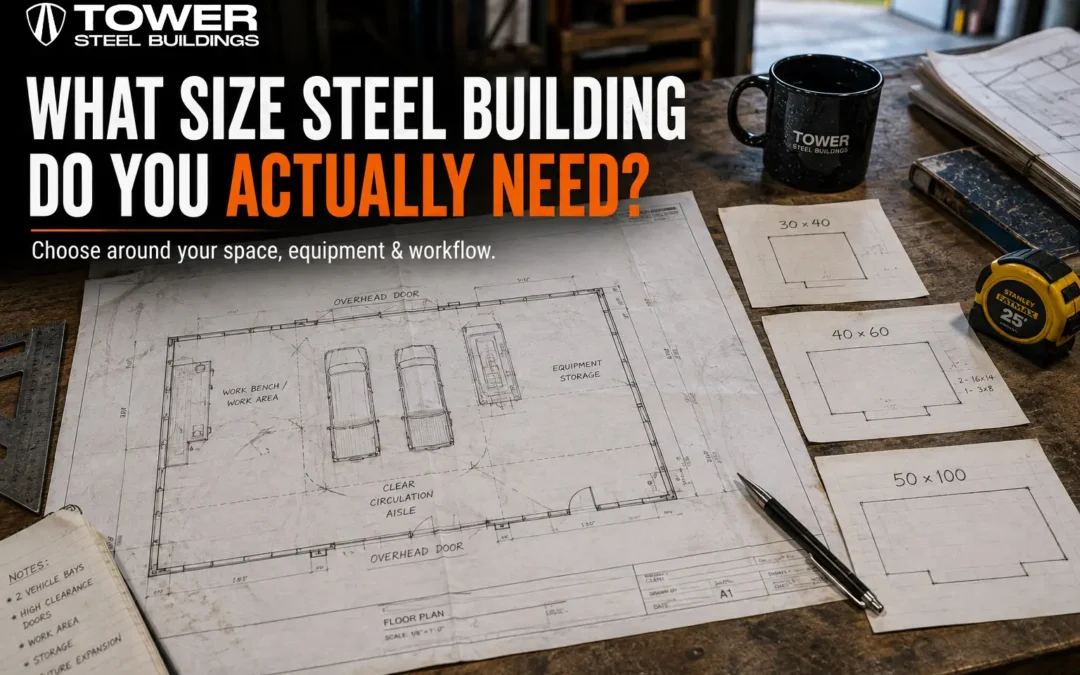
A 40×60 building is 2,400 square feet.
At a basic level, the building system includes:
- primary steel frames
- secondary members (purlins and girts)
- roof and wall panels
- fasteners and basic components
Definition for clarity:
When a supplier quotes a 40×60 steel building kit or engineered building package, the price commonly refers to the prefabricated structural system rather than the entire completed project. Foundation, installation, permits, site work and interior systems should be confirmed separately unless the quotation states they are included.
For more information about package options and common building sizes, see our steel building kits page.
This is where confusion starts.
Structural performance and material standards are also defined by the Canadian Standards Association (CSA).
40×60 Steel Building Kit Cost
For a typical steel building package:
- $20 to $35 per sq ft (building kit only)
- Total: $48,000 to $84,000
This range depends on:
- design loads
- building height
- panel type
- basic openings
This is not your total project cost.
Total cost behaviour aligns with steel building cost per sq ft in Canada where site conditions, loads, and scope determine real pricing.
It is your starting point.
Why Prices Vary So Much
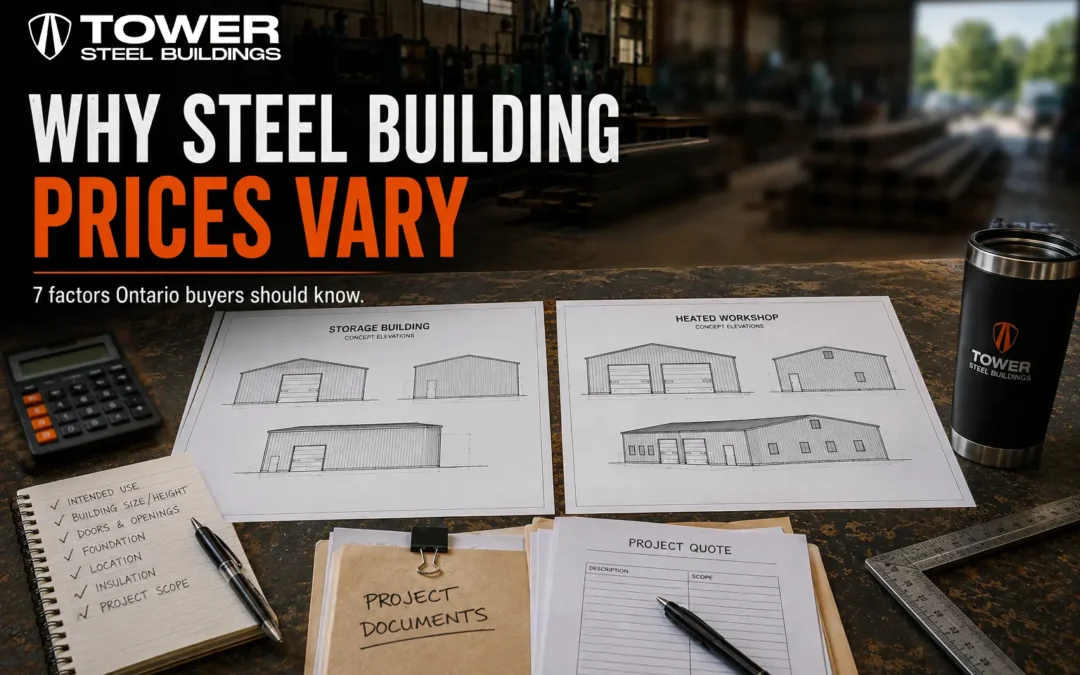
Two buildings can be the same size and cost very different amounts.
Because pricing is not based on size alone.
It is based on:
- structural loads
- site conditions
- usage requirements
A workshop in southern Ontario and a storage building in northern regions will not cost the same.
Even if both are 40×60.
The Biggest Cost Driver: Structural Loads
Steel buildings are designed for:
- snow load
- wind load
- seismic conditions
Structural load requirements are based on frameworks developed through the Codes Canada program administered by the National Research Council.
Higher loads require:
- heavier frames
- stronger connections
- more steel
Example:
- low snow load area → lighter structure
- high snow load area → heavier frame
This can increase cost by 15% to 40% or more.
Regional load requirements are detailed in steel building snow load zones in Canada where environmental conditions significantly affect structural weight and cost.
Building Height Changes Everything
A 40×60 building at 12 ft height is very different from one at 18 ft.
Higher buildings require:
- stronger frames
- additional bracing
- increased material
Even a few feet in height can significantly impact cost.
Openings and Customization Add Up Quickly
Doors and openings are often underestimated.
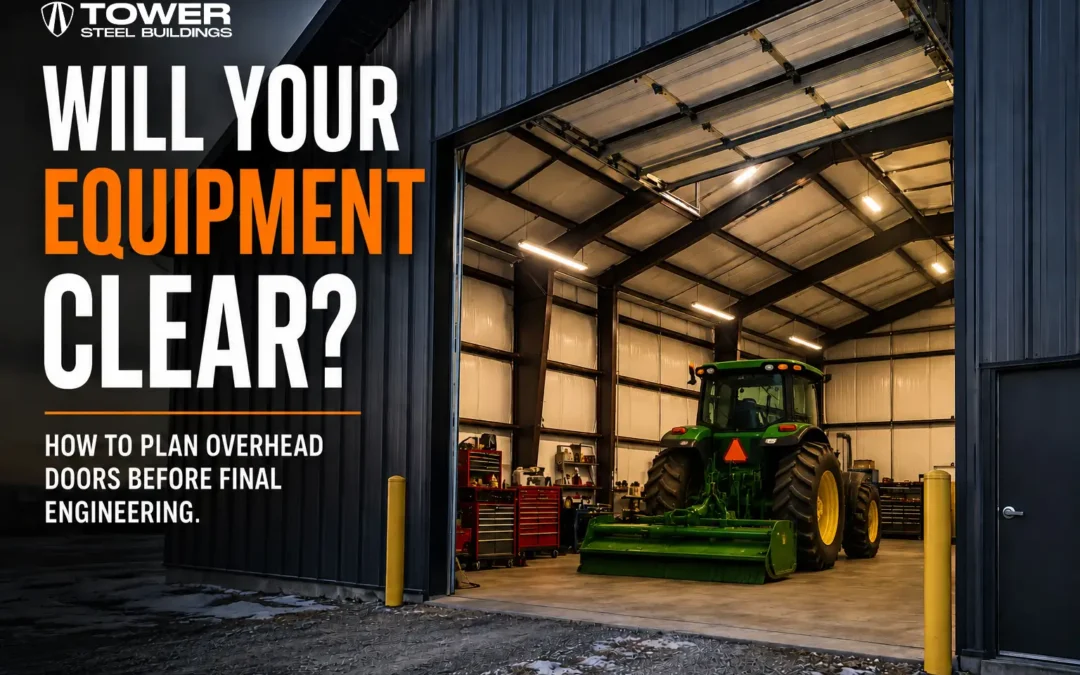
Large overhead doors require:
- structural reinforcement
- header design adjustments
- load redistribution
Typical costs:
- standard man door: $500 to $1,500
- overhead door: $3,000 to $10,000+
Multiple openings increase both material and engineering cost.
Foundation Cost Is Often Higher Than Expected
This is where many budgets break.
Foundation cost depends on foundation engineering where soil conditions, frost depth, and load transfer define structural and financial outcomes.
Typical foundation costs:
- $12 to $20 per sq ft
- Total: $30,000 to $50,000+
Costs depend on:
- soil conditions
- frost depth
- drainage requirements
Poor soil or deeper frost increases cost significantly.
Site Work Is a Major Hidden Cost
Before construction begins, the site must be prepared.
These costs are closely tied to steel building site preparation where grading, drainage, and access conditions directly affect construction cost.
This includes:
- excavation
- grading
- compaction
- drainage
Typical site work costs:
- $10,000 to $40,000+
If the site is uneven or has poor drainage, costs increase.
These conditions are common in custom steel buildings for unique site constraints where site limitations directly affect structural design and cost.
Installation Costs Are Not Fixed
Installation depends on:
- building complexity
- height
- crew availability
Typical range:
- $10 to $20 per sq ft
- Total: $24,000 to $48,000
Improper installation increases long-term risk.
Insulation and Interior Finishing
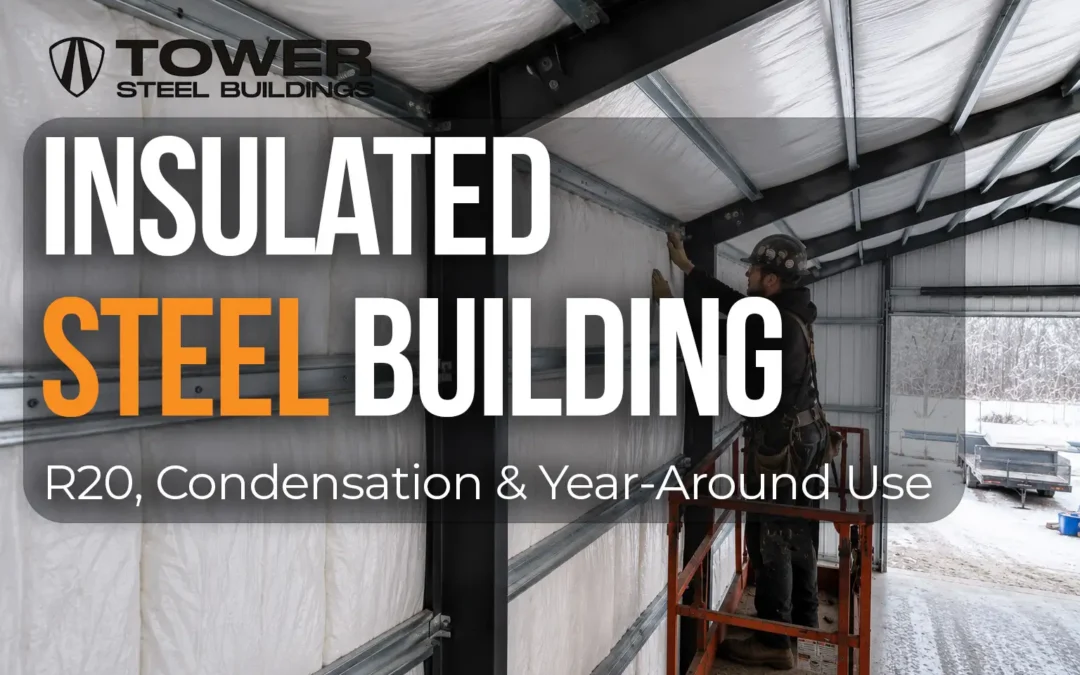
If the building is heated or used regularly, insulation is required.
Typical costs:
- basic insulation: $5 to $10 per sq ft
- upgraded systems: higher
Interior finishing can add:
- drywall
- electrical
- heating systems
These are not included in basic building quotes.
Permit and Engineering Costs
Permits and engineering are often underestimated.
Typical costs:
- engineering drawings: $2,000 to $8,000
- permit fees: $2,000 to $10,000+
Delays or revisions increase these costs.
Real Total Project Cost
When all components are included:
- building kit: $48,000 to $84,000
- foundation: $30,000 to $50,000+
- site work: $10,000 to $40,000+
- installation: $24,000 to $48,000
- insulation and finishing: $15,000 to $50,000+
- permits and engineering: $5,000 to $15,000
Typical total:
$130,000 to $250,000+
This is the real range most buyers experience.
Where Most People Underestimate Cost
Common mistakes:
- assuming building kit is total cost
- ignoring site conditions
- not accounting for load requirements
- underestimating foundation complexity
These lead to budget overruns.
Cost Escalation Over Time
Costs increase if decisions are delayed.
Example timeline:
Initial quote
budget looks acceptable
Design changes
cost increases
permit revisions
timeline shifts
construction delay
material costs increase
Small delays create large cost increases.
When Cost Becomes a Problem
Cost issues become serious when:
- multiple changes are required
- site conditions were not evaluated
- design is not aligned with budget
At this stage:
- redesign is required
- timeline increases
- cost increases significantly
How to Control Cost Effectively
Control comes from planning.
Key steps:
- confirm site conditions early
- design for actual usage
- align structure with local loads
- coordinate engineering and construction
The goal is not the lowest quote.
It is the most accurate total cost.
Final Perspective: 40×60 Steel Building Cost
A 40×60 steel building does not have one fixed price. The engineered package, foundation, site work, erection, insulation, permits and interior requirements all contribute to the final project budget.
If you are still comparing the structural package, review our steel building kits in Ontario & Canada. When you are ready for project-specific pricing, request a quote using the actual project location, intended use and approximate dimensions.
The most useful comparison is not the lowest initial package number. It is a quotation with clearly defined scope, inclusions and exclusions.
Reviewed by Engineering Team
This content has been reviewed by the Tower Steel Buildings Engineering Team based on real project pricing, construction costs, and budgeting challenges across multiple steel building projects. The insights reflect actual cost variations, site conditions, and decision impacts observed in real-world builds.
1. What is the real cost of a 40x60 steel building in Canada?
A 40x60 steel building typically costs:
- building kit: $48,000 to $84,000
- total project: $130,000 to $250,000+
Reality: The kit is only 25% to 40% of the total project cost.
2. Why is the building kit price so much lower than the total project cost?
Because the kit does not include:
- foundation
- site work
- installation
- permits
- insulation and finishing
Reality: Most cost overruns happen after the building is purchased.
3. Why can two 40x60 buildings have very different foundation costs?
Because foundation design depends on:
- soil bearing capacity
- frost depth
- drainage conditions
- building use (heated vs unheated)
Typical range:
- simple slab: $30,000
- complex foundation: $50,000+
Diagnostic rule: If soil and frost are not clearly defined, expect higher foundation cost.
4. Is a heated 40x60 building more expensive than an unheated one?
Yes, significantly.
A heated building requires:
- insulated slab or perimeter treatment
- full building envelope system
- moisture and condensation control
Cost impact: 15% to 35% higher than an unheated structure.
5. How does location affect the cost of a 40x60 building?
Costs vary due to:
- snow load requirements
- wind exposure
- frost depth
- municipal permit complexity
- logistics and delivery
Example:
- northern regions → heavier structure + deeper foundation
- urban areas → higher permit and servicing cost
6. How much does site work really impact total cost?
Site work can range from:
- $10,000 for simple sites
- $40,000+ for complex conditions
Factors include:
- grading and leveling
- imported fill
- drainage control
- site access for construction
Reality: Site work is one of the most unpredictable cost drivers.
7. How do permits affect the cost of a 40x60 building?
Permits impact cost through:
- fees ($2,000 to $10,000+)
- required design changes
- revision cycles
Consequence: Delays can increase total project cost more than permit fees themselves.
8. How can I get an accurate total cost before starting?
You need:
- confirmed site conditions
- defined building use
- location-specific load design
- coordinated foundation and structure
Decision rule: If any of these are missing, your estimate is incomplete.