Building a steel structure in Ontario is a smart investment, but managing costs is equally important. Whether you’re planning a commercial warehouse, farm building, or a residential workshop, there are proven ways to stretch your budget without cutting corners on quality.
With over 25 years of experience in design, engineering, and fabrication, Tower Steel Buildings has helped thousands of Ontarians plan affordable and high-performing steel building projects. This guide explains how you can reduce costs through better planning, smart customization, and working with the right local manufacturer.
Start with a Realistic Budget Plan
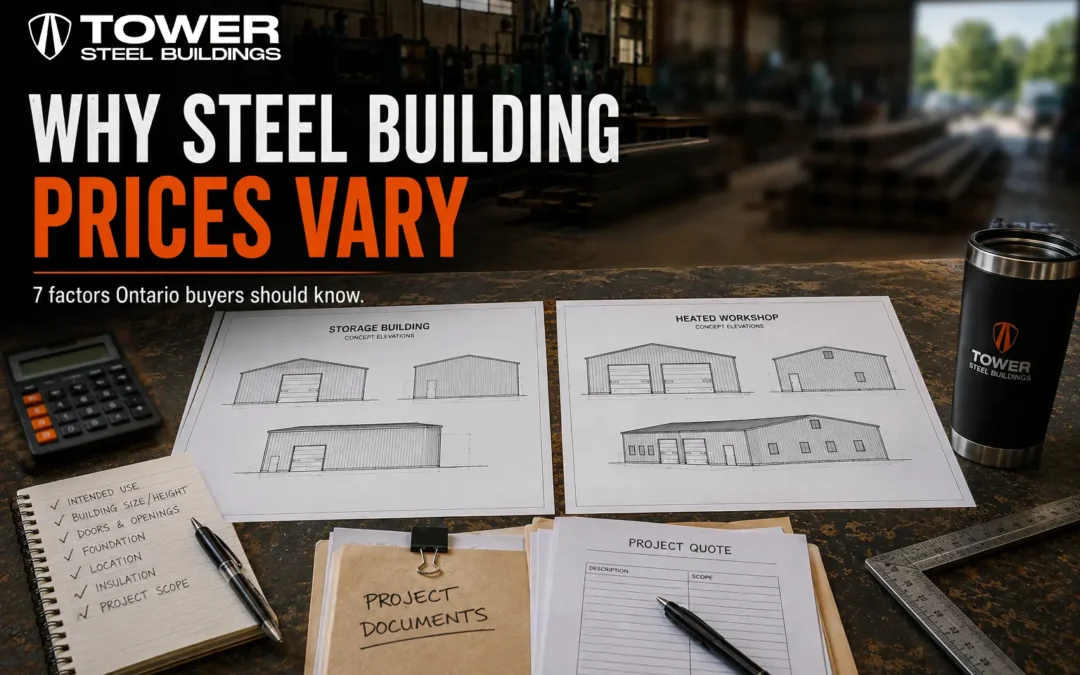
The most effective way to save money begins long before construction starts. A clear, itemized budget helps you identify potential savings and avoid surprises later.
Break Down the Project Cost
Your total cost generally includes:
- Design and engineering: Drawings, load calculations, and permits.
- Materials and fabrication: The steel frame, panels, insulation, and accessories.
- Foundation and site work: Excavation, grading, and concrete preparation.
- Delivery and erection: Transport, labour, and installation.
Having these categories separated makes it easier to negotiate pricing and track expenses during the project.
Ask for Transparent Quotes
When reviewing a steel building quote in Ontario, ensure every cost is clearly listed. Reputable manufacturers like Tower Steel provide detailed, line-by-line quotes that eliminate hidden fees and clarify inclusions such as insulation, trim, and fasteners.
Choose Pre-Engineered Steel Systems
Pre-engineered steel buildings (PEBs) offer significant cost advantages because they are designed, fabricated, and cut to exact specifications before they reach your site.
Key benefits:
- Lower labour costs: Factory precision reduces on-site errors.
- Shorter timelines: Faster assembly means lower project management and labour expenses.
- Less waste: All materials are pre-measured, minimizing unused steel.
PEBs combine quality and efficiency. For example, a 6,000-square-foot workshop built by Tower Steel in London was completed two months faster than a comparable wood structure-saving nearly 15% in labour and overhead.
Optimize the Size and Layout
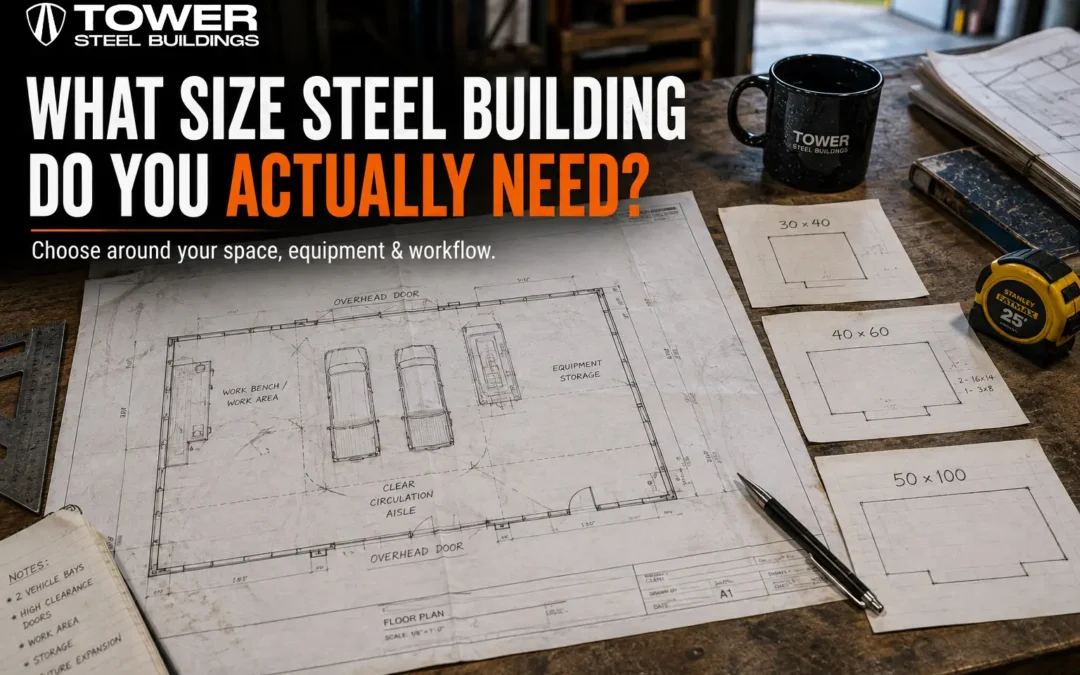
Every extra square foot adds to your material and foundation costs. A slightly smaller or more efficient layout can result in major savings.
Right-Size the Building
Consider how the space will be used over the next 10–15 years, not just today. Oversizing often leads to unnecessary construction and heating costs. Tower Steel’s design team helps clients right-size projects based on real usage patterns.
Simplify the Shape
Simple rectangular or clear-span structures are cheaper to design and build. Complex rooflines, multiple mezzanines, and custom angles increase engineering and fabrication time.
Compare Foundation Options
Foundation work can account for 15–25% of your total cost. Choosing the right type of foundation for your site conditions can lead to substantial savings.
Common types:
- Slab-on-grade: Ideal for garages, workshops, and warehouses.
- Pier foundation: Suitable for uneven terrain or lighter buildings.
- Perimeter footing: Used when frost depth or zoning requires deeper support.
Tower Steel’s engineering team evaluates soil conditions, drainage, and load requirements before recommending the most cost-effective foundation option.
Plan for Efficient Site Preparation
Many projects go over budget because of poor site prep planning.
To control costs:
- Select a level, accessible site to minimize grading.
- Ensure good soil stability to reduce excavation.
- Prepare access roads early for delivery trucks.
Tower Steel provides site prep checklists and foundation drawings that help clients coordinate contractors efficiently-reducing time and rework.
Choose Local Manufacturing and Suppliers
Working with Ontario-based suppliers can save thousands in freight and logistics. Imported kits may appear cheaper initially but often carry higher shipping, customs, and modification costs.
Local production advantages:
- Lower transportation fees.
- Faster turnaround times.
- Easier coordination with engineers and fabricators.
- Compliance with Ontario Building Code (OBC).
Because Tower Steel manufactures locally, clients get reliable lead times and direct communication with the production team-something not possible with offshore suppliers.
Select Standard Sizes and Components
Customization adds value, but standard components can save you money without affecting quality.
For example:
- Opt for standard-width bays (20–25 feet).
- Use regular roof pitches (1:12 or 2:12).
- Select standard wall panels and door openings.
These small design decisions can reduce engineering complexity and shorten fabrication time.
Take Advantage of Off-Season Construction
Ontario’s construction industry tends to slow during late fall and winter, making it a great time to start a project.
Manufacturers often offer discounts or faster scheduling during these months.
If your foundation is ready before winter, the steel building can be assembled quickly-even in cold weather. Tower Steel’s crews regularly erect buildings year-round using pre-engineered components that fit with minimal on-site adjustment.
Invest in Energy-Efficient Upgrades
Spending slightly more on insulation and ventilation during construction will lower operational costs for years.
Consider:
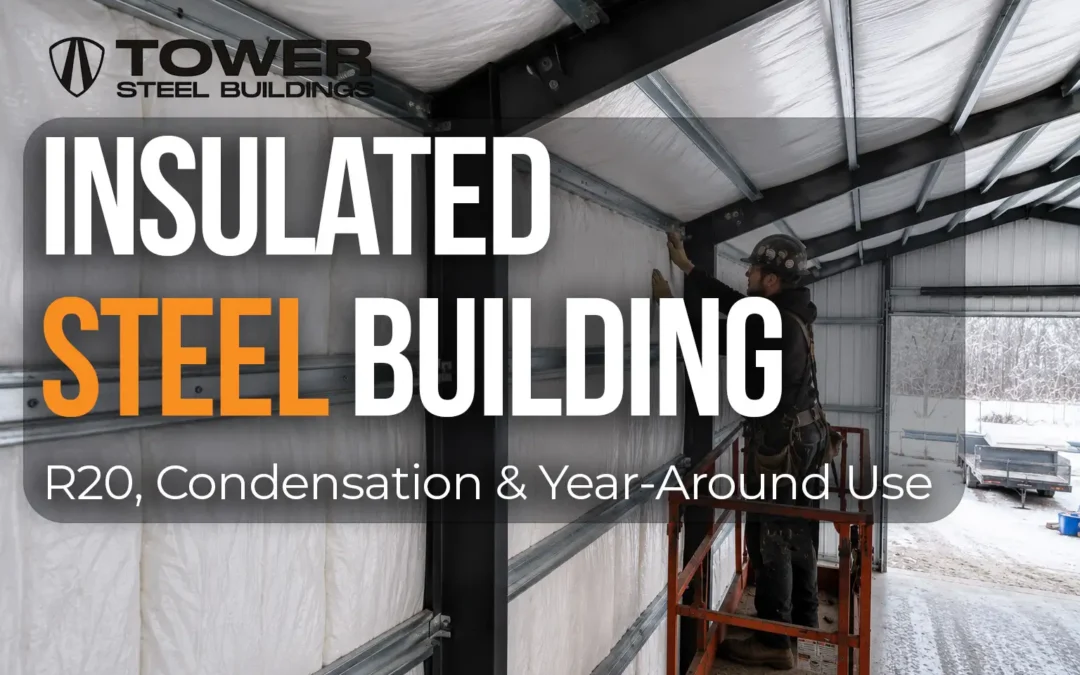
- Insulated metal panels that maintain consistent indoor temperatures.
- Reflective roofing that reduces summer heat absorption.
- Proper vapor barriers to prevent condensation and heat loss.
These systems often pay for themselves within two to five years through reduced energy bills. Tower Steel’s design specialists can recommend insulation packages based on your location and building use.
Limit Change Orders
Frequent design changes or scope revisions can increase costs quickly. Finalize your drawings, dimensions, and accessories before fabrication begins.
Once production starts, even small modifications-such as door placement or roof slope-can require re-engineering or additional material costs.
By finalizing your plan early, you help ensure your building stays on schedule and within budget.
Manage Labour and Installation Wisely
If you have a reliable construction crew, partial self-assembly can save thousands. Tower Steel provides detailed erection drawings that make it easier for certified contractors or experienced builders to handle installation efficiently.
For larger commercial projects, professional erection crews are recommended for safety and precision, but coordinating them through your manufacturer helps reduce third-party costs.
Compare Long-Term Ownership Costs
The cheapest quote is not always the most cost-effective. A lower-quality structure can lead to:
- Frequent maintenance.
- Energy inefficiency.
- Premature repairs or replacement.
Pre-engineered steel buildings are designed for decades of service life. Their low maintenance and durability result in lower lifetime ownership costs compared to wood or concrete.
Use Tax Incentives and Financing Options
Some municipalities and provinces offer tax deductions or accelerated depreciation for commercial or energy-efficient structures.
Tower Steel can help you explore these opportunities, particularly for agricultural and light-industrial projects that qualify for eco-efficiency rebates.
Additionally, consider staged financing-paying for each milestone (design, fabrication, erection) rather than a lump sum-to maintain cash flow flexibility.
Bundle Services for Better Value
Choosing one provider for design, engineering, fabrication, and delivery saves money compared to hiring separate contractors. Tower Steel’s turnkey approach eliminates middlemen, reduces coordination delays, and ensures accountability at every step.
Bundled service advantages:
- Single-point project management.
- Consistent communication.
- Lower overall markup.
- Faster project completion.
Reuse and Repurpose Where Possible
Steel is recyclable, and many existing building components can be reused.
When expanding or renovating:
- Reuse concrete slabs or piers when structurally sound.
- Integrate existing electrical or HVAC systems.
- Salvage accessories like doors and windows if they meet current codes.
Tower Steel can evaluate the condition of existing materials and design compatible systems for upgrades or extensions.
Work with an Experienced Ontario Manufacturer
Expert guidance prevents costly mistakes. Tower Steel’s in-house engineers, designers, and project coordinators review every aspect of your plan-from zoning and loads to delivery scheduling-to make sure nothing is overlooked.
This proactive approach protects clients from delays, redesigns, and unexpected expenses that can arise when working with multiple vendors.
Think Long-Term: Value Over Price
A smart budget doesn’t mean choosing the cheapest option; it means maximizing value.
Steel buildings are long-term assets that provide measurable returns when designed and maintained properly.
Long-term savings come from:
- Lower insurance premiums due to fire resistance.
- Minimal upkeep over 40+ years.
- Strong resale value thanks to durability.
Tower Steel’s transparent pricing ensures you pay only for what you need while still receiving top-tier materials and support.
Reviewed by the Tower Steel Buildings Engineering Team
This article was reviewed by the Tower Steel Buildings Engineering Team to ensure all cost estimates, technical insights, and Ontario-specific details are accurate and reliable.
How can I get the most accurate steel building quote in Ontario?
Provide a clear scope with your intended use, size, and preferred finishes. Tower Steel offers free, detailed quotes that include every inclusion for transparency.
Is buying a pre-engineered kit cheaper than traditional construction?
Yes. PEB systems reduce labour, time, and waste-making them up to 30% more affordable than wood or concrete builds.
Can I finance a steel building project in Ontario?
Many financial institutions and leasing companies provide construction or equipment financing for commercial and farm projects. Tower Steel can connect you with trusted partners.
What factors affect overall pricing the most?
Building size, insulation level, site preparation, and snow/wind load requirements are the main variables that influence cost.