Across Ontario, builders and property owners are moving away from traditional wood framing toward steel structures. The shift isn’t about fashion or trend-it’s about performance, safety, and longevity.
When designed and manufactured correctly, steel buildings in Ontario outperform wood structures in every critical category: strength, fire safety, sustainability, and long-term value.
This article breaks down the differences between steel and wood buildings from the perspective of engineering, durability, and climate performance-showing why Tower Steel Buildings continues to be a trusted name for both commercial and residential steel construction across Ontario.
Strength and Structural Integrity
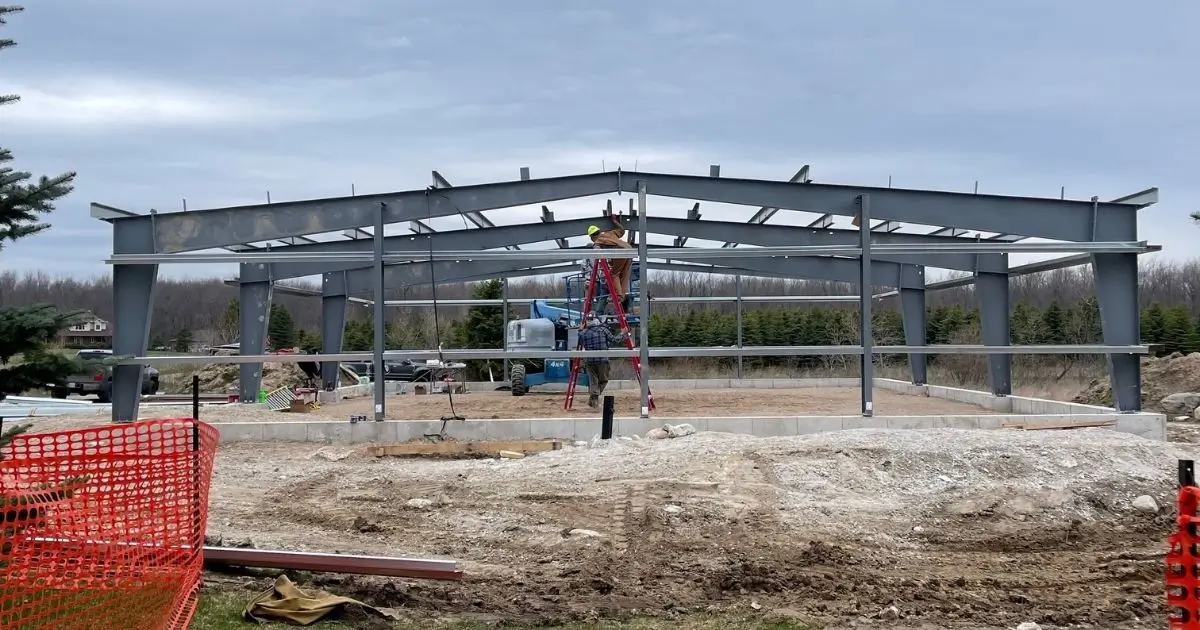
The first and most obvious difference between steel and wood construction is strength. Structural steel has a much higher load-bearing capacity, allowing it to span larger distances without the need for interior supports.
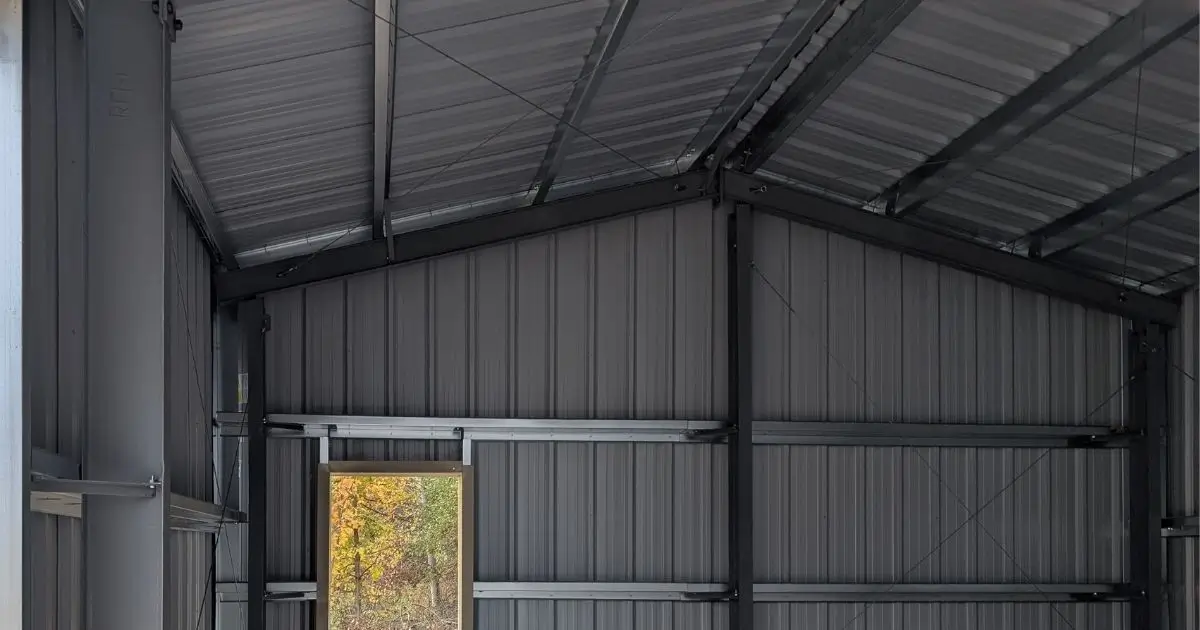
In practical terms, this means you can design open-concept spaces-warehouses, workshops, or garages-without worrying about columns getting in the way. Steel maintains its shape under pressure, resists warping, and does not rot over time.
Wood, on the other hand, is organic. It swells, shrinks, and cracks when exposed to moisture and temperature changes-conditions Ontario experiences throughout the year. Even treated lumber cannot match the consistency and dimensional stability of fabricated steel.
Tower Steel Buildings engineers each structure for Ontario’s specific snow and wind loads, ensuring safety and longevity under even the harshest winter conditions.
Fire Resistance and Safety
In any risk assessment, steel far exceeds wood for fire resistance. A steel building is non-combustible-it will not ignite, fuel a fire, or emit toxic smoke.
Wood structures are combustible by nature. Even with fire-retardant coatings, they remain vulnerable to ignition from electrical faults, sparks, or nearby fires. In Ontario’s industrial and commercial sectors, this difference is critical for insurance and code compliance.
Because of their fire-resistant properties, steel buildings often qualify for lower insurance premiums and fewer restrictions under fire-safety regulations. Tower Steel designs every building to meet the Ontario Building Code’s fire separation and safety requirements, offering peace of mind and long-term protection.
Resistance to Moisture, Rot, and Pests
Ontario’s climate challenges wood construction in ways that steel simply avoids. Wood absorbs moisture from snow, rain, and humidity, leading to decay and structural weakening over time. It also attracts termites, carpenter ants, and rodents-pests that can cause hidden damage and costly repairs.
Steel is immune to all of these issues. It does not rot, warp, or host insects. Galvanized coatings protect against corrosion, while modern paint systems add another layer of weatherproofing. This makes steel buildings Ontario’s top choice for agricultural, industrial, and residential uses where longevity and low maintenance are priorities.
Design Flexibility and Aesthetic Options
Modern steel construction is no longer limited to utilitarian warehouse boxes. Advances in computer-aided design (CAD) and precision fabrication now allow steel buildings to include architectural finishes, tall glass fronts, custom rooflines, and even decorative façades.
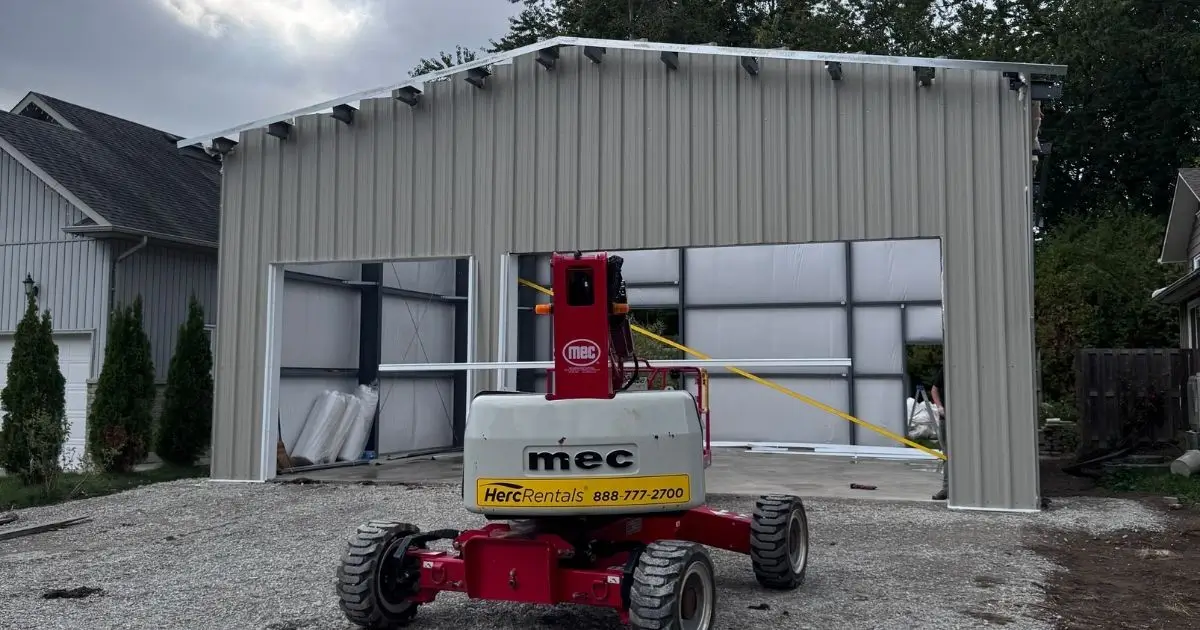
Whether it’s a commercial retail space in Kitchener or a custom garage in London, steel gives designers flexibility to mix function and style without sacrificing strength.
Wood structures, in contrast, require thicker framing to achieve similar spans, limiting design options and driving up labour costs. Steel’s flexibility allows owners to expand or reconfigure spaces more easily in the future-a key advantage for businesses planning long-term growth.
Sustainability and Environmental Benefits
One of the strongest arguments for sustainable steel in Ontario is recyclability. Structural steel is made from a high percentage of recycled content and can be recycled again at the end of its lifespan without degradation.
Wood is renewable but not always sustainable. Forest harvesting, transportation, and chemical treatments contribute to environmental impact. Meanwhile, steel fabrication processes have become cleaner and more energy-efficient, reducing waste through precision manufacturing.
Choosing a steel building from a local manufacturer like Tower Steel Buildings also reduces the carbon footprint associated with transportation and material sourcing, reinforcing Ontario’s goals for sustainable construction.
Cost Efficiency Over the Building’s Lifetime
The initial cost of wood construction can appear lower on paper, but the long-term maintenance, repair, and replacement costs tell a different story. Wood requires periodic treatment against rot and insects, and structural repairs are often needed after 10–15 years.
Steel buildings, however, maintain their integrity for decades with minimal upkeep. They resist corrosion, withstand heavy use, and require fewer repairs. Over time, steel’s lower maintenance and longer lifespan translate into significant cost savings.
When comparing total ownership costs-including insurance, energy efficiency, and maintenance-steel provides better financial performance for both homeowners and businesses.
Precision Engineering and Quality Control
Each Tower Steel building is engineered using digital modeling tools that calculate exact loads, member sizes, and connections. These precision methods eliminate guesswork and ensure consistent quality across every project.
In contrast, wood construction depends heavily on on-site labour skill and material condition. Lumber varies in strength, moisture content, and straightness, which can lead to inconsistencies during framing.
By manufacturing under controlled conditions, Tower Steel Buildings ensures dimensional accuracy and tight tolerances, improving both assembly speed and structural reliability.
Faster Construction and Lower Labour Costs
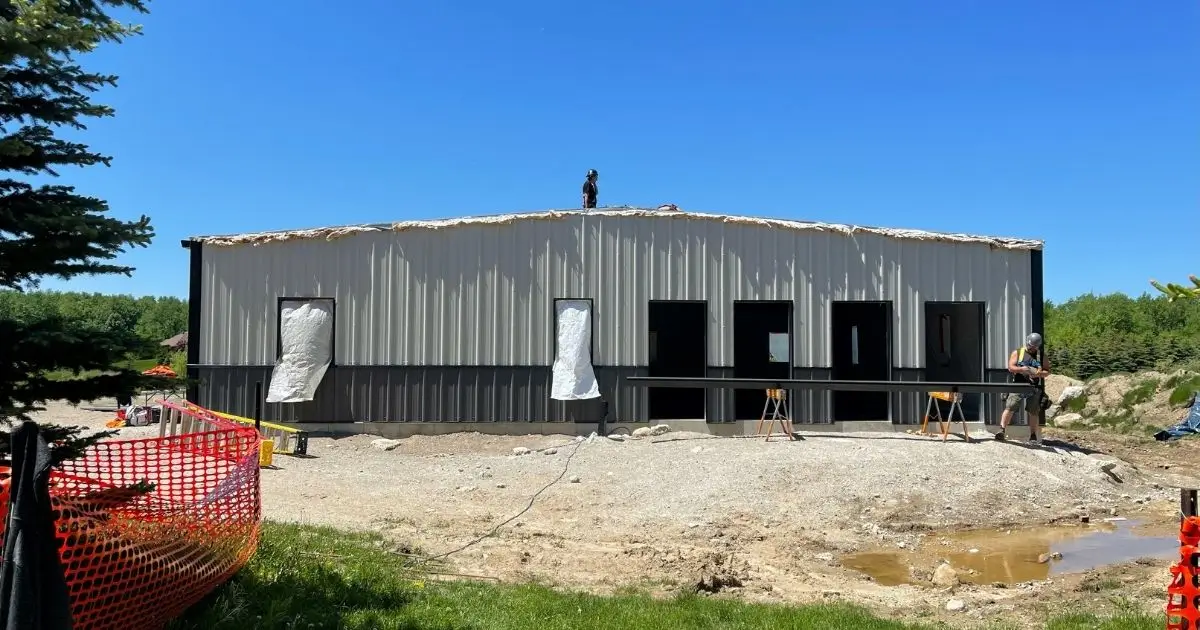
Time is money, and steel saves both. Prefabricated steel systems are designed for quick on-site assembly, reducing labour hours and construction waste. Once the foundation is ready, most medium-sized buildings can be erected in a matter of weeks.
Wood framing, by contrast, involves cutting, measuring, and fitting every component on site-slower, weather-dependent, and labour-intensive. With Ontario’s unpredictable seasons, faster builds reduce exposure to rain and freezing conditions that can delay projects and damage materials.
Energy Efficiency and Thermal Control
Modern steel buildings can achieve exceptional energy performance when designed correctly. Insulated metal panels and vapor barrier systems maintain consistent indoor temperatures, reducing heating and cooling costs year-round.
While wood is naturally insulating, it’s prone to gaps and air leakage as it expands and contracts with humidity changes. Steel construction, paired with continuous insulation systems, provides airtight envelopes that improve efficiency and comfort-especially important in Ontario’s cold winters and humid summers.
Fire, Storm, and Long-Term Durability in Real Conditions
Ontario weather brings challenges that test every structure: snow loads in the north, strong winds in coastal areas, and freeze-thaw cycles across the province. Steel stands up to all of them without cracking or shifting.
Wood, however, degrades under these same pressures. Moisture infiltration leads to expansion and contraction, loosening joints and reducing overall stability. Over 30 or 40 years, these differences become obvious-steel buildings remain straight and strong, while wood structures require frequent repair.
That durability translates to higher resale value, lower insurance costs, and better protection of assets.
The Tower Steel Buildings Advantage
Tower Steel Buildings is an Ontario-based manufacturer with a proven record of designing and fabricating custom steel buildings built for Canadian conditions. Every project is engineered in-house by experienced professionals who understand local codes and environmental factors.
Clients benefit from:
- Transparent, itemized quotes-no hidden charges or unrealistic online pricing
- Engineer-stamped drawings for building permit submission
- Custom design support for garages, workshops, warehouses, and commercial spaces
- Factory-direct pricing and in-province delivery
- Expert guidance through foundation and erection stages
By combining local engineering expertise with advanced design systems, Tower Steel delivers projects that outperform traditional wood structures on every metric.
Conclusion – Steel Is the Smarter Choice for Ontario
The debate between steel and wood buildings in Ontario isn’t new, but the conclusion is clear. Steel delivers unmatched strength, safety, and sustainability-qualities Ontario builders and homeowners can rely on for decades.
Wood has served well in the past, but rising material costs, maintenance challenges, and changing climate demands have made steel the superior choice for modern construction.
For long-term value, design flexibility, and proven reliability, steel buildings lead the way in Ontario’s future of construction-and Tower Steel Buildings continues to set the standard for quality and trust in this growing industry.
Reviewed by the Tower Steel Buildings Engineering Team
This article has been reviewed by the Tower Steel Buildings Engineering Team to ensure all technical details reflect Ontario’s current engineering standards and building code practices.