Pre-Engineered vs Traditional Construction in Ontario – Which One Saves More?
When planning a new garage, warehouse, or commercial space in Ontario, one of the biggest choices a property owner must make is between pre-engineered and traditional construction. Both methods can deliver functional buildings, but the differences in cost, speed, durability, and flexibility are significant.
For over two decades, Tower Steel Buildings has been helping Ontario clients make this decision with confidence. This article breaks down how pre-engineered buildings compare to conventional construction, showing where the real savings come from and why more Ontarians are switching to steel.
What Is a Pre-Engineered Building?
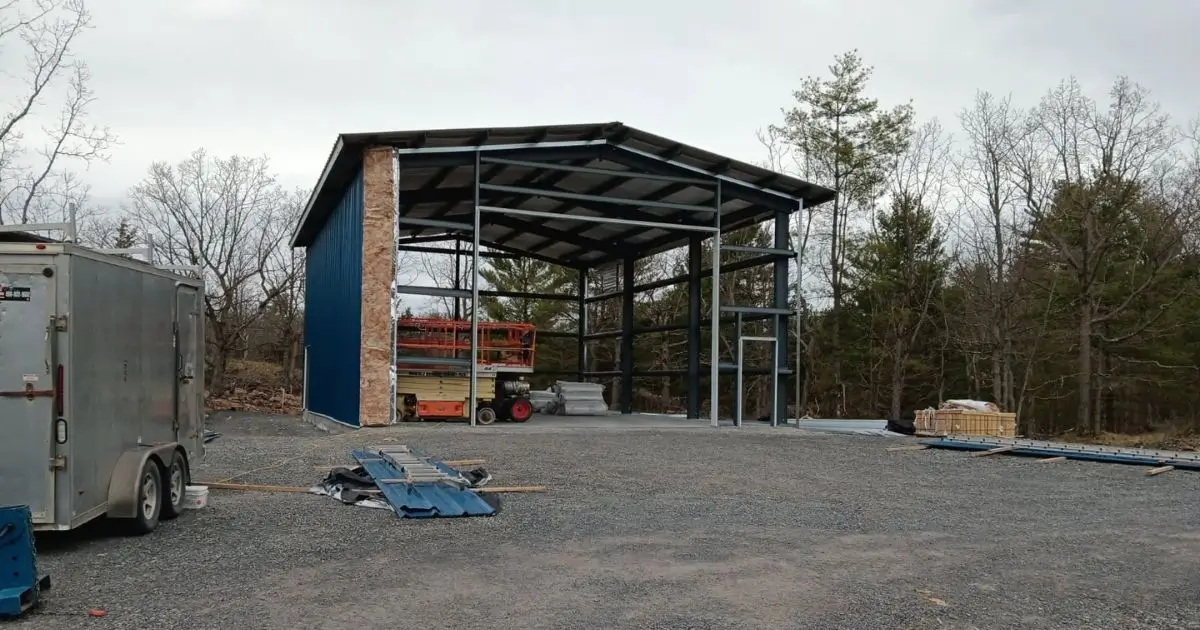
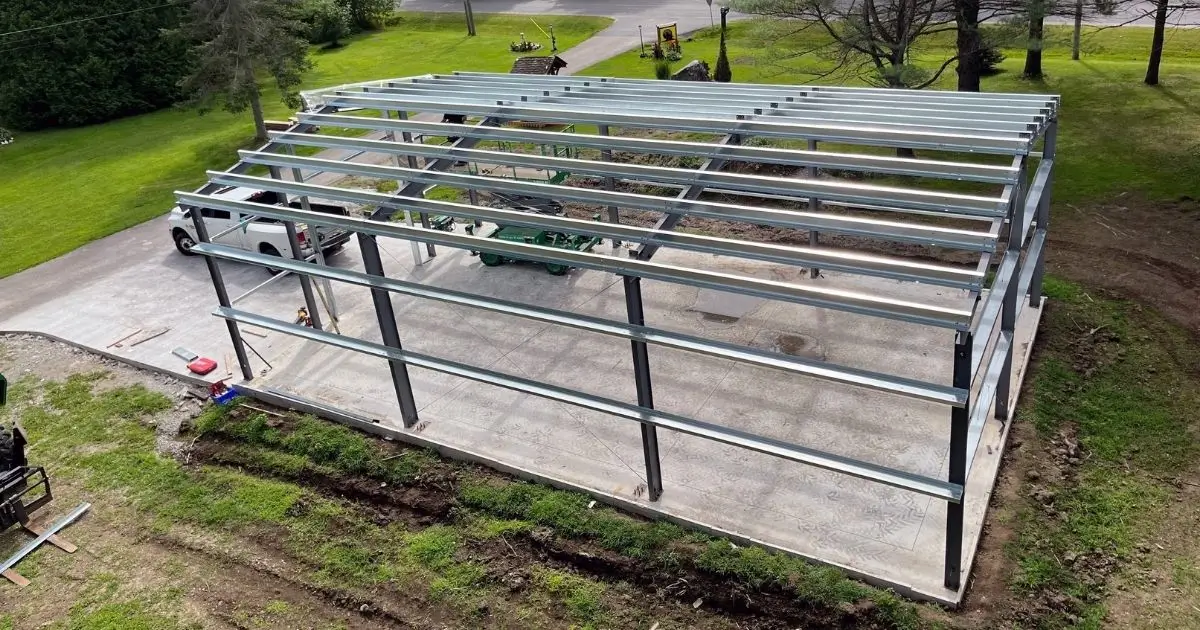
A pre-engineered building (PEB) is a complete steel structure designed and fabricated in a controlled factory environment. Every component-frames, beams, panels, and fasteners-is precision manufactured, shipped to site, and assembled like a custom kit.
Each building is engineered to meet Ontario Building Code (OBC) requirements for snow, wind, and seismic loads. The result is a structure that goes up faster, costs less to maintain, and lasts for decades.
Common applications across Ontario include:
- Garages and workshops
- Warehouses and logistics facilities
- Farm buildings and storage barns
- Commercial showrooms and retail spaces
- Industrial manufacturing plants
PEBs combine design efficiency with structural strength, offering unmatched performance in Ontario’s demanding climate.
What Is Traditional Construction?
Traditional construction refers to on-site fabrication using materials such as wood, brick, or concrete. It involves manual framing, longer curing times, and multiple subcontractors for each phase.
While traditional methods can work well for residential or heritage projects, they face challenges in Ontario due to:
- Long winters and short building seasons
- High labour costs
- Weather delays affecting materials and schedules
- Greater long-term maintenance requirements
Traditional construction remains popular for custom homes or masonry façades, but for larger commercial and industrial buildings, PEB systems have become the preferred option.
Comparing Costs in Ontario
When it comes to pricing, pre-engineered buildings consistently deliver lower cost per square foot.
| Type of Building | Average Cost (CAD per sq.ft.) | Includes |
| Pre-Engineered Steel | $25 – $55 | Design, materials, and engineering |
| Traditional Wood/Concrete | $70 – $120 | Labour-intensive, on-site construction |
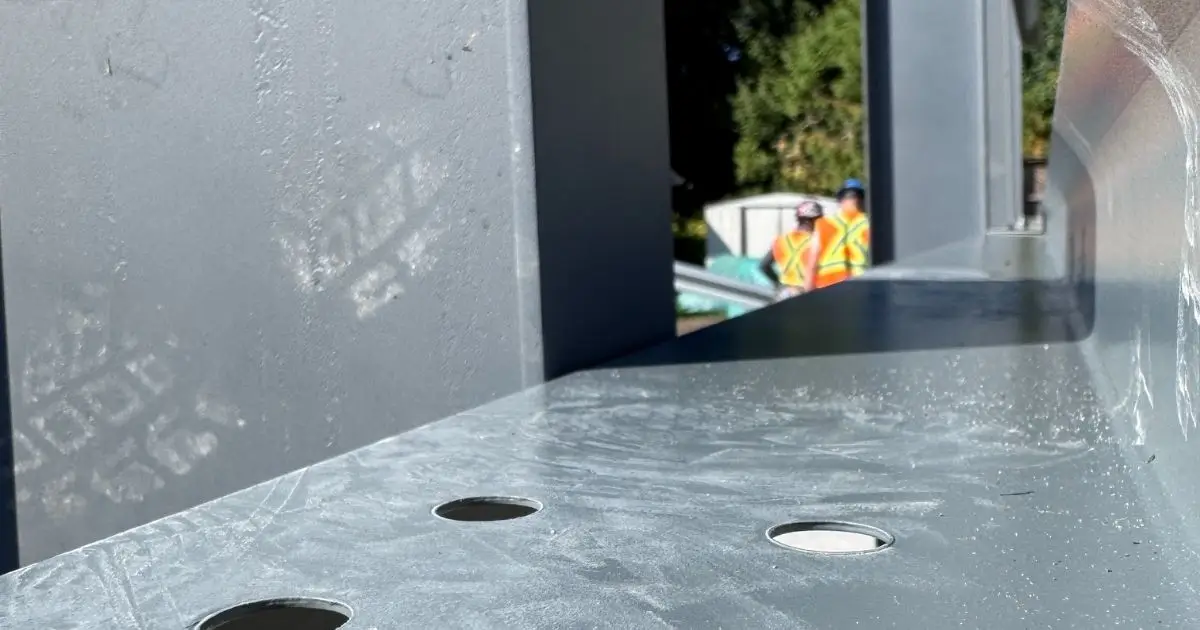
PEBs reduce both material waste and labour hours. Components are pre-cut and pre-drilled, minimizing errors and expensive rework. Traditional builds require more skilled labour on-site, where unpredictable weather can easily extend schedules and budgets.
In short, pre-engineered systems give Ontario buyers 20–40 percent savings over conventional methods while offering higher durability.
Timeline – Faster Completion, Earlier Use
In construction, time equals money. Every week saved translates to earlier occupancy, rental income, or operational efficiency.
PEBs:
- Fabricated off-site while the foundation is prepared
- Delivered as a complete package ready for assembly
- Installed 30–50 percent faster than traditional builds
Traditional Construction:
- Requires sequential steps (framing, masonry, roofing)
- Vulnerable to weather delays
- Dependent on multiple contractors and coordination
For example, a 10,000 sq.ft. warehouse might take 6–8 weeks to erect with a pre-engineered system, compared to 16–24 weeks using conventional methods. Tower Steel Buildings manages all phases under one schedule, avoiding downtime and costly overlaps.
Structural Strength and Durability
Ontario’s harsh winters demand resilient materials.
Steel’s structural strength gives pre-engineered buildings a clear advantage over wood or concrete in both load capacity and longevity.
Durability highlights:
- Engineered to handle snow loads up to 2.4 kPa
- Resistant to fire, pests, and rot
- Corrosion-protected coatings extend lifespan beyond 50 years
- Minimal expansion or warping during freeze-thaw cycles
By contrast, wood and masonry structures require ongoing maintenance-painting, sealing, and pest control-raising lifetime costs.
PEBs hold their shape and strength far longer, especially under Ontario’s climate stress.
Energy Efficiency and Insulation
Modern steel buildings can achieve excellent energy performance with proper insulation.
Common Ontario insulation systems:
- Fibreglass batts with vapour barrier (economical for garages)
- Rigid foam boards for workshops
- Insulated metal panels (IMP) for commercial facilities
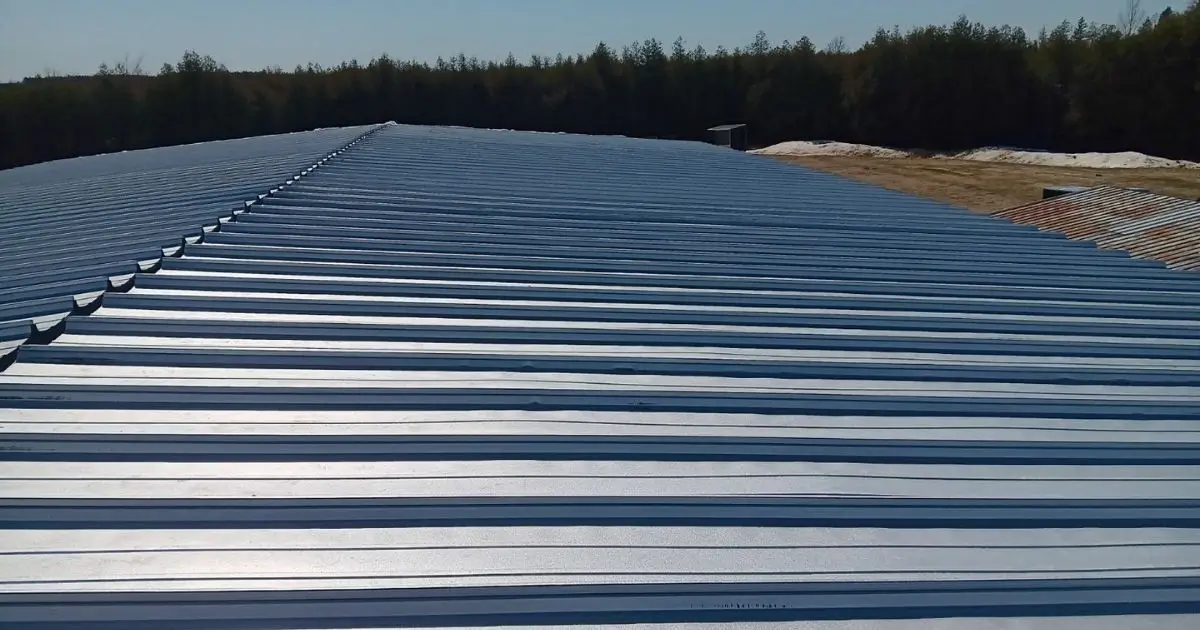
When properly installed, PEBs minimize heat loss and condensation. Roof coatings also reflect sunlight, reducing cooling costs in summer.
Traditional wood buildings often struggle with air leakage and uneven insulation, especially as materials settle or warp over time.
Energy-efficient PEBs can even qualify for Ontario energy incentives, helping reduce long-term operating expenses.
Design Flexibility
Modern pre-engineered buildings offer far more flexibility than older steel models.
With digital engineering and customizable components, you can design virtually any layout or finish.
Customization options include:
- Clear-span interiors with no interior columns
- Mezzanines and partition walls
- Windows, glass storefronts, and overhead doors
- Exterior finishes like stucco, stone veneer, or wood trim
Traditional construction offers aesthetic versatility but at higher cost and longer build times. With PEBs, Ontario builders get both functionality and design freedom without budget strain.
Maintenance and Lifecycle Costs
Over a 30- to 50-year period, maintenance can become one of the most expensive aspects of ownership.
This is where steel truly outperforms.
| Maintenance Task | Pre-Engineered Steel | Traditional Wood/Concrete |
| Painting or Recoating | Every 20–25 years | Every 5–10 years |
| Pest Control | Rarely needed | Regular treatment required |
| Roof Replacement | 30–40 years | 15–20 years |
| Structural Repairs | Minimal | Common after 10–15 years |
A properly built PEB from Tower Steel Buildings requires minimal upkeep. Its galvanized framing and fasteners resist corrosion, reducing maintenance costs by up to 60 percent compared to traditional structures.
Environmental Impact
Sustainability has become a core value for Ontario developers.
Steel buildings are recyclable, energy-efficient, and low-waste.
Factory fabrication ensures precise material use, eliminating excess cutting and disposal on-site.
Environmental advantages:
- Recycled content in steel components
- Reduced on-site waste
- Long building lifespan with minimal renovation needs
- Compatibility with solar panels and green roofing
Traditional construction generates more debris, uses higher volumes of wood and concrete, and often requires demolition after 30–40 years.
By choosing PEBs, owners contribute to a greener Ontario without compromising quality or safety.
Customization and Expansion
Ontario’s growing industries need buildings that evolve with their business.
PEBs make expansion straightforward-simply add frames, bays, or extensions without dismantling existing walls.
Expansion benefits:
- Scalable modular design
- Easier to integrate new doors or loading docks
- Lower cost per additional square foot
- Shorter timelines for additions
Traditional builds require structural modifications or partial demolition, adding time and expense.
Tower Steel Buildings designs every structure with future flexibility in mind, ensuring that today’s investment supports tomorrow’s growth.
Safety and Code Compliance
Safety is built into every Tower Steel Building through engineer-stamped drawings and OBC-certified designs.
Each project meets Ontario’s strict snow, wind, and seismic standards.
PEBs undergo digital load analysis before fabrication, reducing on-site risk and ensuring consistent quality.
Traditional construction relies heavily on manual framing and inspection, increasing variability and error potential.
Every Tower Steel project is reviewed and approved by licensed Ontario engineers, ensuring complete compliance and peace of mind.
Cost and Value Summary
| Category | Pre-Engineered Buildings (PEB) | Traditional Construction |
| Design & Permitting | Fast digital modelling | Manual drawings, longer review |
| Construction Time | 6–10 weeks average | 14–24 weeks average |
| Material Waste | Minimal | High |
| Cost Predictability | Fixed, itemized | Variable, subject to change |
| Durability | 50+ years | 20–40 years |
| Maintenance | Very low | Moderate to high |
This comparison highlights why pre-engineered steel systems dominate modern commercial, agricultural, and industrial projects across Ontario. They deliver superior value from start to finish.
Conclusion
When comparing pre-engineered vs traditional construction in Ontario, the winner is clear.
Pre-engineered buildings are faster to assemble, stronger, more energy-efficient, and less expensive to maintain.
Traditional construction still has its place in custom architectural or heritage projects, but for practical, scalable, and cost-effective solutions, steel leads the way.
For more than 25 years, Tower Steel Buildings has been a trusted name across Ontario, providing engineered steel structures that meet local codes, budgets, and timelines.
Their in-house design, fabrication, and installation teams ensure every project is completed with precision and value in mind.
Reviewed by the Tower Steel Buildings Engineering Team
This article was reviewed by the Tower Steel Buildings engineering team to ensure technical accuracy and Ontario Building Code compliance.
With over 25 years of experience in structural design, steel fabrication, and construction management, the team ensures that every project Tower Steel delivers is built to last.
1. How much can I save by choosing a pre-engineered building?
Most Ontario clients save between 20 and 40 percent in total costs compared to traditional construction due to faster timelines and reduced labour.
2. Are PEBs durable enough for Ontario winters?
Yes. Tower Steel Buildings designs every structure for regional snow, wind, and temperature conditions outlined in the Ontario Building Code.
3. Can a pre-engineered building look modern or architectural?
Absolutely. PEBs can include glass, stucco, or custom cladding to match any desired aesthetic while keeping costs controlled.
4. Do pre-engineered buildings require a foundation?
Yes. Tower Steel Buildings provides engineer-stamped foundation drawings customized to your soil and frost depth conditions.
5. How long does construction take?
Most PEB projects are completed in 6–10 weeks, while traditional builds can take up to six months or more.