When your steel building kit arrives, the excitement of seeing your project take shape truly begins.
Erecting a steel building in Ontario requires planning, teamwork, and attention to detail – whether you’re working with professionals or managing a do-it-yourself installation.
This guide explains each phase of the steel building erection process – from layout and framing to safety checks and final inspection – using real practices from Tower Steel Buildings, one of Ontario’s most trusted steel building manufacturers.
1. Planning Before Construction Begins
Before the first bolt is tightened, proper planning ensures the project stays efficient and safe.
Checklist:
- ✅ Confirm you have approved building permits and engineer-stamped drawings.
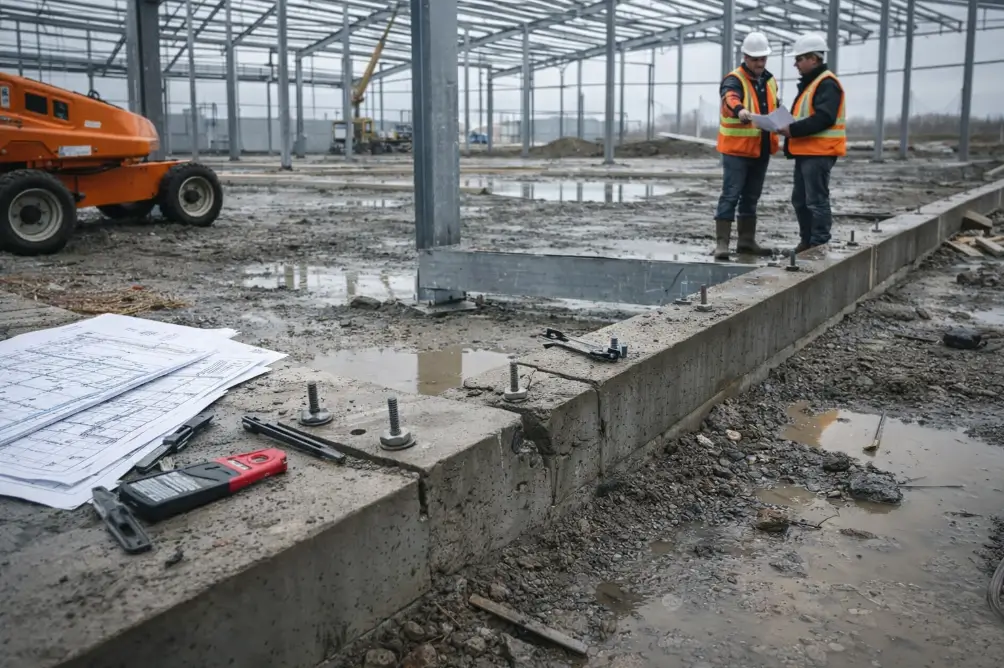
- ✅ Review the foundation layout to ensure anchor bolts match your base plate plan.
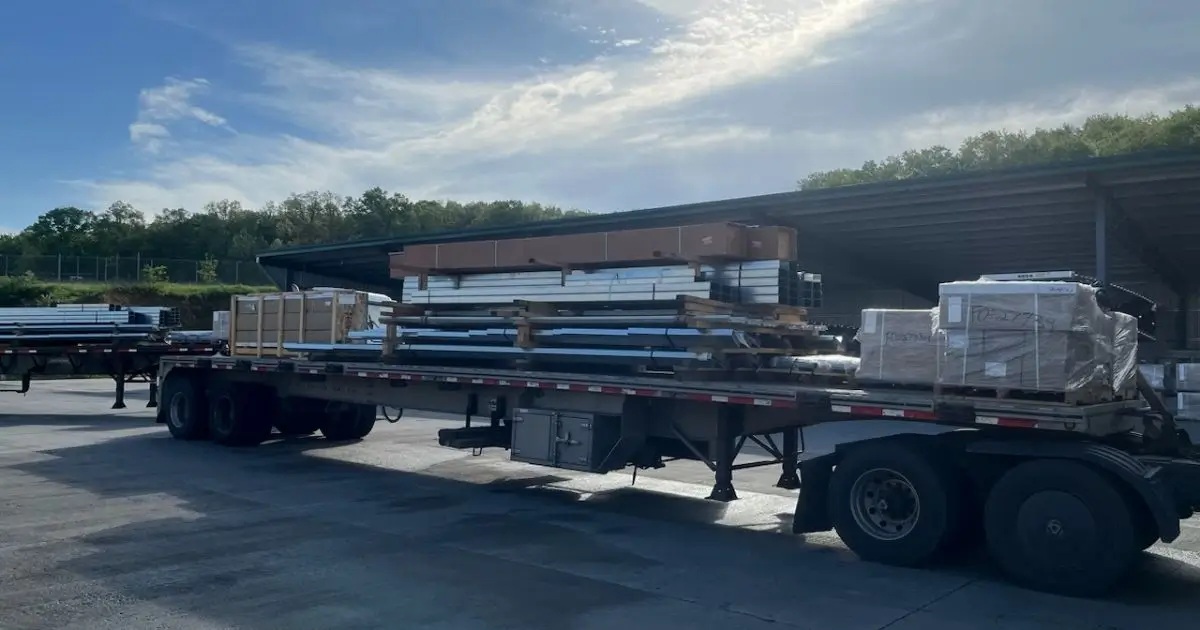
- ✅ Check delivery documents and inventory each bundle before assembly.
- ✅ Review weather forecasts – avoid high-wind or storm days.
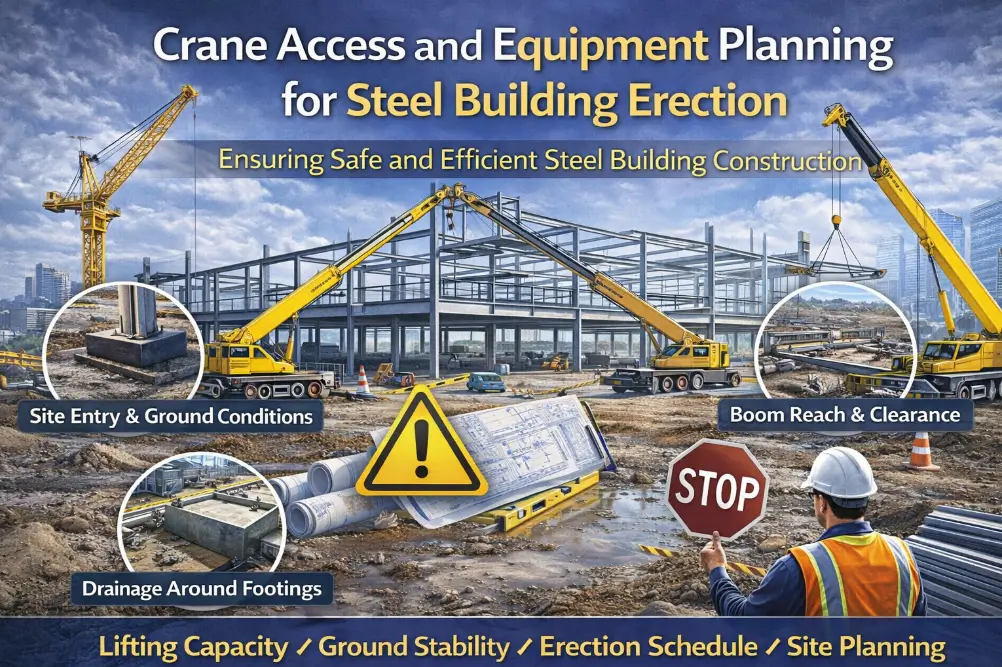
- ✅ Arrange equipment: forklift, scissor lift, telehandler, or small crane.
Tower Steel Tip:
Tower Steel Buildings provides detailed erection drawings, including anchor locations, frame sequences, and connection details designed for Ontario’s Building Code and site conditions.
2. Preparing the Work Site
A clean, organized site makes all the difference once construction starts.
Remove obstacles and ensure safe access for machinery.
Steps:
- Mark the layout: Use chalk lines or laser tools to mark corners and column centres.
- Check foundation bolts: Verify spacing and alignment using Tower Steel’s base-plate template.
- Organize materials: Place frame bundles, purlins, and panels near the foundation in assembly order.
- Set up safety zones: Mark clear walkways and equipment areas with cones or tape.
Safety Note:
Ontario construction law requires proper fall-arrest gear, hard hats, and high-visibility clothing for anyone working at height.
3. Anchor Bolt Verification
Anchor bolts connect your building to its foundation – accuracy here determines how smoothly the rest of the build goes.
Checklist:
- ✅ Confirm bolt size and projection length match drawings.
- ✅ Remove dirt, debris, or concrete residue from bolt threads.
- ✅ Ensure nuts and washers are available for each column location.
- ✅ Verify bolts are within 3 mm of specified alignment.
If adjustments are needed, use shims or epoxy grout before setting the first frame.
4. Setting the Main Frames
The first frame stands are the most critical stage in the entire erection process.
Each frame must be plumb, square, and aligned with the anchor bolts before tightening.
Steps:
- Start with end frames: These form your building’s outer walls and define its width.
- Lift frame sections: Use a crane or telehandler to raise columns and rafters into position.
- Install temporary bracing: Prevent movement before the next frame is placed.
- Check alignment: Use laser levels or plumb bobs for precision.
- Tighten anchor nuts gradually: Maintain balance across all anchor points.
Tower Steel Tip:
Tower Steel’s pre-drilled and colour-coded components reduce guesswork and speed up frame alignment.
5. Installing Secondary Framing
Once the main structural frames are secure, secondary framing adds rigidity and provides attachment points for the roof and wall panels.
Components include:
- Girts (horizontal wall members)
- Purlins (roof members)
- Eave struts and base angles
Checklist:
- ✅ Bolt or screw purlins and girts to pre-punched holes.
- ✅ Confirm spacing matches engineering drawings.
- ✅ Install cross-bracing for wind resistance.
- ✅ Tighten all bolts to recommended torque levels.
This stage establishes the building’s overall stiffness and ensures the roof and walls will fit precisely.
6. Installing Roof and Wall Panels
With the frame complete, panels can now be attached to enclose the structure.
Ontario’s weather conditions make proper fastening and sealing essential.
Steps:
- Start with the roof: Work from the eave toward the ridge to manage overlaps correctly.
- Check orientation: Panels must face in the same direction for consistent drainage.
- Use neoprene-sealed fasteners: Prevent moisture penetration and corrosion.
- Install wall panels: Align vertically and fasten every rib as specified.
- Add trim and flashing: Finish eaves, corners, and openings for a clean appearance.
Tower Steel Tip:
Roof and wall panels from Tower Steel are pre-cut to length for each project, reducing on-site trimming and waste.
7. Doors, Windows, and Accessories
After the shell is enclosed, install accessories to complete the exterior.
Checklist:
- ✅ Frame and install man doors and overhead doors.
- ✅ Mount windows or translucent panels for natural light.
- ✅ Add gutters and downspouts for water management.
- ✅ Seal all openings with foam closure strips or caulking.
- ✅ Install vents or insulation if required.
If electrical or mechanical systems are included, coordinate with certified Ontario trades before final closures.
8. Insulation and Interior Finish (Optional)
Many Ontario clients insulate their steel buildings for year-round use. Proper insulation improves comfort, reduces condensation, and enhances energy efficiency.
Options:
- Fibreglass blanket insulation: Common and cost-effective.
- Rigid foam panels: Great for moisture control and high R-values.
- Spray-foam insulation: Air-sealing for workshops and commercial buildings.
Checklist:
- ✅ Install vapour barrier before insulation in heated spaces.
- ✅ Tape seams and joints to prevent air leaks.
- ✅ Ensure proper ventilation to reduce condensation.
Tower Steel Buildings can recommend insulation systems based on the building’s use and Ontario’s energy efficiency requirements.
9. Final Structural Tightening and Alignment
Before your project moves to inspection, review all structural components for tightness and alignment.
Checklist:
- ✅ Torque all frame bolts according to engineering specs.
- ✅ Confirm roof panels are secure with no visible gaps.
- ✅ Check diagonal measurements to ensure square alignment.
- ✅ Re-inspect bracing and cable tension.
- ✅ Clean up debris and remove unused materials.
A properly aligned structure ensures better load transfer and longer service life.
10. Electrical, Plumbing, and Finishing Touches
Once structural work is complete, mechanical systems and finishes can be added.
Checklist:
- ✅ Install electrical conduit and lighting if required.
- ✅ Run plumbing lines for floor drains or sinks.
- ✅ Apply interior finishes (drywall, liner panels, or paint).
- ✅ Mount fixtures and safety signage.
- ✅ Verify that fire extinguishers and exits meet code.
Ontario inspectors typically review these elements during the final building occupancy check.
11. Safety and Inspection
Safety should be part of every step, not just the final inspection.
Following proper procedures ensures the build meets both structural and occupational standards.
Safety Essentials:
- Use certified lifting equipment for all frame sections.
- Maintain a clear area under suspended loads.
- Conduct daily safety meetings for crew coordination.
- Wear PPE including harnesses, gloves, and helmets.
- Keep fire extinguishers on-site during welding or cutting.
Inspection Checklist:
- ✅ Structural bolts torqued and tagged.
- ✅ Fire exits unobstructed.
- ✅ Roof access ladders installed safely.
- ✅ Electrical and plumbing signed off by licensed trades.
Tower Steel Tip:
Tower Steel Buildings’ erection crews follow Ontario’s Occupational Health and Safety Act (OHSA) standards, using certified equipment and procedures for every project.
12. Project Completion and Handover
After the final inspection, your structure is ready for use.
Tower Steel Buildings provides clients with warranty documents, maintenance guides, and as-built drawings for reference.
Completion Steps:
- ✅ Review and sign off on final inspection reports.
- ✅ Receive structural warranty and maintenance instructions.
- ✅ Schedule periodic maintenance checks for fasteners and sealants.
- ✅ Register for Tower Steel’s support program for ongoing assistance.
When built and maintained correctly, a steel building in Ontario can perform for more than 50 years with minimal upkeep.
13. DIY vs. Professional Erection
Some Ontario clients prefer a DIY steel building setup, while others choose professional crews.
Both options work – the right choice depends on experience, tools, and project complexity.
DIY Advantages:
- Cost savings on labour.
- Flexibility to build at your own pace.
Professional Advantages:
- Faster installation with certified equipment.
- Guaranteed compliance with Ontario safety standards.
- Less risk of errors in alignment or bracing.
Tower Steel Tip:
Tower Steel Buildings offers both support options – detailed DIY guidance for small projects and full erection services by trained professionals for larger or commercial builds.
Conclusion
Erecting a steel building in Ontario is a rewarding process when done right.
By following each stage carefully – from foundation checks and frame alignment to roofing and inspection – you’ll ensure your structure is safe, durable, and built to code.
With decades of experience in design, fabrication, and on-site assembly, Tower Steel Buildings delivers complete solutions – including professional erection crews who understand Ontario’s construction standards from start to finish.
Whether you’re building a personal garage or an industrial warehouse, Tower Steel helps make your project seamless from delivery to completion.
Reviewed by the Tower Steel Buildings Engineering Team
This guide was reviewed by the Tower Steel Buildings engineering and erection team, who oversee installation projects across Ontario. Their experience ensures every step – from foundation alignment to inspection – meets or exceeds provincial standards.
1. How long does it take to erect a steel building in Ontario?
Most small to medium buildings can be completed within 5 to 15 days, depending on crew size, weather, and building complexity.
2. Can I assemble my own steel building?
Yes. Many Ontario customers choose DIY assembly for smaller projects. Tower Steel provides detailed drawings and phone support during construction.
3. What equipment is needed to erect a steel building?
At minimum, a forklift or telehandler, impact tools, and safety harnesses are required. Larger structures may need a small crane.
4. Are professional erection crews certified?
Tower Steel’s crews are trained to Ontario safety standards and experienced in industrial and commercial steel assembly.
5. How do I ensure my steel building passes inspection?
Follow engineer-stamped drawings, use certified fasteners, and complete final torque checks before municipal inspection.