Building your own steel structure can be one of the most rewarding projects you take on – but it’s not always as simple as following a kit manual. Many Ontario property owners wonder whether they can erect a steel building themselves, especially when they buy a prefabricated kit or plan a smaller workshop or garage.
The short answer? Yes, you can – but only if the conditions, design, and your skill level align with the project’s complexity. This guide explains what’s truly involved in DIY steel building assembly in Ontario, including when it’s practical, when it’s risky, and why many owners choose professional erection crews for larger or more complex builds.
1. Understanding What “DIY Steel Building” Means
When we say “do it yourself,” we’re talking about the erection process, not the design or engineering stage.
Tower Steel Buildings, like most reputable Ontario manufacturers, provides:
- Engineered drawings stamped for Ontario Building Code compliance
- Pre-drilled, pre-cut framing
- Bolts, fasteners, and detailed erection manuals
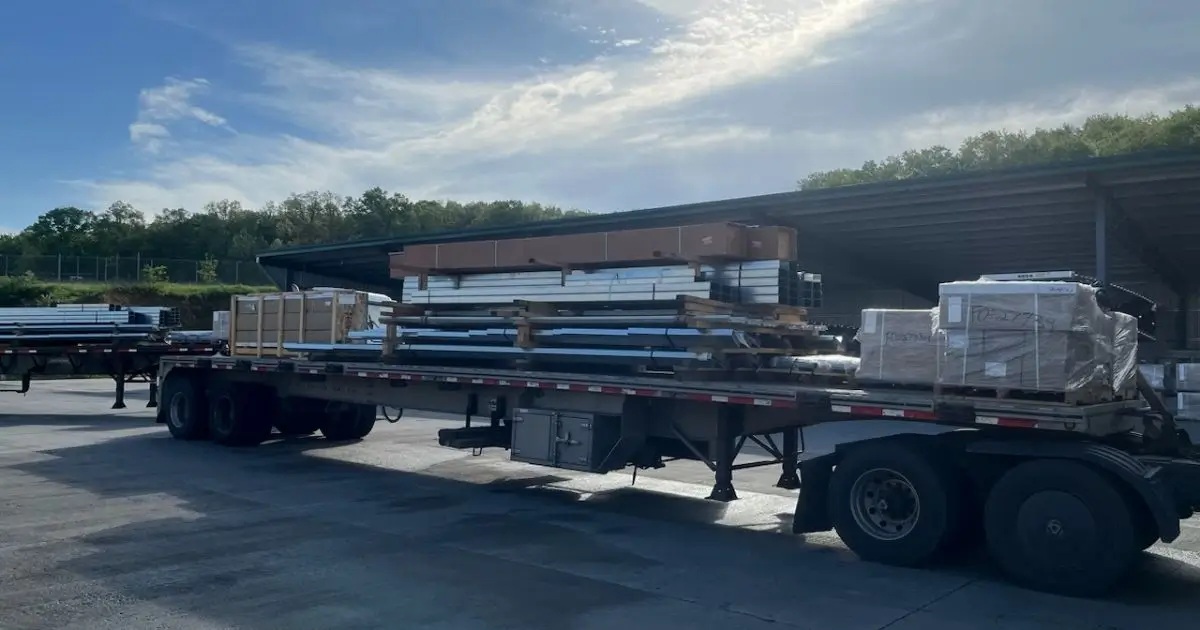
In other words, the kit arrives ready to assemble. The work left for you includes unloading, organizing components, and physically constructing the frame, wall panels, and roof.
However, assembling a structure safely requires:
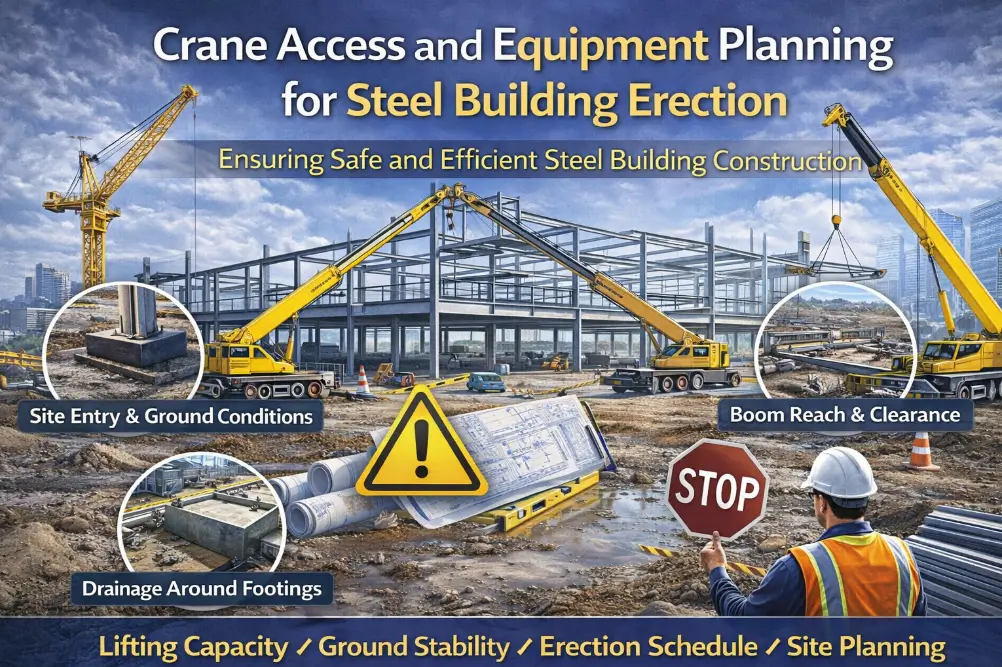
- Proper lifting equipment (lifts, cranes, scaffolds)
- Knowledge of structural alignment
- Adherence to Ontario’s occupational health and safety standards
Even small mistakes can lead to structural issues, so the decision to self-erect should always be based on realistic capabilities, not just enthusiasm.
2. When DIY Steel Building Erection Is Feasible
Smaller, simpler buildings can be successfully assembled by experienced DIY builders or small crews.
You can consider a DIY erection if:
- The structure is under 2,000 square feet (for example, a garage, farm shed, or workshop).
- You or your crew have prior experience with construction or framing.
- You have access to lifting tools such as telehandlers or boom lifts.
- Your site is easily accessible and free of major slope or drainage issues.
- Weather conditions are favourable (spring or summer builds are ideal).
Tower Steel provides clear erection drawings and component lists, making smaller buildings manageable for organized crews who are comfortable reading plans and handling structural steel.
Tip: Even if you’re doing the work yourself, consider hiring a certified welder or licensed contractor for certain steps, such as foundation bolts, truss placement, or roofing.
3. When You Should Hire a Professional Crew
For most medium to large commercial, agricultural, or industrial buildings, professional erection is not just recommended – it’s essential.
You should hire professionals if:
- The structure exceeds 2,500–3,000 square feet.
- It includes cranes, mezzanines, or overhead doors.
- The roof has complex slopes or multiple bays.
- Local zoning requires inspection and certification by a licensed builder.
Larger buildings often involve heavier beams and precise alignment that require cranes, torque-controlled bolting, and experience with steel bracing systems. Attempting this without the proper crew or tools could cause costly mistakes or safety hazards.
Tower Steel’s professional erection teams are trained to assemble structural steel under tight safety and engineering standards – ensuring each connection meets load and alignment requirements before inspection.
4. Step-by-Step Overview of the Erection Process
Whether you choose a DIY approach or professional help, understanding the typical sequence will help you plan better.
Step 1: Site and Foundation Preparation
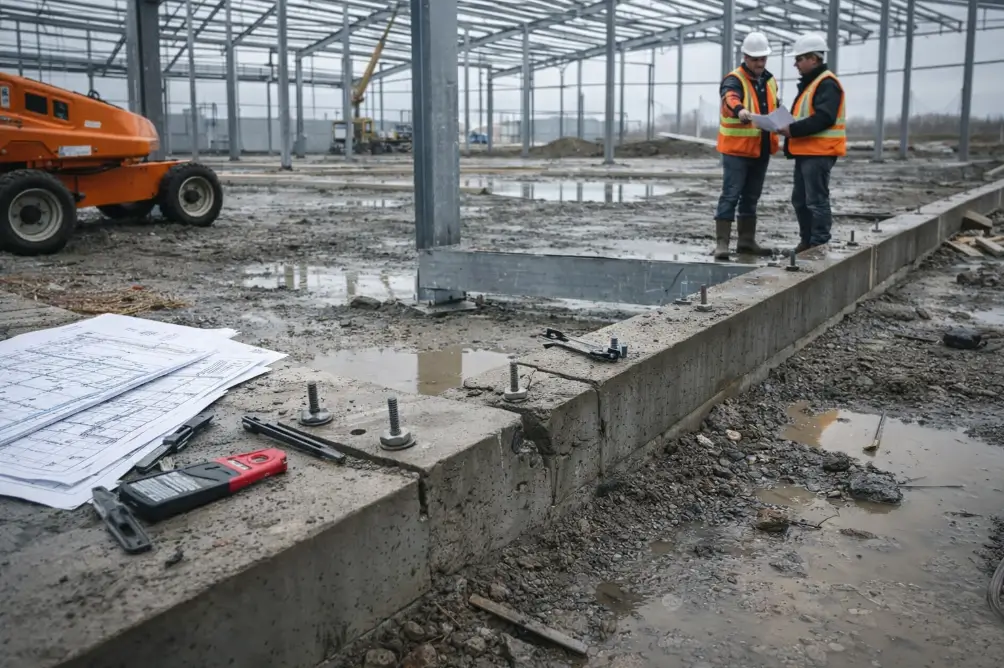
Before any steel arrives, your concrete foundation or piers must be poured and fully cured. The anchor bolts must be positioned exactly as indicated on your engineered drawings. Errors of even a few millimetres can cause alignment issues later.
Step 2: Unloading and Organizing Components
When your building kit is delivered, inspect every item before unloading. Sort the components by type (columns, rafters, purlins, panels) and cross-check them with the packing list. Keep materials protected from moisture.
Step 3: Assembling the Frame
Begin by erecting mainframes – typically two end frames followed by intermediate frames. Use temporary bracing until the full skeleton is in place. Tighten bolts only after verifying that columns are plumb and rafters are square.
Step 4: Installing Secondary Framing
Add purlins, girts, and bracing members next. These elements support wall and roof panels and prevent lateral movement. Accuracy here directly affects how panels fit later.
Step 5: Wall and Roof Panels
Attach the exterior panels starting from the bottom upward. Overlap seams according to the manufacturer’s instructions to prevent leaks. Insulated or lined panels may require additional fasteners and sealant.
Step 6: Doors, Windows, and Trim
Finish with accessories such as man doors, roll-up doors, and flashing. This is also when you install gutters, downspouts, and insulation if applicable.
Step 7: Final Inspection
Once assembly is complete, review torque levels, fastener placement, and flashing integrity. Municipal inspection may be required before occupancy.
Tower Steel’s erection manuals include a full checklist covering every phase, helping ensure accuracy and safety whether you’re managing the work or hiring professionals.
5. Tools and Equipment You’ll Need
Even a small steel building requires the right tools and machinery to ensure safety and precision.
Basic equipment for self-erection:
- Ladders or scaffolding rated for construction use
- A scissor lift or small crane for heavier frames
- Torque wrench for high-strength bolts
- Chalk lines, levels, and laser plumb tools
- Safety harnesses, gloves, helmets, and steel-toe boots
Renting this equipment adds cost but remains far less expensive than correcting structural errors after the fact.
Tip: Tower Steel often assists clients by connecting them with local equipment rental partners across Ontario.
6. Permits, Safety, and Liability
DIY builders are still responsible for following Ontario Building Code (OBC) requirements, as well as safety laws under the Occupational Health and Safety Act (OHSA).
Failing to comply can lead to penalties or insurance issues if an accident occurs on-site.
Key compliance areas:
- Fall protection when working above 10 feet.
- Proper lifting and load-handling practices.
- Electrical and mechanical safety for tools and equipment.
- Inspections for anchor bolts and framing by a qualified engineer (for commercial projects).
Tower Steel’s engineering team provides stamped structural drawings that make it easier to pass municipal inspections, even if the client manages the project independently.
7. Hidden Costs of DIY Erection
DIY projects can save labour costs – but only if they are planned and executed carefully. Some hidden expenses can offset your savings if not accounted for.
Potential hidden costs include:
- Equipment rental for lifts and cranes.
- Delays from rework or alignment errors.
- Extra labour if friends or helpers aren’t available consistently.
- Weather-related interruptions during Ontario’s colder months.
- Lost productivity if you need to learn processes on the job.
Hiring professionals may seem more expensive upfront, but it often prevents overruns, warranty disputes, and long-term structural issues.
8. Why Many Ontario Owners Choose Hybrid Approaches
Many clients choose a hybrid solution – handling certain steps themselves while hiring professionals for critical tasks.
Example hybrid approach:
- Owner handles site prep, unloading, and light framing.
- Certified erection crew installs mainframes, roof, and bracing.
- Owner finishes doors, trim, and interior work.
This approach keeps costs low while ensuring the structure meets engineering and safety standards. Tower Steel frequently supports these hybrid builds by providing technical consultation during installation.
9. Common Mistakes DIY Builders Make
Over the years, Tower Steel has seen common errors in self-erected projects, including:
- Improper anchor bolt alignment.
- Missing or misaligned bracing.
- Over-tightened or under-torqued bolts.
- Incorrect panel overlaps causing leaks.
- Neglecting to verify plumb and level alignment.
Avoid these by carefully following the erection drawings and performing regular checks during every phase of construction.
10. The Role of Tower Steel Buildings
Tower Steel’s mission is to help clients succeed – whether they choose a DIY build or professional erection.
Each project includes:
- Engineer-stamped drawings for OBC compliance.
- Clear manuals and material labelling.
- Optional on-site guidance or consultation.
- Professional erection teams available across Ontario.
By combining quality manufacturing with flexible service options, Tower Steel makes it possible for clients to balance cost savings and construction confidence.
Reviewed by the Tower Steel Buildings Engineering Team
This article was reviewed by the Tower Steel Buildings Engineering Team, ensuring accuracy in construction details, safety standards, and Ontario compliance requirements.
Is it legal to erect a steel building yourself in Ontario?
Yes, as long as you follow local zoning, permit, and safety regulations. You must still obtain required building permits and inspections.
How long does a DIY steel building take to assemble?
A small garage or workshop may take 5 to 10 days with a well-organized team. Larger or insulated structures can take several weeks.
Do I need professional help for concrete foundations?
It’s strongly recommended. Foundation accuracy is critical to alignment, and certified concrete contractors ensure proper curing and anchor placement.
What happens if I make a mistake during assembly?
Contact your manufacturer before proceeding. Tower Steel offers post-delivery support to help clients correct alignment or fastener issues safely.