For many property owners and contractors in Ontario, the idea of assembling a steel building on their own sounds practical and cost-effective. After all, pre-engineered steel systems are designed to be modular, efficient, and relatively straightforward to install compared to traditional construction.
But the question is – can you truly build or erect a steel structure yourself in Ontario? The short answer is yes, in some cases. However, it depends on your building type, the tools and equipment you have access to, and your experience with construction or mechanical assembly.
This guide explains what a DIY erection project looks like in Ontario, what steps are involved, and when it’s safer and more efficient to bring in professional installers.
Understanding Pre-Engineered Steel Systems
Modern steel buildings are designed as pre-engineered kits, where every component – columns, beams, girts, purlins, and cladding – is pre-cut, drilled, and labeled for faster assembly on-site.
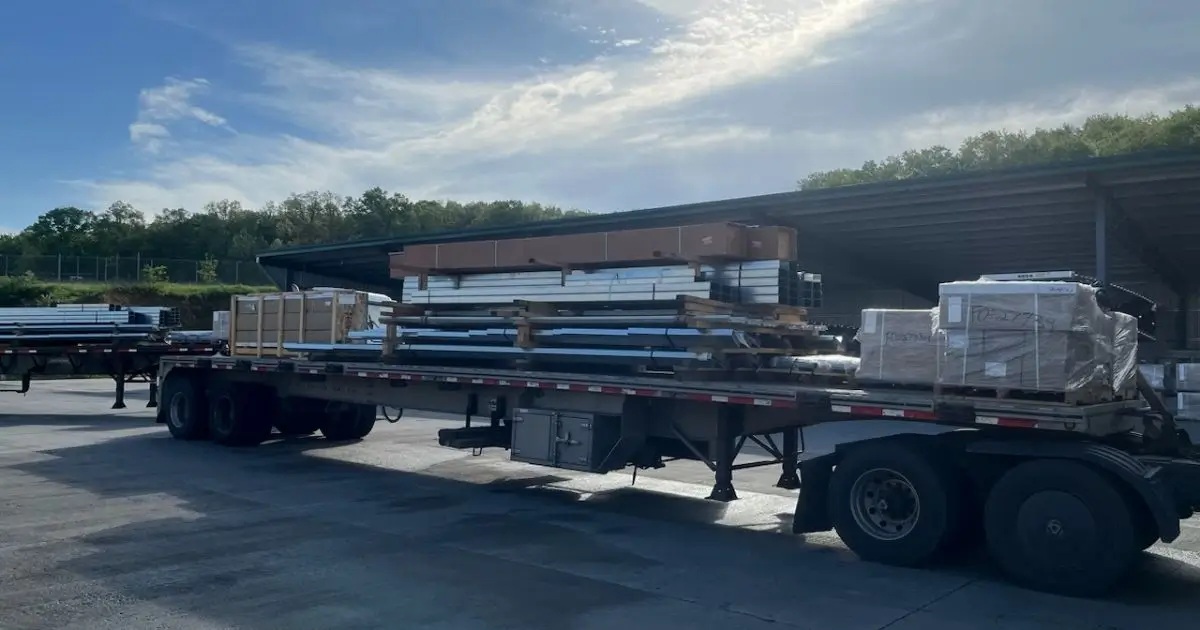
These components are shipped to your location as a complete package, including:
- Main structural framing
- Secondary framing (purlins and girts)
- Roof and wall panels
- Fasteners, trim, and sealants
- Engineering drawings and assembly manuals
This modular design makes it possible for experienced DIY builders or small construction crews to complete basic structures such as garages, storage units, and workshops.
However, large commercial or agricultural projects usually require professional installation teams due to size, lifting requirements, and safety regulations.
What You Can Realistically Build Yourself
In Ontario, DIY building is possible for smaller, low-rise structures such as:
- Personal garages or hobby workshops
- Agricultural sheds and storage barns
- Small equipment enclosures or utility buildings
These types of projects can often be managed by two to four people with construction knowledge and access to essential tools like drills, impact drivers, ladders, and lifting equipment.
For more complex projects – such as warehouses, factories, or multi-bay commercial buildings – the work involves significant engineering oversight, crane operation, and bolting precision. Those are better handled by certified erection crews who are trained to meet Ontario’s safety standards and building codes.
Step-by-Step Overview of Erecting a Steel Building
Whether you handle the build yourself or hire a professional, the basic sequence of construction is the same. Below is an overview of the steel project assembly process in Ontario, based on industry best practices.
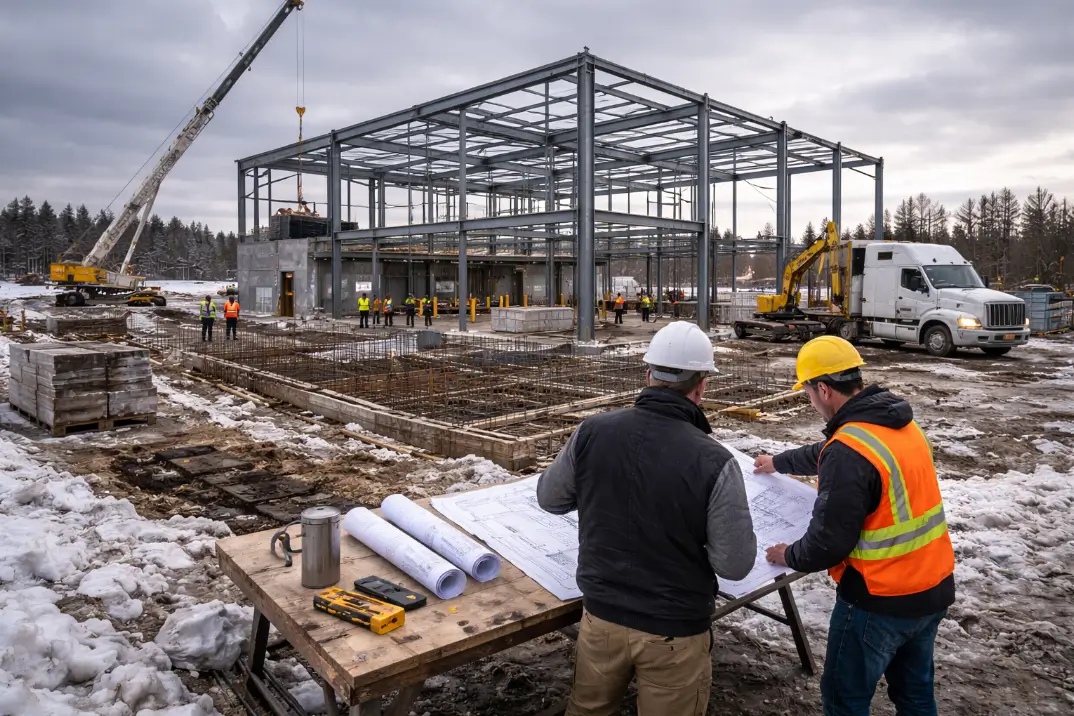
Step 1: Site Preparation and Foundation Work
Before any steel arrives, your site must be graded and prepared for the foundation. Proper drainage and level ground are essential. Most Ontario steel buildings are anchored to reinforced concrete foundations or piers, depending on soil type and frost depth.
Checklist:
- Soil test completed to confirm bearing capacity
- Excavation and grading for drainage
- Foundation forms and rebar installed per engineer drawings
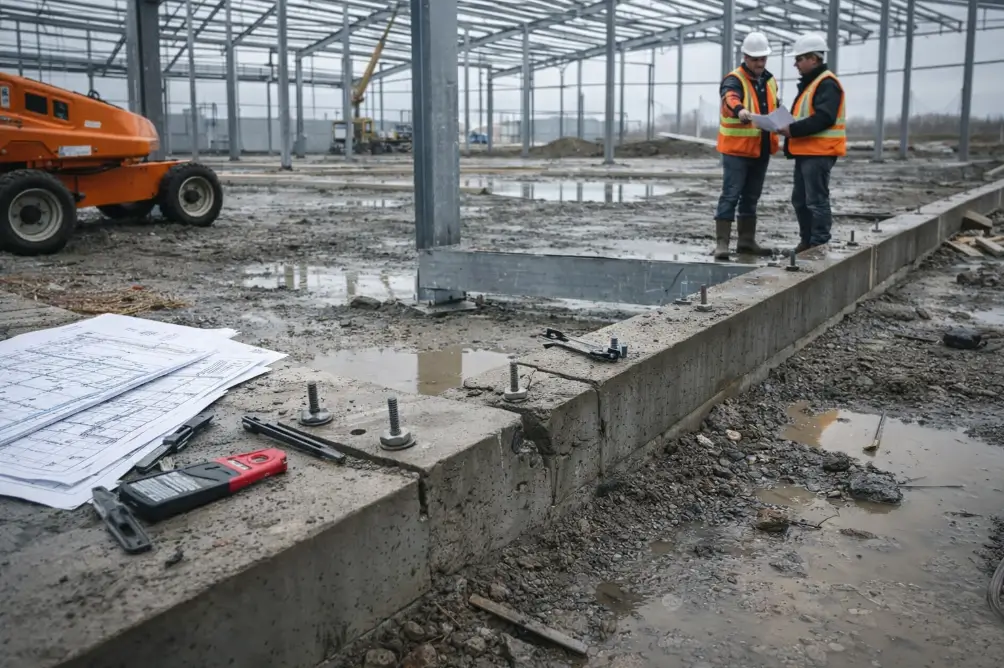
- Anchor bolts accurately positioned before the concrete sets
Even small errors in bolt alignment can delay the entire project. Tower Steel Buildings includes foundation drawings with every quote, ensuring bolt placement matches the frame precisely.
Step 2: Organize and Inspect Delivered Materials
When your prefabricated steel kit arrives, inspect all components carefully before assembly. Verify that:
- The shipment matches your packing list
- No components are bent, damaged, or missing
- Labels on frames and panels match your layout drawings
Organize parts by category (main frames, purlins, panels, etc.) to streamline the workflow. Keep materials elevated off the ground to avoid moisture and dirt contamination.
Step 3: Assemble Main Frames
This stage forms the skeleton of the building. Start by positioning your first rigid frame, securing it to the anchor bolts, and then repeating the process for each subsequent frame.
Each frame is raised and aligned using temporary bracing until the roof purlins are installed to stabilize the structure.
Tools and equipment typically required:
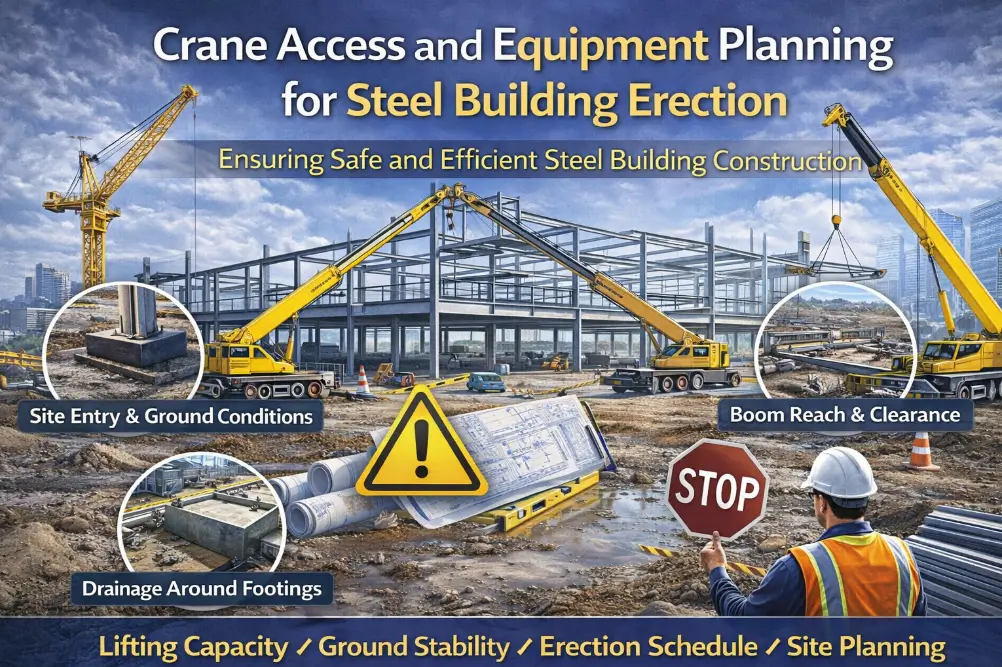
- Boom lift or crane (for larger spans)
- Impact wrenches and high-strength bolts
- Alignment tools, chalk lines, and plumb bobs
- Safety harnesses and fall arrest gear
If your building exceeds 20 feet in height, Ontario’s Occupational Health and Safety Act (OHSA) requires fall protection and certified operators for all elevated work.
Step 4: Install Purlins, Girts, and Bracing
Once the main frames are in place, secondary framing connects the structure. Roof purlins and wall girts tie the frames together, adding rigidity and forming the support grid for cladding.
Install X-bracing or cable bracing according to the engineer drawings – these components ensure lateral stability against wind and snow loads.
At this stage, precision is vital. Proper alignment now prevents issues with panel fitment later.
Step 5: Add Roof and Wall Panels
Next, attach the roof and wall cladding. Start from one end and work across to maintain alignment. Overlap panels as directed in the assembly manual, and use sealants at laps and fastener points for weatherproofing.
Installation tips:
- Avoid overtightening screws to prevent panel damage
- Check panel orientation before drilling
- Use cutting tools designed for metal (avoid hot saws that damage coatings)
For Ontario’s variable weather, adding a vapor barrier or insulation layer is strongly recommended – especially for workshops and heated spaces.
Step 6: Install Doors, Windows, and Trim
Once the shell is complete, openings can be framed and fitted. Depending on your design, this may include:
- Overhead or roll-up doors
- Walk doors
- Windows and skylights
Add trim, gutters, and flashing for a finished look and proper drainage. If you plan to insulate, install vapor barriers before interior finishes.
Step 7: Conduct Final Inspection
Before occupancy or use, perform a thorough inspection:
- Check all bolt torque values
- Verify squareness and alignment of the structure
- Inspect fasteners, sealants, and weatherproofing
- Review engineer-stamped drawings for compliance
In most Ontario municipalities, you’ll also need a final inspection from the local building department to confirm compliance with the Ontario Building Code.
When to Hire Certified Erectors
DIY building has limits. Professional steel erection crews bring efficiency, safety, and precision that are difficult to match without specialized equipment.
Consider hiring certified erectors when:
- The building height exceeds 20 feet
- Crane or heavy-lift work is required
- The structure includes mezzanines, overhead cranes, or complex framing
- You’re on a tight construction schedule
Professionals also manage safety planning, fall protection, and equipment handling per OHSA and WSIB standards. For large commercial or agricultural projects, this expertise can save weeks of time and prevent costly rework.
Tower Steel Buildings works with approved Ontario erection partners who are familiar with its engineered systems, ensuring compliance and consistent quality across installations.
Key Safety Considerations for DIY Builders
Even if you choose a self-build approach, safety must come first. Ontario has strict safety regulations for construction activities, including DIY projects.
Basic guidelines:
- Wear PPE: gloves, steel-toed boots, safety glasses, and helmets
- Use fall protection when working above 3 metres
- Never work alone during frame erection
- Follow all manufacturer torque specifications
- Avoid construction during strong winds or icy conditions
- Keep the worksite clear of debris and untrained personnel
Tower Steel provides clear assembly manuals and offers support to guide safe, step-by-step erection. Still, when in doubt, consult professionals before taking on high-risk tasks.
Advantages of Professional Assembly
While DIY projects can save on labour, professional installation provides:
- Faster completion timelines
- Compliance with engineering and safety codes
- Warranty protection on installation workmanship
- Experienced handling of large frames and roofing systems
Tower Steel’s certified crews ensure your structure is installed exactly to design – which is especially important for meeting permit and insurance requirements in Ontario.
Conclusion – DIY or Professional? Choose What’s Right for Your Project
So, can you build or erect a steel structure yourself in Ontario? Yes, with the right preparation, knowledge, and tools, smaller projects like garages or workshops can be assembled by capable DIY builders.
However, when the structure grows in size or complexity, professional erection services become not just advisable, but necessary for safety, code compliance, and long-term durability.
Whether you choose to do it yourself or hire a crew, Tower Steel Buildings provides the engineering, instructions, and support to make your project a success. Every kit includes detailed drawings, clear manuals, and access to experts who understand Ontario’s conditions and codes.
Reviewed by the Tower Steel Buildings Engineering Team
This article has been reviewed by the Tower Steel Buildings Engineering Team to ensure all steps, safety details, and compliance requirements reflect Ontario’s construction standards.