When buyers think about erecting a steel building, most attention goes to the structure itself. Frame spacing. Clear spans. Roof height. Door openings. What often gets overlooked is the logistics required to physically assemble that structure on site.
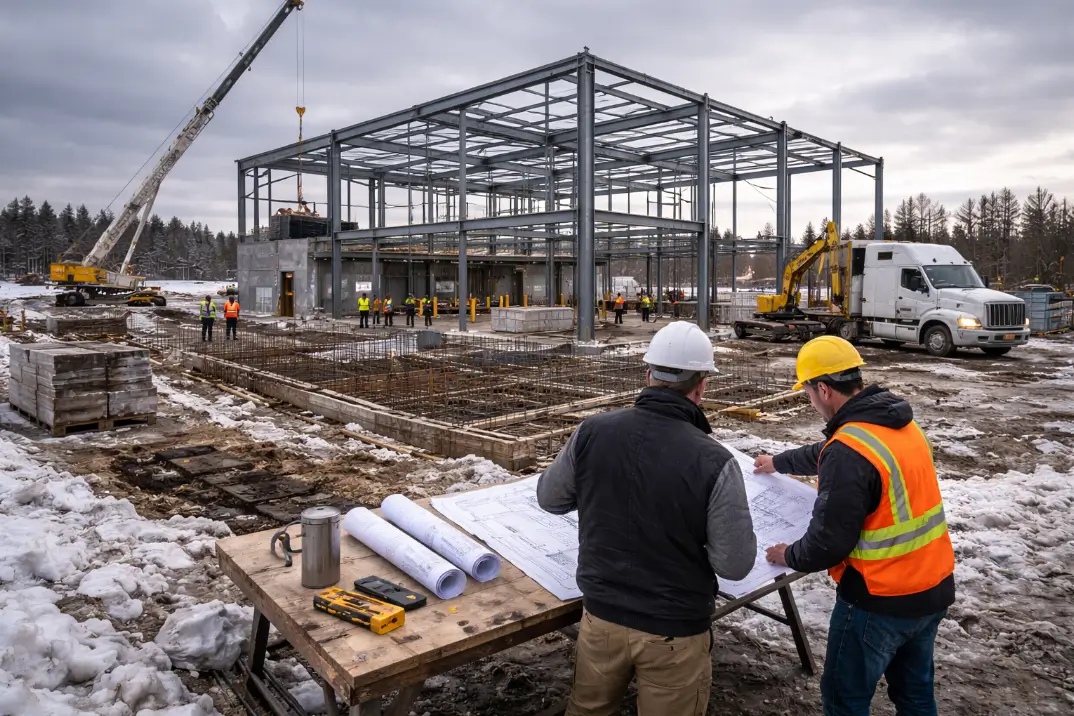
Crane access and equipment planning are not optional details. These considerations directly affect steel building erection, particularly when working with large frames and tight site conditions. They are foundational to whether a steel building can be erected safely, efficiently, and on schedule. In many Canadian projects, erection delays, cost overruns, and safety incidents can be traced back to inadequate crane planning rather than design flaws.
Steel buildings are precise systems. They rely on controlled lifting, accurate placement, and stable ground conditions. Without proper access for cranes and erection equipment, even a well-engineered building can become difficult or impossible to assemble as intended.
This article explains how crane access and equipment planning affect steel building erection in Canada, what is typically required on site, and why these considerations must be addressed early in the project lifecycle.
Why Crane Planning Matters for Steel Building Projects
Steel building erection involves lifting and positioning large, rigid components. Primary frames, rafters, columns, girts, purlins, and bracing members must be set in sequence, often at significant heights.
Unlike wood construction, steel components cannot be easily adjusted by hand once lifted. Each pick must be planned, controlled, and executed safely. This is where cranes and material handling equipment become critical.
Improper crane planning leads to predictable problems:
- Unsafe lifting angles and overreaching
- Limited boom clearance near buildings or utilities
- Inadequate ground bearing capacity
- Increased erection time and labour costs
- Higher risk of damage to steel components
- Delays caused by crane repositioning or re-mobilization
Canadian steel building systems and erection practices are aligned with national standards developed by CSA Group.
In Canada, these issues are amplified by seasonal weather, soil conditions, and tighter site constraints, particularly in urban or industrial zones.
Typical Equipment Used in Steel Building Erection
While cranes are the most visible part of erection planning, they are only one piece of the equipment strategy.
Mobile Cranes
Mobile cranes are the most common lifting equipment used for steel building erection in Canada. Crane selection depends on:
- Building width and height
- Weight of primary frames
- Reach required from crane location
- Site access and ground conditions
Crane capacity must be evaluated at working radius, not just maximum rating. A crane that appears sufficient on paper may be under-capacity once boom length and reach are factored in.
Boom Trucks and Telehandlers
For smaller components such as girts, purlins, wall panels, and trim, boom trucks or telehandlers are often used. These machines support erection efficiency but cannot replace a properly sized crane for primary framing.
Aerial Work Platforms
Scissor lifts and boom lifts are essential for bolting, bracing, and secondary framing. Their operation requires stable, level surfaces and adequate clearance around the structure.
Crane Access Requirements on a Steel Building Site
Crane access refers to more than just getting a crane onto the property. It involves ensuring the crane can operate safely and effectively throughout the erection process.
Site Entry and Turning Radius
Cranes are large, heavy vehicles. Access roads must accommodate:
- Vehicle width and length
- Turning radius at site entry
- Overhead clearance from power lines or trees
In urban and industrial Canadian sites, limited access is a common challenge. Early site evaluation helps prevent costly surprises during erection.
Ground Bearing Capacity
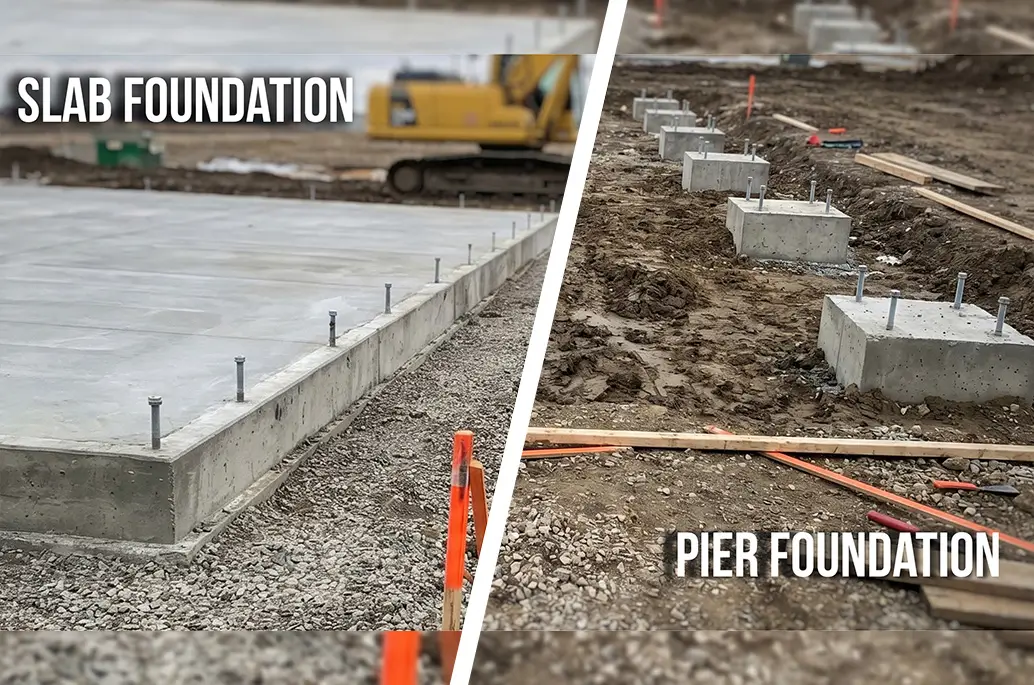
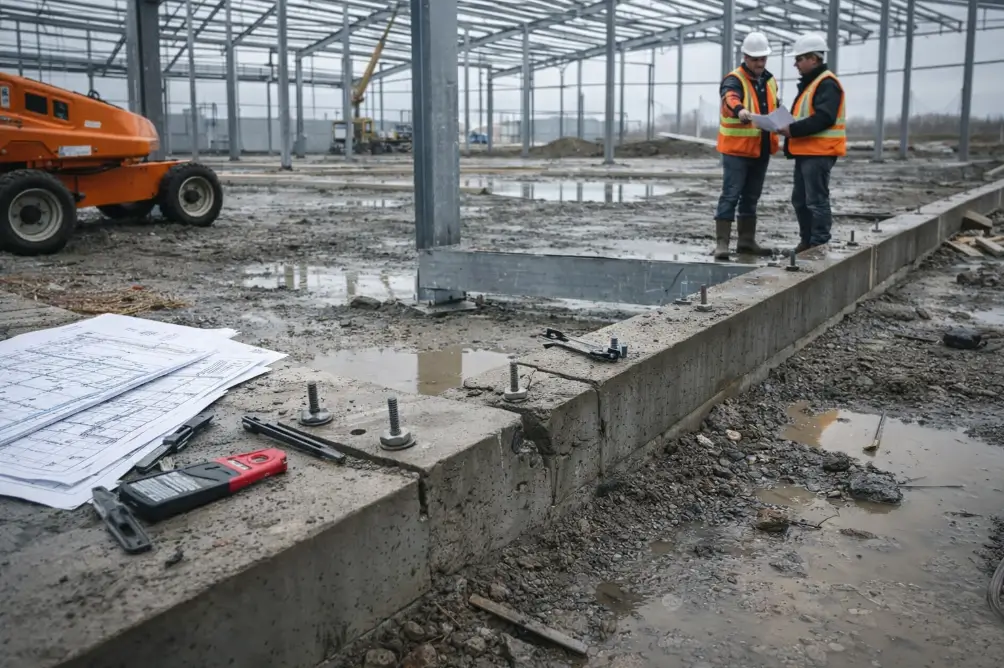
Cranes exert significant ground pressure through outriggers. Soil conditions must be evaluated to ensure the ground can safely support these loads. Crane stability is closely tied to steel building foundation design, including grading, compaction, and drainage.
Poor ground preparation can lead to:
- Outrigger settlement
- Crane instability
- Unsafe lifting conditions
- Project shutdown by safety officers
These risks are commonly addressed during steel building site preparation before erection begins. This ties directly into steel building foundation design in Canada, as grading, compaction, and drainage affect both foundations and crane stability.
Crane Setback Distance
The distance between the crane and the building footprint affects lifting capacity. Greater setback requires longer boom reach, which reduces lifting capacity.
Restricted crane positioning often results in:
- Larger cranes than originally planned
- Additional crane moves
- Increased rental and mobilization costs
Sequencing and Crane Positioning Strategy
Steel building erection follows a defined sequence. Crane planning must align with that sequence.
Primary Frame Erection
Primary frames are typically erected first. These lifts are often the heaviest and tallest, requiring the crane to be positioned optimally to avoid excessive reach.
Poor positioning can force unsafe picks or require re-handling of frames, increasing risk and time.
Secondary Framing and Roof Work
Once primary frames are in place, cranes may need to reposition for roof members or bracing. Efficient planning minimizes crane moves, which are costly and time-consuming.
Panel Installation and Finishing
Wall and roof panels often require different equipment positioning than framing. Planning for this transition avoids downtime and site congestion.
Urban vs Rural Crane Planning Challenges in Canada
Urban and Constrained Sites
In cities, crane planning is often constrained by:
- Adjacent buildings
- Property lines
- Public roadways
- Underground services
Soil composition, moisture retention, and frost susceptibility across Canadian regions are documented by Natural Resources Canada.
Street closures, permits, and traffic control may be required. These factors should be considered during early design and scheduling, not during erection week.
Crane planning is particularly critical for industrial steel buildings located in constrained or active operational environments.
Rural and Remote Sites
While space is often less restricted, rural sites present their own challenges:
- Soft or unprepared ground
- Limited access roads
- Longer equipment mobilization times
In mining, agricultural, or industrial locations, crane access planning becomes a major logistical exercise rather than a simple site detail.
Safety and Regulatory Considerations
Crane operations in Canada are governed by strict safety regulations. Structural erection planning and site safety requirements are informed by the National Building Code of Canada, which establishes minimum safety and design standards nationwide.
Erection planning must comply with provincial occupational health and safety requirements, which include:
- Load charts and crane certification
- Operator qualifications
- Lift planning for critical lifts
- Weather limitations
Crane operation, lift planning, and worker protection are guided by national safety guidance published by the Canadian Centre for Occupational Health and Safety.
Wind conditions are particularly important. Steel frames act as large sails during lifting. Wind delays are common and must be accounted for in schedules.
How Poor Crane Planning Impacts Project Cost
Crane planning errors often appear as indirect costs rather than line items.
Common cost impacts include:
- Larger crane rentals than initially budgeted
- Additional mobilization and demobilization fees
- Extended erection timelines
- Labour inefficiencies due to waiting or rework
- Increased insurance exposure
These costs are rarely recoverable once erection begins. Proper planning upfront is far less expensive than correcting access issues mid-project.
Crane requirements often change when design revisions occur, as explained in design changes that affect steel building pricing.
Coordination Between Engineering, Erection, and Operations
Effective crane planning requires early coordination between multiple parties:
- Structural engineer
- Steel building manufacturer
- Erection contractor
- Site civil contractor
Engineering decisions influence member weights and erection sequence. Site preparation affects crane stability. Erectors understand practical lifting constraints. When these perspectives are aligned early, projects run smoother.
This coordination is especially important for steel warehouse design in Canada, commercial steel buildings, and industrial facilities where large clear spans and tall frames are common.
Crane Planning as Part of the Overall Project Strategy
Crane access and equipment planning should never be treated as an afterthought. It is part of the overall steel building project strategy, alongside foundation design, soil conditions, and lead time planning.
Buyers who address crane access early benefit from:
- Predictable erection schedules
- Fewer site disruptions
- Improved safety performance
- Lower total project cost
Most erection challenges do not come from lack of equipment. They come from lack of planning.
Final Thoughts
Steel buildings depend on precision, coordination, and execution. Crane access and equipment planning sit at the intersection of design, site preparation, and construction logistics.
When these elements are addressed early, steel building erection becomes a controlled, efficient process. When they are ignored, even well-designed buildings face delays and avoidable costs.
Understanding crane planning is not just for contractors. It is essential knowledge for any buyer serious about delivering a steel building project successfully in Canada.
Reviewed by the Tower Steel Buildings Engineering Team
This article has been reviewed by the Tower Steel Buildings engineering team, drawing on decades of combined experience in steel building design, manufacturing coordination, and on-site erection planning across Canada. The review reflects real-world project conditions, including urban access constraints, rural site challenges, and compliance with Canadian safety and construction standards.
1. Who is responsible for crane access planning on a steel building project?
Crane access planning is typically a shared responsibility. The site owner or general contractor is responsible for site preparation and access, while the erection contractor plans crane positioning and lifting strategy. Structural engineers and steel suppliers must provide accurate member weights and erection sequencing information to support safe planning.
2. When should crane access be evaluated during a steel building project?
Crane access should be evaluated during the early design and site planning phase, well before steel fabrication begins. Waiting until erection is scheduled often results in larger crane requirements, site rework, or schedule delays that could have been avoided with early coordination.
3. How does soil condition affect crane operations during erection?
Soil conditions directly affect ground bearing capacity for crane outriggers. Soft soils, poor compaction, or inadequate drainage can make crane operation unsafe. Temporary crane pads or improved subgrade preparation may be required to ensure stability, especially in Canadian freeze-thaw environments.
4. Can limited site space increase erection costs?
Yes. Restricted crane positioning often requires cranes with greater reach and higher capacity, which significantly increases rental costs. Limited space can also lead to additional crane moves, longer erection time, and higher labour costs.
5. Do weather conditions impact crane planning for steel building erection?
Weather plays a major role. Wind limits crane operations and steel lifting, particularly for large frames and roof members. Snow, ice, and spring thaw conditions also affect ground stability. Canadian erection schedules should always account for potential weather-related downtime.
6. Does crane planning affect steel building safety and insurance requirements?
Absolutely. Improper crane planning increases safety risks and may trigger scrutiny from insurers, safety officers, and lenders. Well-documented crane access and lift planning demonstrate risk management and help maintain compliance with occupational health and safety standards.
7. Can poor crane planning delay inspections or approvals?
Yes. If inspectors observe unsafe crane operations, unstable ground conditions, or improper site access, work can be halted. These stoppages often result in reinspection fees, schedule delays, and additional coordination costs.
8. Is crane planning different for large steel warehouses or industrial buildings?
Larger buildings typically involve heavier components, greater lifting heights, and tighter tolerances. This makes crane planning even more critical. Early coordination between the structural engineer, racking or equipment suppliers, and erection crews is essential for efficient execution.