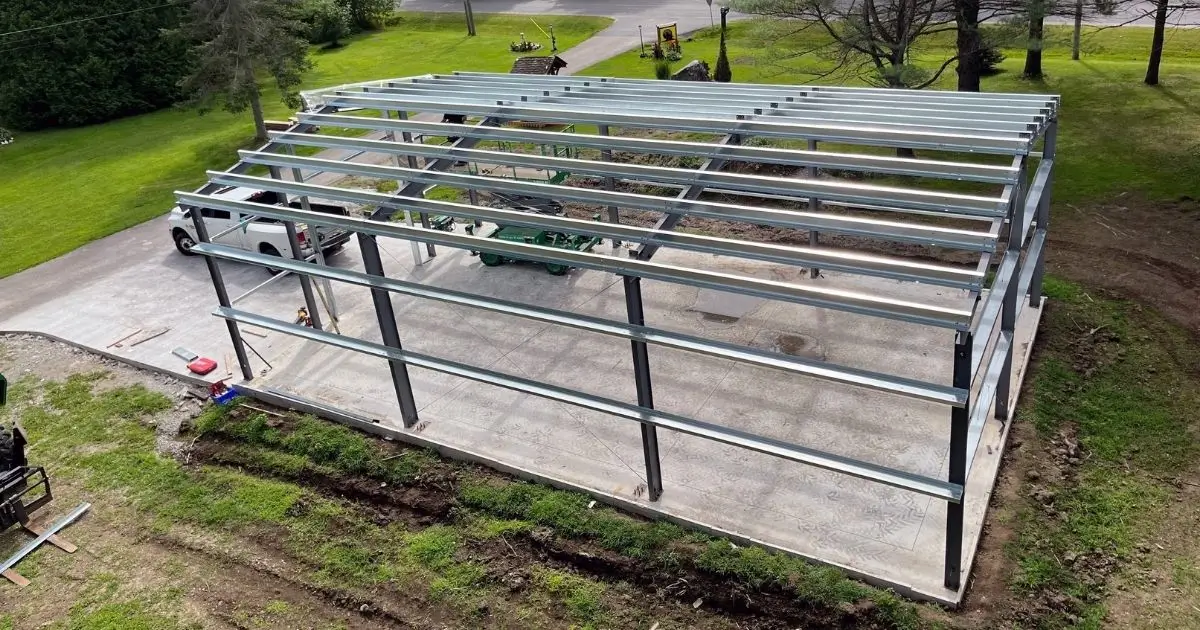
The Economical Edge of Steel Buildings in Ontario – Strength Meets Affordability
In Ontario’s fast-changing construction market, builders and property owners are searching for materials that deliver both performance and long-term value. Traditional building materials like wood and concrete are becoming more expensive and harder to maintain. That’s why more developers, farmers, and small business owners are turning to economical steel buildings in Ontario – a solution that blends durability, cost efficiency, and flexibility.
Steel buildings offer more than just strength. They reduce lifetime costs, improve energy performance, and simplify maintenance, making them one of the most cost-effective construction choices available in Canada today.
Here’s how Tower Steel Buildings helps Ontario clients achieve affordability without cutting corners on quality or design.
Why Steel Buildings Are Economical
Many assume that steel construction costs more upfront than wood or concrete. While the initial price per square foot can be similar, the long-term economics are where steel stands out.
A steel building pays for itself through:
- Reduced labour costs.
- Faster assembly timelines.
- Minimal maintenance needs.
- Lower insurance premiums.
- Energy-efficient insulation and coatings.
- Longer lifespan with fewer repairs or replacements.
The result is a structure that’s both affordable and sustainable – offering real value over decades of use.
Comparing Construction Costs in Ontario
To understand steel’s value, it helps to look at real numbers.
Approximate cost range per square foot (Ontario averages):
| Building Type | Steel | Wood | Concrete |
| Workshop / Garage | $40–$70 | $60–$90 | $100+ |
| Warehouse / Industrial | $50–$90 | $75–$120 | $110+ |
| Commercial / Retail | $70–$110 | $90–$140 | $130+ |
While prices vary by design, finish, and site conditions, steel consistently delivers lower costs per square foot, especially for medium and large buildings.
Tower Steel Buildings uses pre-engineered systems that reduce on-site labour and waste – one of the biggest factors influencing Ontario construction budgets.
Faster Construction Means Lower Labour Costs
Time is money in construction.
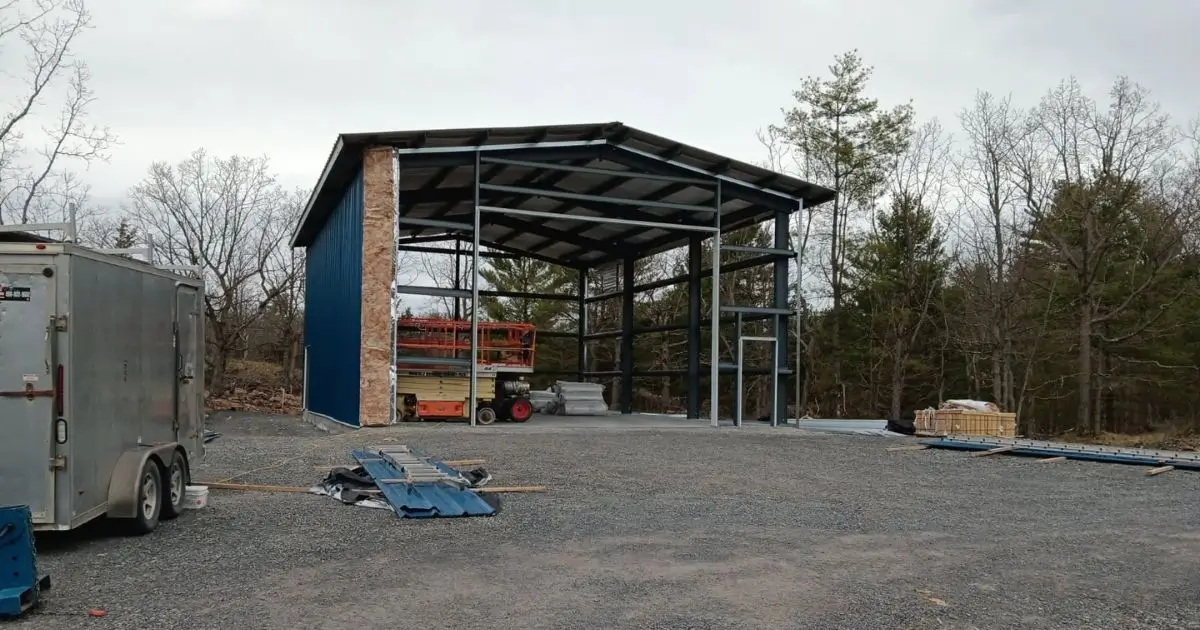
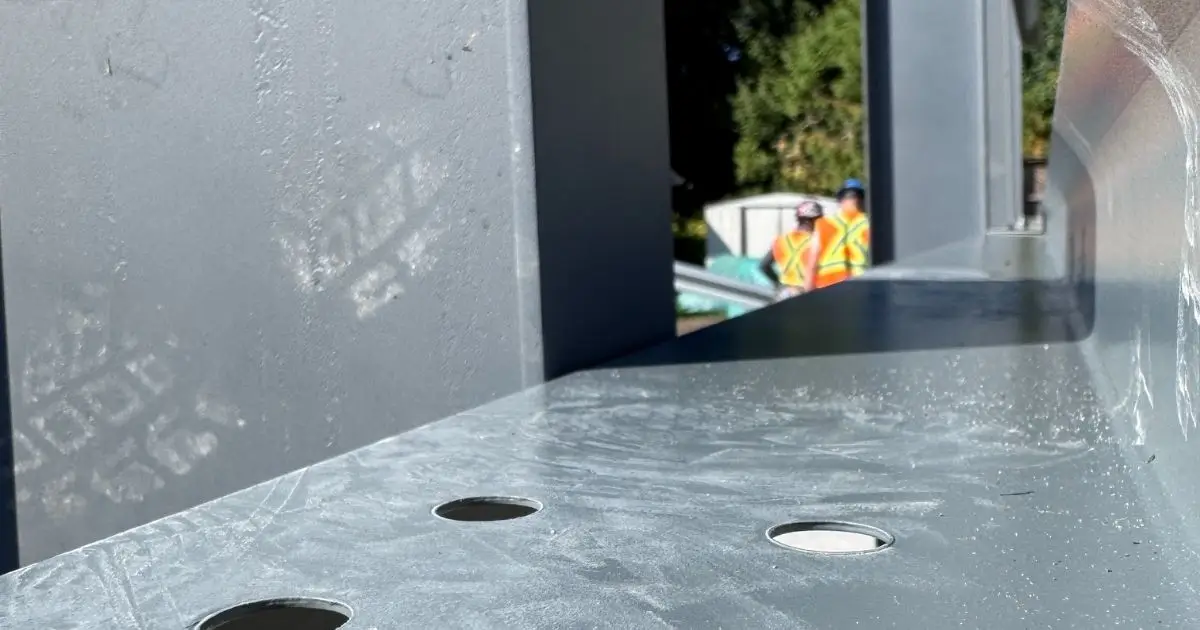
Unlike traditional framing, where every stud, joist, and truss is built on-site, steel buildings arrive pre-engineered, pre-drilled, and ready to assemble.
This efficiency can cut total build time by 30–50 percent, depending on project size.
For Ontario businesses, that means earlier occupancy, faster operations, and fewer days of labour costs.
Example:
A 5,000-square-foot warehouse can take 3–4 months using conventional methods but just 6–8 weeks with a pre-engineered steel system.
Tower Steel Buildings coordinates fabrication and delivery from its Ontario-based facilities to streamline scheduling and eliminate delays.
Low Maintenance Equals Long-Term Savings
Maintenance is often overlooked when evaluating total building costs.
Wood structures require repainting, pest treatments, and frequent repairs caused by rot, expansion, or warping. Concrete can crack or spall over time, especially in Ontario’s freeze-thaw cycles.
Steel eliminates many of these concerns:
- No need for termite or mold control.
- No warping or settling.
- Galvanized and powder-coated finishes resist corrosion.
- Paint and coatings last decades with minimal upkeep.
In rural Ontario, where weather can be harsh and humidity high, low maintenance becomes a major advantage.
Owners save thousands over the building’s life simply by avoiding costly repairs or replacements.
Insurance and Safety Savings
Insurance premiums for steel buildings are typically 15–30 percent lower than those for wood or mixed-material structures.
Why? Because steel is non-combustible, resistant to lightning and fire spread, and less susceptible to environmental damage.
Benefits of lower risk profiles:
- Reduced fire insurance costs.
- Lower claims from structural damage.
- Greater safety compliance for industrial use.
These savings add up significantly for businesses operating warehouses, garages, or agricultural storage in Ontario, where insurance costs can be a major ongoing expense.
Durability and Lifespan
Durability is one of steel’s greatest economic strengths.
A well-engineered steel building can last 50 years or more with minimal structural degradation.
By comparison, wooden structures may require significant repairs within 15–25 years.
Reasons for steel’s longevity:
- Uniform strength – every component is manufactured to CSA and OBC standards.
- Weather resistance – steel does not rot or swell under moisture.
- Protective coatings – prevent rust and UV degradation.
- Recyclability – materials retain value even after decades of use.
Tower Steel Buildings designs every project for Ontario’s snow, wind, and seismic loads, ensuring buildings remain stable and safe for generations.
Energy Efficiency and Thermal Performance
One of the overlooked cost benefits of steel buildings is their ability to reduce energy consumption.
With proper insulation and vapor barriers, steel structures maintain stable interior temperatures through Ontario’s cold winters and humid summers.
Energy-efficient design elements include:
- Insulated metal panels (IMPs): High R-value cores reduce heat loss.
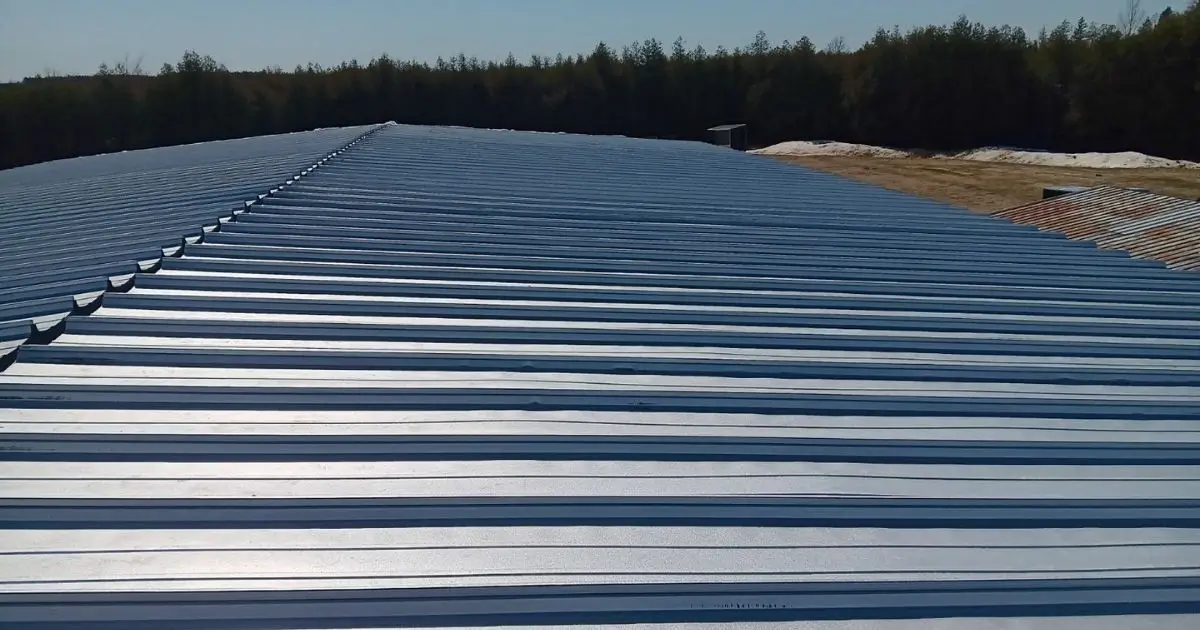
- Reflective roof coatings: Deflect solar heat in summer.
- Thermal breaks: Prevent energy transfer through framing.
- Air-tight construction: Reduces drafts and humidity fluctuations.
By combining these features, Tower Steel Buildings helps clients lower heating and cooling costs by 20–40 percent annually – a major contributor to lifetime affordability.
The “Hidden” Savings of Pre-Engineered Systems
Steel’s true value often lies in efficiency beyond materials.
Pre-engineered systems minimize errors, waste, and rework, leading to faster approvals and smoother builds.
Hidden savings include:
- Simplified permitting with engineer-stamped drawings.
- Precision fit that reduces costly on-site modifications.
- Less equipment downtime during installation.
- Reduced disposal costs from unused or damaged material.
Every Tower Steel building is manufactured and detailed using 3D CAD software.
This ensures that all components – from base plates to roof purlins – fit perfectly the first time, saving both time and money during assembly.
Value Retention and Resale
Unlike wood or concrete buildings that degrade over time, steel maintains its value.
If a business expands, steel structures can be relocated, extended, or resold.
Why resale matters in Ontario:
- Rising land values make adaptable buildings more attractive.
- Steel structures can be disassembled and moved without losing integrity.
- Investors and buyers see engineered steel as a reliable long-term asset.
This adaptability increases the return on investment (ROI) for property owners while keeping depreciation rates low.
Tower Steel Buildings – Balancing Quality and Affordability
Tower Steel Buildings has built its reputation in Ontario on providing both strength and value.
The company’s integrated model – design, engineering, manufacturing, and delivery – ensures cost control at every stage.
What makes Tower Steel economical:
- Direct-from-factory pricing without middlemen.
- Local engineering ensures compliance with OBC and reduces delays.
- High-efficiency fabrication minimizes material waste.
- Optional upgrades for insulation and finishes let clients match budget to performance.
Every Tower Steel project starts with a clear quote and transparent scope, so customers know exactly what they’re paying for – no hidden fees, no unnecessary extras.
Real Example – A Cost-Efficient Warehouse in Ontario
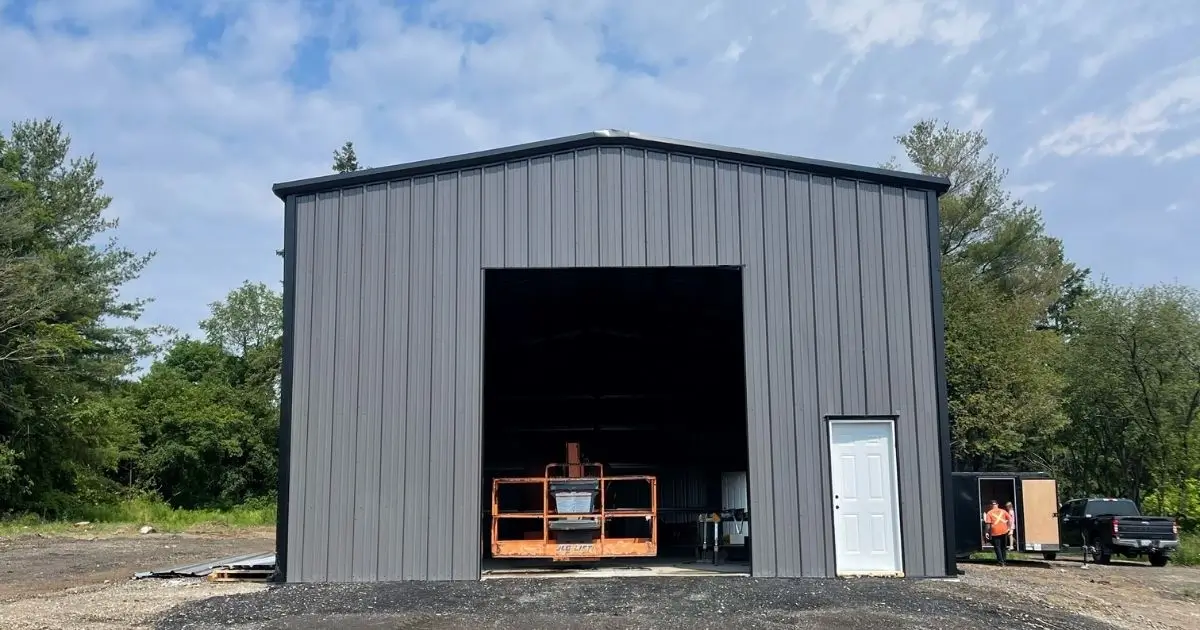
An Ontario logistics company recently partnered with Tower Steel to replace an aging wooden warehouse with a new 12,000-square-foot pre-engineered steel building.
Project highlights:
- Construction time: 8 weeks (vs. 5 months for wood).
- Energy performance: 32 percent lower heating costs.
- Insurance: 20 percent premium reduction.
- Maintenance: Estimated $15,000 savings over 10 years.
Even with higher initial materials, the total project cost was 18 percent lower over a five-year period – proving the economic advantage of steel in real-world conditions.
Ontario’s Future: Smart, Affordable, and Sustainable Construction
Ontario’s construction industry is evolving toward materials that provide long-term economic benefits and environmental responsibility.
Steel fits perfectly within this trend.
As labour costs rise and sustainability regulations tighten, economical steel buildings offer builders and owners a clear advantage – reliable strength, energy efficiency, and affordability.
Tower Steel continues to lead this shift by designing structures that serve both immediate and future needs without compromising on quality.
Reviewed by the Tower Steel Buildings Engineering Team
This article was reviewed by the Tower Steel Buildings Engineering Team, ensuring all cost and performance details accurately reflect Ontario’s building market and engineering standards.
1. Are steel buildings cheaper than wood in Ontario?
In most cases, yes - especially for medium to large buildings. Steel has lower lifetime costs due to reduced maintenance and energy use.
2. How long do steel buildings last?
Properly maintained steel buildings can last over 50 years, far exceeding the lifespan of typical wood or concrete structures.
3. Can a steel building be customized to fit my budget?
Absolutely. Tower Steel offers customizable options for size, insulation, doors, and finishes to meet your price range.
4. Are steel buildings energy efficient?
Yes. With insulated metal panels and vapor barriers, steel buildings achieve excellent thermal performance in Ontario’s climate.
5. What makes Tower Steel economical compared to other manufacturers?
Tower Steel handles everything in-house - design, engineering, and manufacturing - allowing full control over cost and quality.