Do Steel Buildings Need Insulation in Ontario? Benefits, Options, and Why It Matters
Ontario’s climate is known for its extremes – hot summers, freezing winters, and humidity that changes with the season. When you’re investing in a steel building, whether it’s a garage, workshop, warehouse, or agricultural facility, one question always comes up: Do steel buildings need insulation in Ontario?
The short answer is yes – proper insulation isn’t just recommended, it’s essential. Without it, your building can face condensation, temperature swings, and higher energy costs.
This guide explains why insulation matters, the available materials and systems, and how Tower Steel Buildings integrates energy-efficient insulation solutions into every Ontario project.
Why Insulation Is Essential in Ontario’s Climate
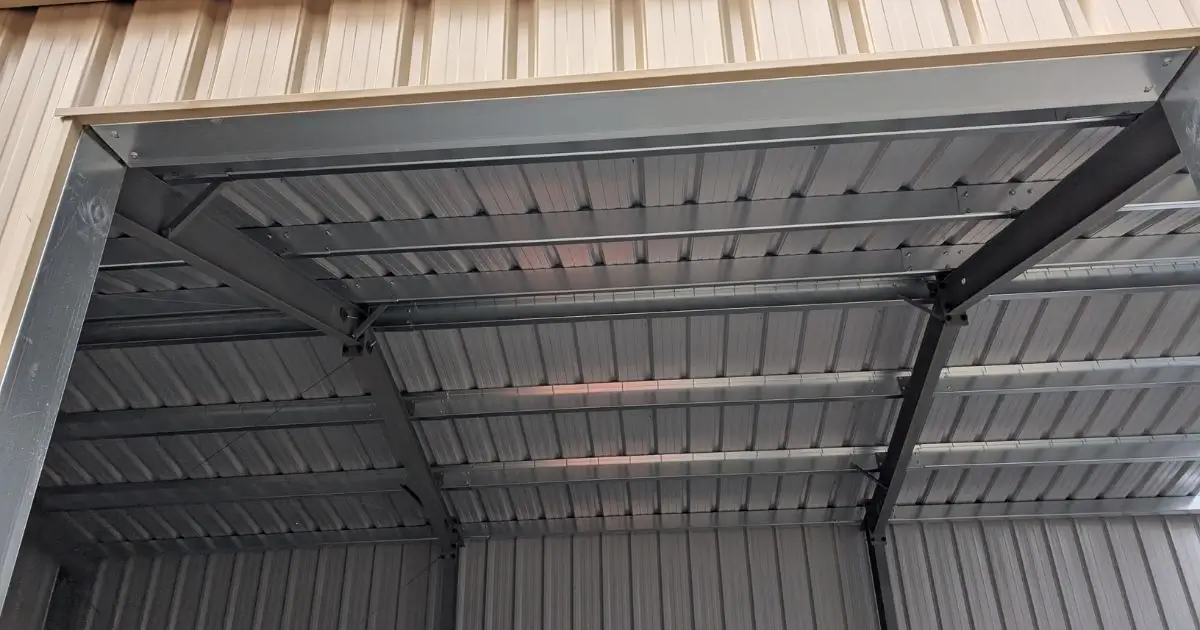
Ontario’s wide temperature range puts unique demands on building envelopes. Steel conducts heat and cold efficiently, meaning it reacts quickly to outside temperatures. Without insulation, interior conditions become uncomfortable and moisture can form inside the building.
The key reasons insulation is vital:
- Condensation Control: Steel surfaces cool rapidly in cold weather. When warm air meets those cold surfaces, it creates condensation that can drip, stain, or lead to corrosion.
- Energy Efficiency: Insulation acts as a barrier, reducing the amount of heat lost in winter and preventing heat buildup in summer.
- Comfort: Whether you’re storing equipment or running a workshop, insulation keeps the space at a more stable temperature.
- Protection of Contents: Tools, vehicles, or inventory are better protected when humidity and condensation are controlled.
In short, insulation helps maintain durability, comfort, and cost-efficiency – all crucial for long-term value.
Understanding How Condensation Forms
Before exploring insulation options, it’s important to understand what causes condensation in uninsulated steel buildings.
When warm indoor air contacts cold steel surfaces, moisture in the air condenses into water droplets. Over time, this can lead to:
- Corrosion of metal panels
- Mold growth on interior finishes
- Damage to insulation or stored materials
- Rusting of tools and vehicles
The problem is common in Ontario’s spring and fall seasons when daytime heat contrasts sharply with cold nights. Installing insulation and a vapor barrier creates a thermal break that prevents condensation from forming in the first place.
How Insulation Improves Building Performance
Insulation is more than a comfort feature – it’s a performance system that influences how your entire building behaves.
Thermal Control
A well-insulated structure slows heat transfer between inside and outside. This makes heating and cooling systems more effective and lowers operational costs.
Moisture Control
Paired with a vapor barrier, insulation reduces moisture infiltration, protecting both the building’s frame and contents.
Sound Control
Insulated metal panels and batts also provide acoustic benefits by reducing echo and outside noise – an advantage for workshops or retail environments.
Structural Longevity
By reducing condensation and corrosion, insulation extends the lifespan of steel cladding and fasteners, preserving your building’s integrity for decades.
Common Insulation Options for Steel Buildings in Ontario
Ontario builders have several choices for insulating steel buildings. The best solution depends on budget, purpose, and desired energy performance.
1. Fiberglass Blanket Insulation
- Description: The most common and cost-effective choice. Fiberglass rolls are placed between framing members and covered with a vapor barrier facing.
- Benefits: Easy installation, moderate cost, good thermal performance (R-10 to R-30).
- Best for: Garages, workshops, and agricultural buildings that need comfort and moisture control without complex installation.
2. Insulated Metal Panels (IMPs)
- Description: Pre-fabricated panels combining steel skins with rigid foam cores. They provide continuous insulation and excellent air sealing.
- Benefits: High R-values (R-20+), modern appearance, and fast installation.
- Best for: Commercial, industrial, and temperature-controlled spaces where efficiency and appearance are priorities.
3. Spray Foam Insulation
- Description: Polyurethane foam sprayed directly onto interior walls or roofs, expanding to fill gaps.
- Benefits: Superior air sealing, eliminates condensation, improves structural rigidity.
- Best for: Retrofits or custom projects requiring precise sealing or irregular shapes.
- Note: Must include fire-rated coatings to meet Ontario Building Code.
4. Rigid Board Insulation
- Description: Dense foam boards installed between framing or over sheeting for high insulation values.
- Benefits: Excellent thermal performance, moisture resistance, and durability.
- Best for: Industrial or agricultural buildings requiring long-term insulation stability.
5. Double-Layer System
- Description: Combines two layers of fiberglass insulation separated by a spacer system, increasing thermal performance.
- Benefits: Reduces heat bridging, improves R-value, and limits condensation.
- Best for: Buildings with HVAC systems or year-round occupancy.
The Role of Vapor Barriers in Ontario Steel Buildings
Insulation alone isn’t enough – vapor barriers play a critical role in controlling moisture migration.
A vapor barrier is a reflective or laminated layer placed between insulation and the interior wall surface. It prevents warm indoor air from penetrating insulation and condensing on the cold steel panels.
Without a vapor barrier, even the best insulation can trap moisture and lose effectiveness. Tower Steel Buildings uses high-quality vapor barrier systems designed specifically for Ontario’s climate and humidity variations.
Energy Efficiency and Long-Term Savings
Well-insulated steel buildings aren’t just comfortable – they are significantly more energy efficient. Proper insulation reduces the load on heating and cooling systems, which can lead to substantial savings.
Estimated Benefits:
- Up to 40% reduction in heating costs during Ontario winters.
- Improved building resale value due to energy performance.
- Lower maintenance costs by preventing corrosion and mold.
Tower Steel’s insulated steel systems are engineered to optimize R-values, minimize thermal bridging, and meet or exceed the energy efficiency standards required by the Ontario Building Code.
When Insulation Is Essential
While all steel buildings benefit from insulation, certain applications absolutely require it for performance and longevity.
Examples include:
- Workshops and garages with heating or cooling systems.
- Warehouses storing temperature-sensitive products or electronics.
- Agricultural buildings protecting livestock or produce.
- Commercial or retail spaces requiring customer comfort.
Even unheated storage structures benefit from insulation and vapor barriers because they minimize condensation that leads to corrosion or rusting.
Tower Steel Buildings’ Approach to Insulation in Ontario
Tower Steel Buildings integrates insulation planning into the design and engineering phase of every project. This ensures the chosen system complements the structure’s framing, panels, and ventilation layout.
Key features of Tower Steel’s insulation approach include:
- Custom-fit insulation systems for specific building types.
- Continuous vapor barriers that protect against condensation.
- Optional double-layer and IMP upgrades for higher efficiency.
- Energy modelling to ensure compliance with Ontario’s building performance standards.
By addressing insulation early, Tower Steel helps clients avoid future issues like condensation, uneven temperatures, or premature wear.
Condensation Prevention Tips for Ontario Builders
Beyond insulation, good construction practices help maintain a dry, durable interior.
Here are practical steps to reduce condensation inside any steel structure:
- Ensure proper ventilation in attics or upper roof spaces.
- Seal gaps and penetrations to prevent air leakage.
- Avoid large temperature swings by maintaining steady indoor heat.
- Keep insulation layers uncompressed for full performance.
- Inspect and replace damaged vapor barrier sections promptly.
These small details can make a big difference in preventing long-term damage.
Conclusion – Insulation Is Not Optional in Ontario
For Ontario’s demanding climate, insulation is not a luxury – it’s a necessity.
It protects your investment, controls condensation, improves comfort, and saves money year after year.
Whether you’re building a small garage or a commercial warehouse, incorporating the right insulation and vapor barrier system is essential for long-term performance.
Tower Steel Buildings offers engineered insulation packages designed for Ontario weather, combining high-quality materials with proven installation techniques. Every system is built for strength, energy efficiency, and durability – ensuring your building performs as well as it looks.
Reviewed by the Tower Steel Buildings Engineering Team
This article was reviewed by the Tower Steel Buildings Engineering Team to ensure technical accuracy and compliance with Ontario building and energy standards.