Steel buildings are often praised for their strength, efficiency, and adaptability. For many standard applications such as storage, light commercial use, or simple workshops, proven structural systems can be adapted quickly and economically.
However, specialized steel buildings operate in a very different category. Facilities such as manufacturing plants, logistics hubs, aircraft hangars, cold storage centres, municipal infrastructure, waste processing buildings, livestock facilities, and long-span industrial structures place far greater demands on design, performance, and long-term durability.
In these projects, engineering is not simply a regulatory requirement. It is the foundation of safety, cost control, operational efficiency, and lifecycle performance.
This article explains why specialized steel buildings require advanced engineering approaches, how they differ from standard structures, and why early technical precision consistently delivers better project outcomes across Canada.
What Makes a Steel Building “Specialized”?
A specialized steel building is not defined by size alone. It is defined by the complexity of loads, operations, environmental exposure, regulatory oversight, and long-term performance expectations.
Common characteristics of specialized steel facilities include:
- Heavy equipment or concentrated loads
- Crane systems or suspended machinery
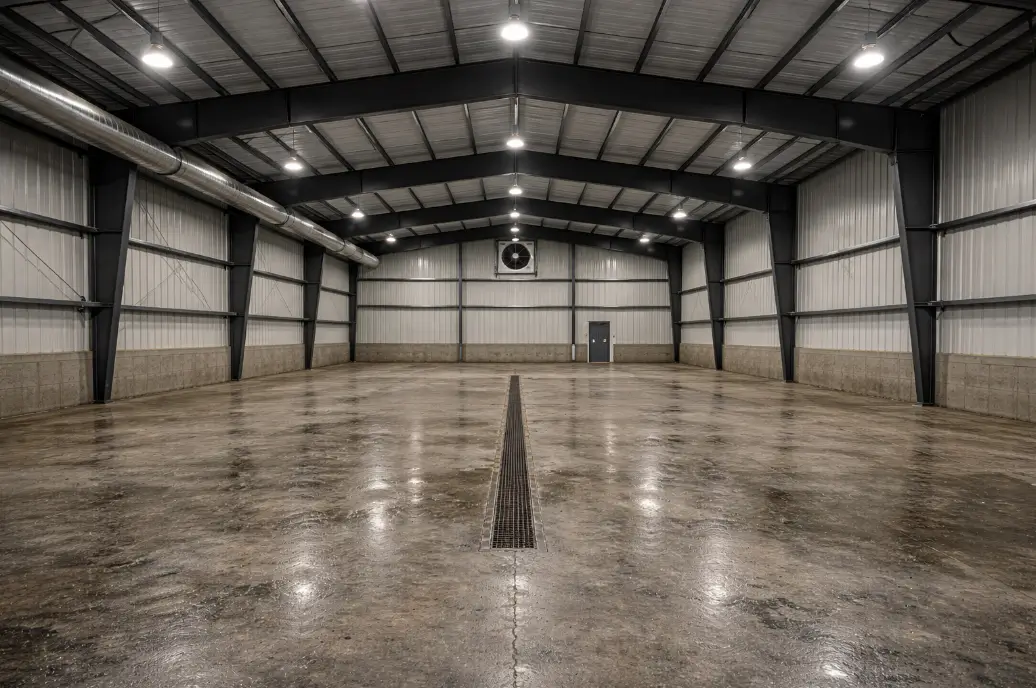
- Long clear spans without interior columns
- High vehicle traffic or industrial vibration
- Moisture, corrosion, or chemical exposure
- Temperature-controlled environments
- High fire separation or safety requirements
- Complex zoning and permitting conditions
Each of these factors fundamentally changes how a steel structure must be engineered.
What works for a simple storage building often becomes insufficient, risky, or costly when applied to specialized operations.
Why Standard Steel Building Designs Fall Short
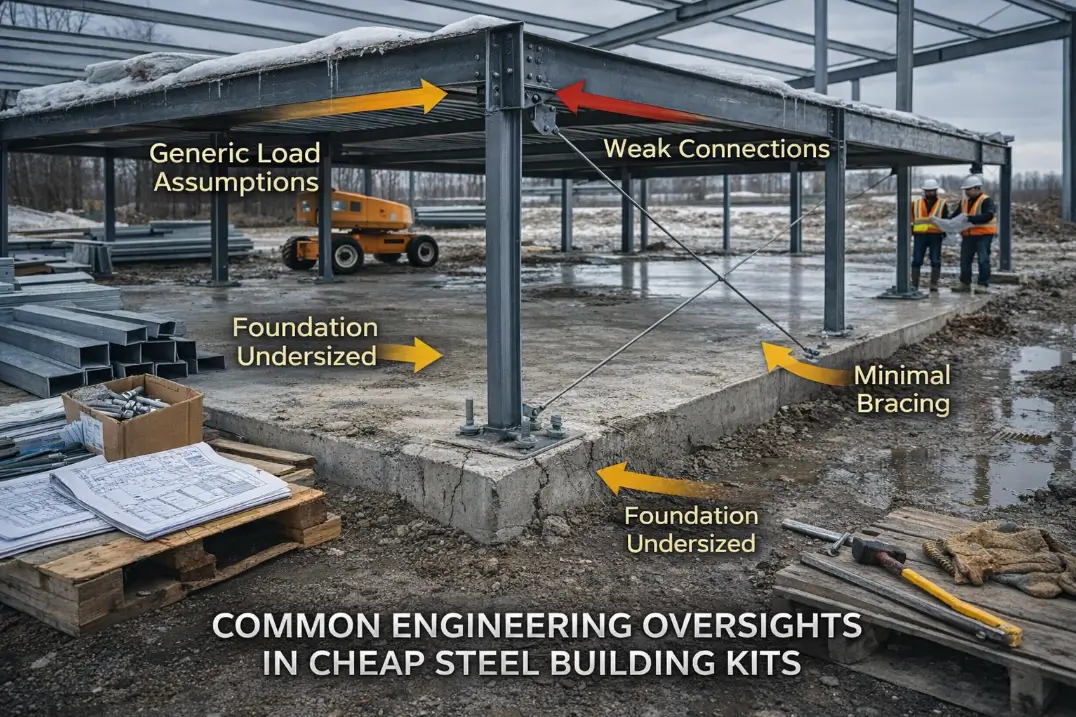
Many steel building systems are based on standardized frame layouts and typical load assumptions. While this approach works well for basic applications, it becomes problematic in specialized environments.
Standardized designs often assume:
- Uniform loading conditions
- Simple foundation reactions
- Minimal operational movement or vibration
- Typical environmental exposure
- Limited future modification
Specialized buildings rarely match these assumptions.
When real-world conditions exceed standard design models, the result is often:
- Foundation settlement
- Structural deflection issues
- Cracking or corrosion
- Operational interference
- Costly retrofits
- Permit delays or redesigns
Advanced engineering replaces assumptions with project-specific analysis.
Load Complexity Increases Dramatically in Specialized Buildings
One of the primary reasons specialized steel buildings require deeper engineering is load behaviour.
In simple buildings, loads are mostly predictable:
- Snow
- Wind
- Dead load of the structure
- Basic occupancy loads
Specialized facilities introduce additional forces such as:
- Overhead cranes and hoists
- Heavy production equipment
- Vehicle impact loads
- Racking systems
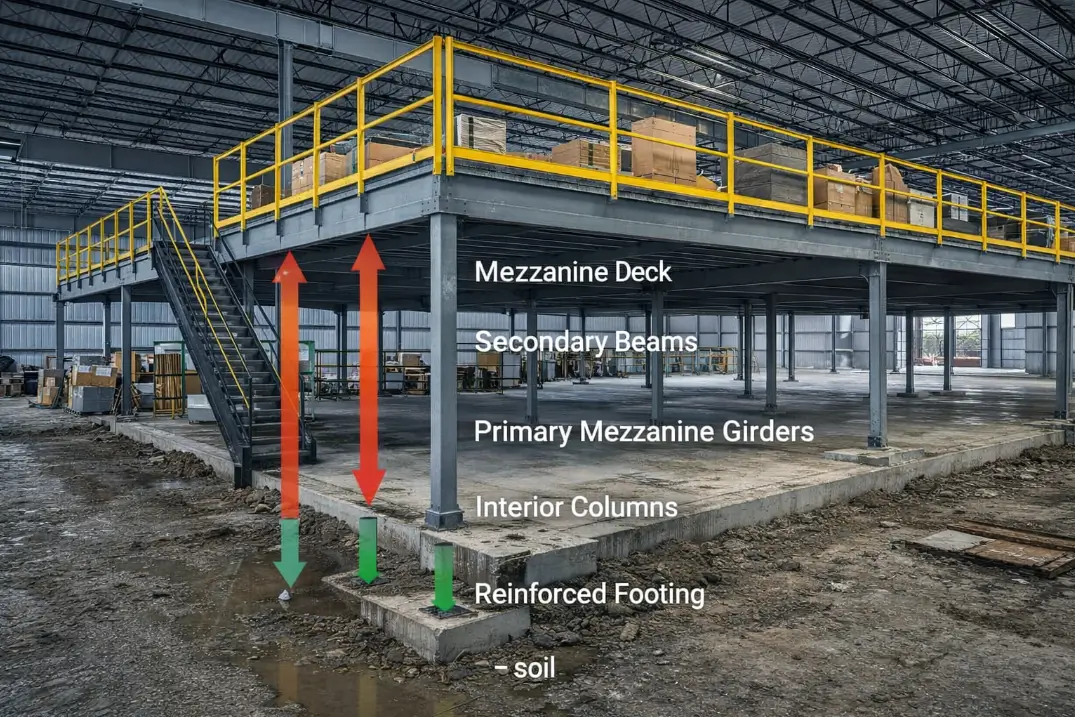
- Elevated mezzanines
- Thermal movement stresses
- Dynamic vibration loads
Each of these must be analyzed independently and in combination.
Advanced engineering ensures:
- Load paths are properly transferred
- Foundations are sized accurately
- Framing systems resist both static and dynamic forces
- Deflection limits protect operations
- Long-term fatigue is controlled
Without this level of analysis, buildings may technically meet code while performing poorly in real-world use.
Environmental Exposure Demands Higher Engineering Precision
Canada’s climate already places heavy demands on steel structures. Specialized facilities often amplify those challenges.
Examples include:
- High humidity environments
- Cold storage and refrigeration
- Livestock operations
- Waste and recycling facilities
- Coastal or salt-exposed sites
- Chemical processing spaces
These environments accelerate corrosion, condensation, thermal stress, and material fatigue.
Advanced engineering evaluates:
- Protective coatings and galvanization
- Drainage and moisture control strategies
- Thermal bridging and insulation design
- Ventilation systems
- Structural detailing to avoid water traps
Small design decisions in these areas often determine whether a building performs well for decades or begins deteriorating within a few years.
Foundation Engineering Becomes Far More Critical
Specialized steel buildings frequently concentrate large loads into relatively small foundation areas.
Examples include:
- Crane columns
- Equipment pads
- High-bay racking loads
- Mezzanine supports
- Vehicle traffic zones
Advanced foundation engineering integrates:
- Geotechnical soil data
- Load distribution modelling
- Frost protection strategies
- Drainage design
- Settlement control
Inadequate foundation coordination is one of the most common sources of project delays and long-term structural problems in specialized facilities.
What appears minor during design often becomes a major cost issue once construction begins.
Long-Span Structures Require Advanced Structural Modelling
Many specialized steel buildings rely on long clear spans to maximize operational flexibility.
Examples include:
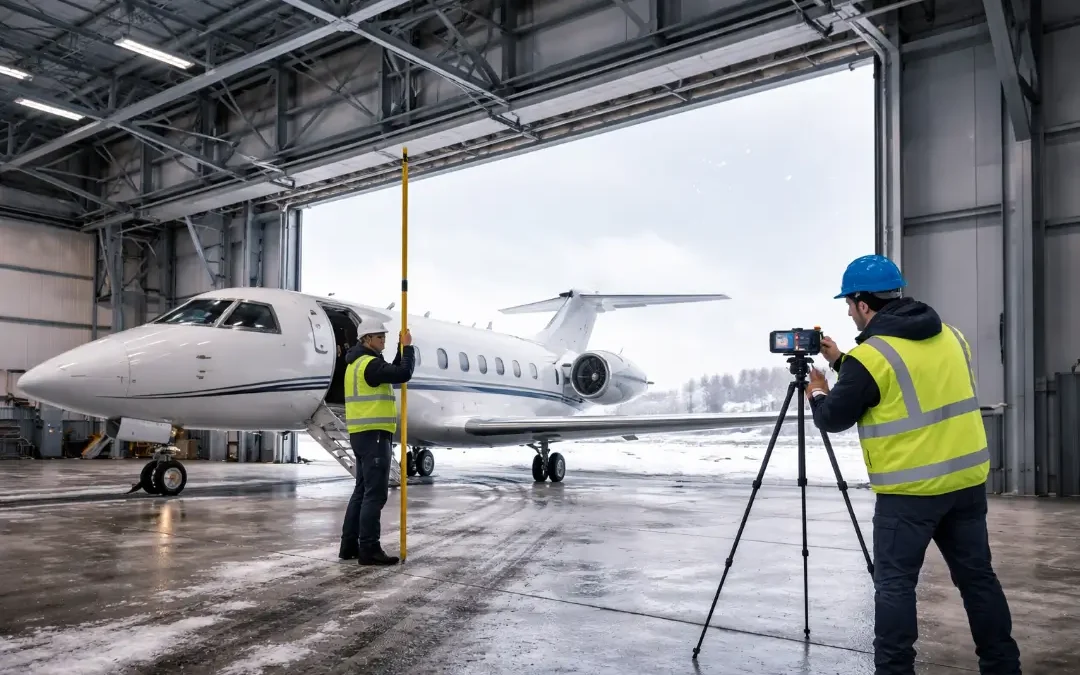
- Aircraft hangars
- indoor riding arenas
- manufacturing bays
- logistics centres
- equipment storage facilities
As spans increase, structural behaviour becomes more complex.
Advanced engineering addresses:
- Frame stiffness
- Lateral stability
- Bracing systems
- Deflection control
- Load redistribution under extreme conditions
Long-span structures tolerate far less design error than smaller buildings. Minor miscalculations can result in noticeable movement, cracking, or serviceability problems.
Precision engineering protects both safety and usability.
Fire Safety and Regulatory Requirements Grow With Complexity
Specialized steel buildings often trigger additional code requirements related to:
- Fire separations
- occupancy classifications
- hazardous materials
- emergency access
- sprinkler systems
- egress design
Advanced engineering integrates structural design with fire and life safety strategies.
This ensures:
- fire ratings are achievable
- penetrations are properly detailed
- structural members remain protected
- approvals proceed smoothly
- insurance expectations are met
Failure to coordinate these systems early frequently results in costly redesigns after permits are submitted.
Operational Efficiency Depends on Engineering Integration
In specialized facilities, the building is not simply a shelter. It is operational infrastructure.
Engineering must align with:
- equipment layout
- workflow paths
- vehicle movement
- storage systems
- future expansion
- maintenance access
Advanced engineering allows:
- optimized bay spacing
- efficient crane travel
- clearances for equipment servicing
- flexible interior planning
- reduced operational bottlenecks
Buildings designed without this integration often function, but inefficiently.
Over time, inefficiency becomes one of the largest hidden costs.
Advanced Engineering Reduces Long-Term Maintenance Costs
Specialized steel buildings are typically long-term investments.
Engineering decisions directly influence:
- corrosion resistance
- structural fatigue
- drainage effectiveness
- insulation performance
- accessibility for repairs
Well-engineered facilities experience:
- fewer leaks
- less structural movement
- reduced corrosion
- lower energy loss
- longer service life
Poorly engineered buildings may require ongoing patching, reinforcement, and system upgrades.
Advanced engineering costs less than decades of correction.
Risk Management Is a Core Engineering Function
Specialized steel projects carry higher financial exposure.
Advanced engineering focuses on identifying and mitigating:
- site risks
- structural vulnerabilities
- coordination conflicts
- environmental exposure
- regulatory complications
Through:
- detailed modelling
- peer review
- coordinated documentation
- staged approvals
- contingency planning
This proactive approach prevents most of the delays and cost overruns that plague complex construction projects.
Why Early Engineering Involvement Matters
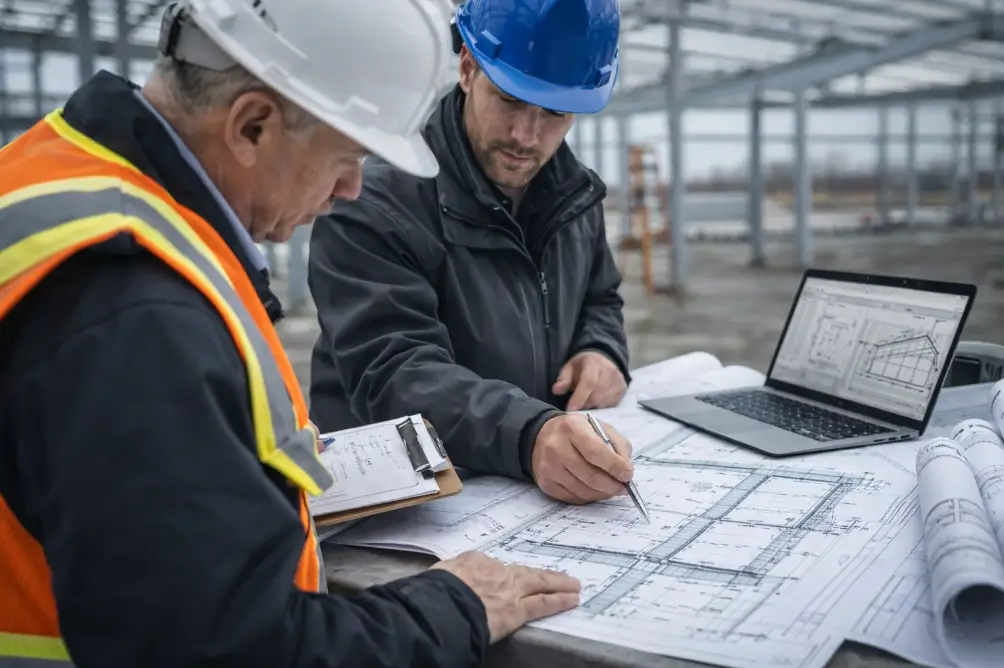
Many project issues originate before steel is ever fabricated.
Advanced engineering early in the process allows:
- realistic budgeting
- accurate scheduling
- smooth permitting
- foundation coordination
- equipment integration
- future expansion planning
When engineering is deferred or minimized, problems surface later when changes are far more expensive.
Early precision always costs less than late correction.
When Advanced Engineering Is Especially Important
While every steel building benefits from proper engineering, it becomes critical when:
- equipment loads are significant
- spans exceed typical warehouse widths
- environmental exposure is severe
- regulatory scrutiny is high
- operations are continuous
- downtime is costly
- future growth is expected
In these situations, advanced engineering is not an upgrade. It is a necessity.
The Difference Between Code-Compliant and Fit-for-Use
A building can meet minimum code requirements and still perform poorly for its intended purpose.
Code compliance ensures safety thresholds.
Advanced engineering ensures:
- operational reliability
- long-term durability
- efficiency
- adaptability
Specialized steel buildings must satisfy both.
The most successful projects treat engineering not as a checkbox, but as a strategic investment.
Engineering as a Performance Driver, Not Just a Cost
In specialized steel construction, engineering directly affects:
- total project cost
- schedule reliability
- operational efficiency
- maintenance burden
- asset value
Well-engineered facilities consistently:
- experience fewer disruptions
- retain higher long-term value
- adapt better to changing needs
- operate more efficiently
Poor engineering almost always results in hidden costs that exceed any initial savings.
A Practical Industry Perspective
Organizations experienced in specialized steel construction, such as Tower Steel Buildings, apply advanced engineering principles by integrating structural design, foundation coordination, operational planning, and regulatory compliance early in the project lifecycle.
This approach reflects what decades of complex projects have consistently proven:
specialized buildings perform best when engineering leads the process, not follows it.
Final Thoughts
Specialized steel buildings operate under far greater demands than standard structures. They carry heavier loads, harsher environments, stricter regulations, and higher performance expectations.
Advanced engineering is what transforms steel from a strong material into a reliable long-term asset.
In complex facilities, success is rarely determined by material thickness or frame size alone. It is determined by how well every force, condition, and operational requirement has been anticipated and engineered into the structure.
In steel construction, specialization without engineering depth is risk.
Specialization supported by advanced engineering is long-term value.
Reviewed by the Tower Steel Buildings Engineering Team
This article has been reviewed by the Tower Steel Buildings Engineering Team to ensure technical accuracy, alignment with Canadian building practices, and real-world applicability across specialized steel building projects.
1. Why do specialized steel buildings require more engineering than standard storage buildings?
Specialized facilities carry complex loads, environmental exposure, and operational demands that go far beyond basic snow and wind design. Advanced engineering ensures proper load transfer, foundation performance, durability, and long-term operational reliability.
2. Can a steel building meet code and still be poorly designed for its use?
Yes. Building codes establish minimum safety requirements, not operational suitability. A structure can be code-compliant while experiencing deflection issues, corrosion problems, workflow interference, or maintenance challenges if it is not engineered specifically for its function.
3. What types of loads make engineering more complex in specialized buildings?
Common complexity drivers include overhead cranes, heavy equipment, racking systems, mezzanines, vehicle traffic, vibration, thermal movement, and concentrated foundation loads. These require detailed structural modelling rather than standard frame assumptions.
4. How does advanced engineering reduce long-term maintenance costs?
Proper engineering controls moisture exposure, corrosion risk, structural movement, insulation performance, and drainage. Buildings designed with lifecycle performance in mind experience fewer leaks, less fatigue, and lower repair costs over decades of use.
5. Is advanced engineering only necessary for very large steel buildings?
No. Even mid-sized facilities can require advanced engineering if they involve heavy equipment, long spans, environmental exposure, or strict regulatory requirements. Complexity is driven by use conditions, not just square footage.
6. Why is early engineering involvement so important?
When engineering begins early, foundations, permits, equipment integration, and scheduling are coordinated properly. Late-stage engineering often leads to redesigns, change orders, delays, and higher overall project costs.
7. How does environmental exposure influence engineering requirements?
Facilities exposed to moisture, chemicals, temperature swings, livestock conditions, or salt require protective detailing, coating strategies, ventilation design, and thermal modelling that standard buildings do not address.
8. What risks increase when engineering is minimized to lower upfront cost?
Common consequences include foundation settlement, structural deflection, corrosion, operational inefficiency, permit issues, and expensive retrofits. Initial savings are often outweighed by long-term correction costs.
9. Do long-span steel buildings always require advanced engineering?
Yes. As spans increase, structural behaviour becomes more sensitive to deflection, lateral forces, and load redistribution. Small design errors can create noticeable movement or serviceability problems in large clear-span structures.
10. How does advanced engineering improve project scheduling?
Accurate load modelling, foundation coordination, and regulatory planning reduce surprises during permitting and erection. Most construction delays originate from incomplete engineering rather than steel fabrication itself.
11. Are specialized steel buildings harder to insure or finance without strong engineering documentation?
Often yes. Insurers and lenders look for clear structural analysis, code compliance, and risk mitigation. Well-engineered projects typically experience smoother approvals and more predictable long-term asset performance.