Across Ontario, farmers, business owners, and property developers are searching for building solutions that are cost-effective, fast to construct, and built to withstand tough Canadian weather. One option that continues to grow in popularity is the post-frame steel building – a versatile, efficient, and affordable structure ideal for both agricultural and commercial use.
Known for their strength, adaptability, and low maintenance, post-frame steel buildings in Ontario have become a go-to choice for barns, workshops, storage facilities, and retail spaces. Companies like Tower Steel Buildings specialize in designing and manufacturing these durable systems to meet the specific needs of Ontario’s diverse industries and climates.
What Is a Post-Frame Steel Building?
A post-frame building is a construction system that uses large vertical posts (or columns) embedded in the ground or anchored to a concrete foundation. The walls and roof are supported by this frame, rather than by interior load-bearing walls. When combined with steel cladding and engineered trusses, the result is a building that’s both strong and economical.
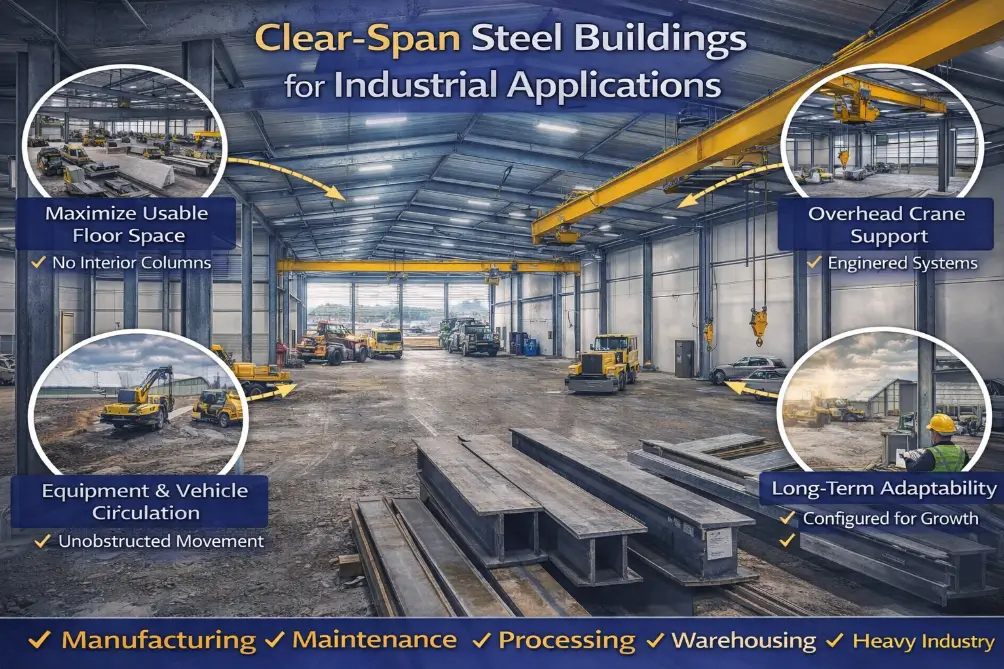
Unlike conventional stick-built structures, post-frame construction requires fewer framing components and allows for large, open interior spaces without the need for interior beams. This makes it an excellent choice for wide agricultural barns, storage facilities, and workshops.
Key Features of Post-Frame Steel Buildings
- Wide, open interiors for flexible use
- Reduced material requirements compared to traditional wood framing
- High wind and snow load capacity
- Fast and cost-efficient installation
- Long-lasting steel panels that resist corrosion and pests
In Ontario, where both rural and commercial properties face snow, humidity, and seasonal temperature shifts, the post-frame design provides reliable strength without unnecessary cost or complexity.
Why Post-Frame Construction Is Ideal for Ontario Farms
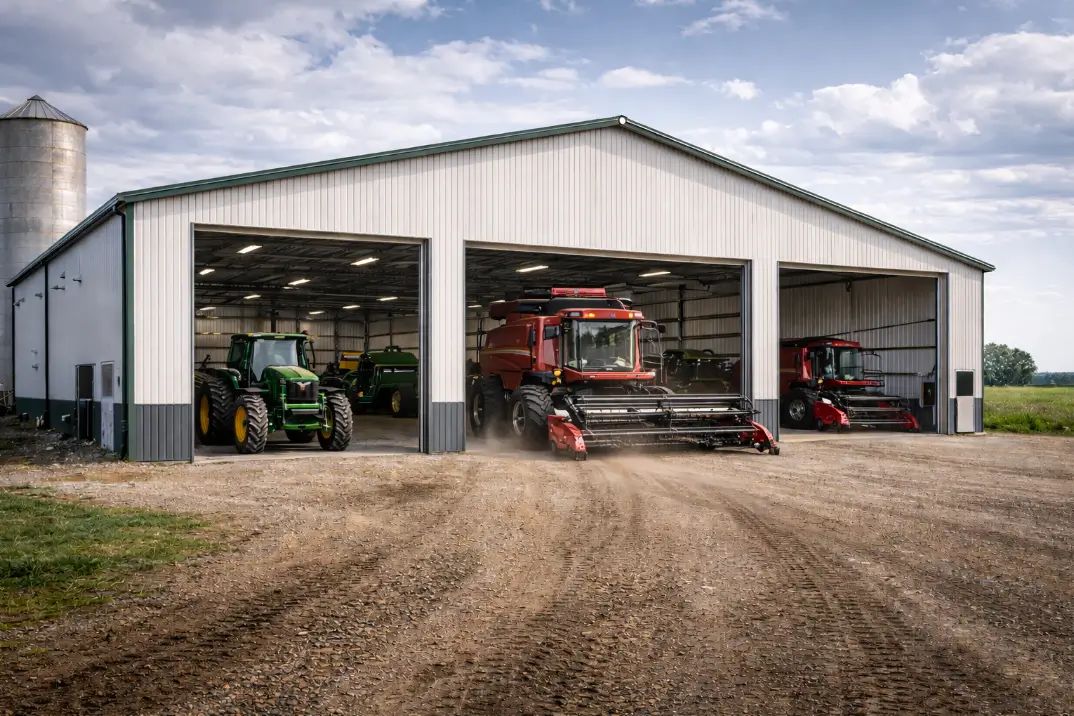
Agricultural operations depend on structures that can perform year after year with minimal maintenance. Steel post-frame buildings are designed for this exact need – offering flexibility for a variety of farm functions, from crop storage to livestock housing.
a. Agricultural Versatility
Farmers can use post-frame steel buildings for multiple purposes, including:
- Equipment storage and workshops
- Livestock barns and shelters
- Grain and hay storage
- Machine sheds and garages
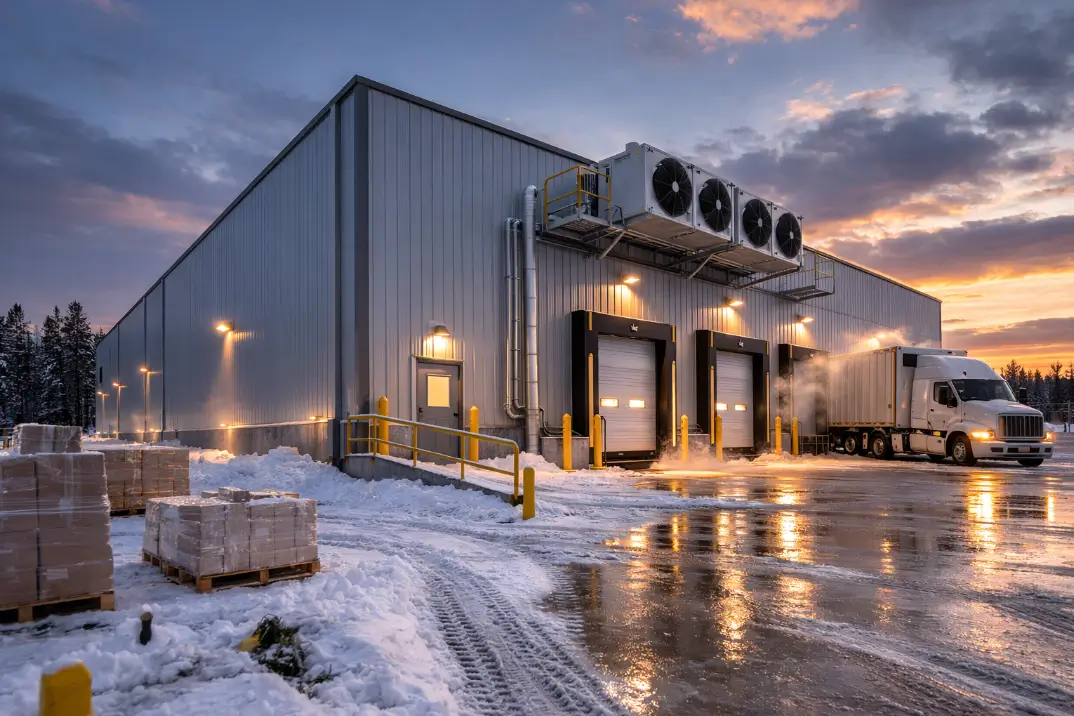
- Cold storage for produce or materials
The open-span design makes it easy to move large equipment, set up pens or stalls, and even convert spaces as farm operations evolve.
b. Durability for Harsh Weather
Ontario’s agricultural regions experience heavy snowfalls and wide temperature fluctuations. Tower Steel Buildings engineers every post-frame structure for specific regional snow and wind loads. Galvanized steel panels and fasteners protect against rust, while insulation and vapor barriers help maintain internal temperature control.
c. Low Maintenance and Long Life
Unlike traditional wooden pole barns that require frequent upkeep, steel cladding won’t rot, warp, or attract pests. A simple wash or inspection once a year keeps the structure in excellent shape, reducing long-term ownership costs.
Commercial Applications of Post-Frame Steel Buildings
Beyond farming, post-frame steel buildings have become popular for commercial and light industrial projects across Ontario. Their affordability and customizable design make them a smart investment for entrepreneurs and developers alike.
a. Retail and Service Spaces
Businesses like garden centres, auto shops, and hardware stores benefit from the wide-span interiors and quick assembly of post-frame designs. Tower Steel Buildings customizes façade finishes and window placements to suit brand requirements and customer flow.
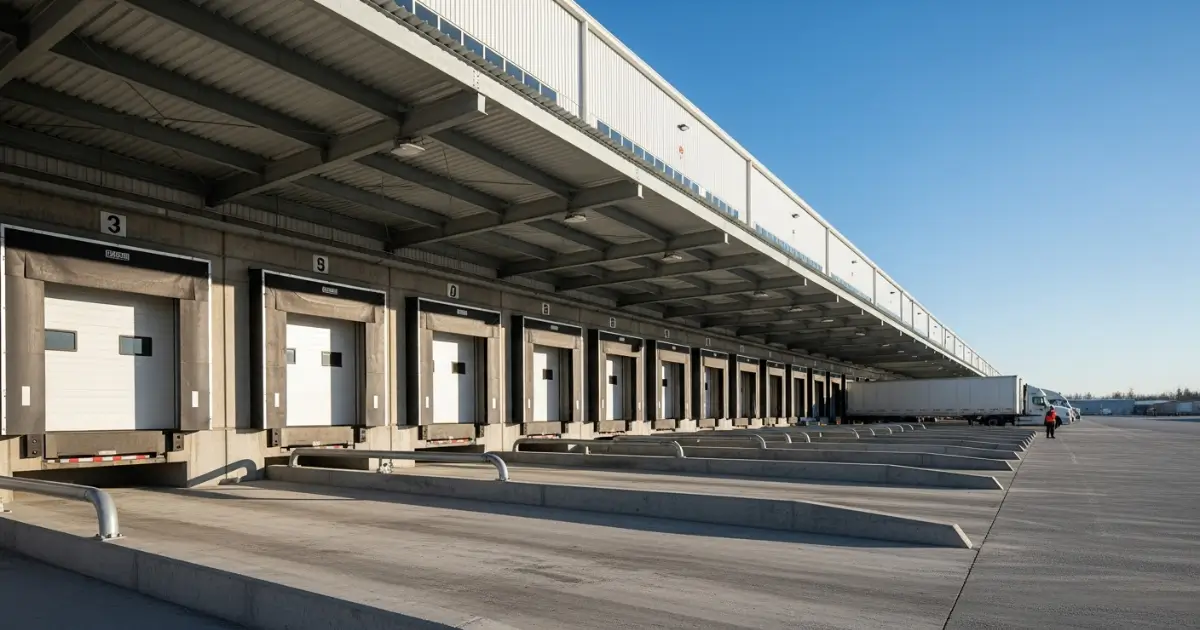
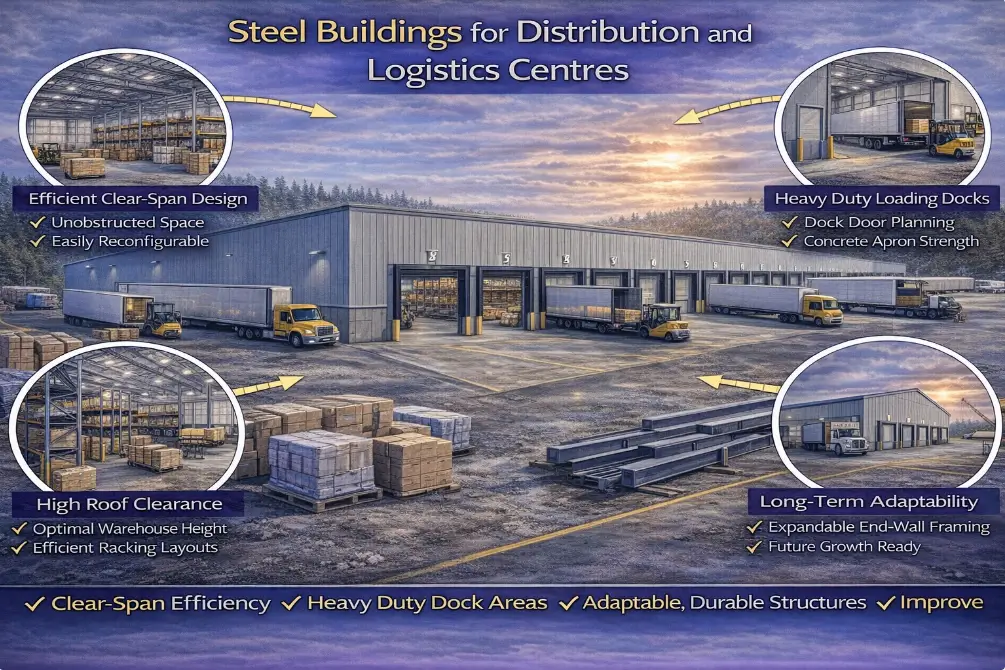
b. Storage and Warehousing
Post-frame construction offers ample vertical space and strong load-bearing capacity, making it perfect for warehouses and inventory storage. Large door openings and flexible layouts make operations more efficient.
c. Light Industrial Workshops
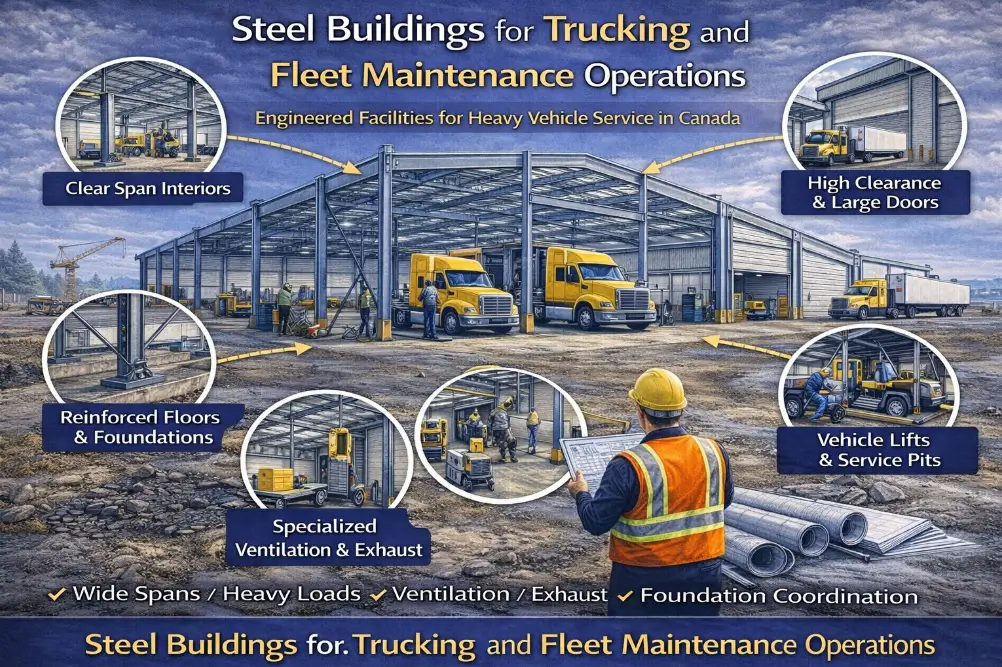
Contractors, mechanics, and small manufacturers often choose post-frame buildings for workshops and fabrication spaces. They can include mezzanines, ventilation, and insulation systems while keeping construction costs manageable.
How Post-Frame Steel Buildings Reduce Construction Costs
One of the most significant benefits of post-frame construction is affordability. Compared to traditional wood or masonry buildings, post-frame steel buildings are faster to erect and require fewer materials – two factors that make them a clear cost-saving option in Ontario’s competitive market.
a. Reduced Foundation Requirements
Because posts can be embedded directly into the ground or anchored on pier footings, the foundation requirements are less extensive than those for conventional construction. This reduces both time and cost in the early stages of the project.
b. Faster Installation
Prefabricated steel components arrive ready to install. Fewer framing members and large panel sections make the assembly process straightforward and efficient, even in winter conditions when traditional projects might stall.
c. Energy and Maintenance Savings
When properly insulated, post-frame steel buildings retain heat efficiently during cold Ontario winters and remain cooler during summer. Combined with low maintenance needs, these energy savings deliver strong long-term value.
d. Longevity
Steel framing and panels offer a lifespan that can exceed 40 years with minimal repairs. This makes post-frame steel construction a sound investment for farms and commercial operations planning for decades of use.
Design Flexibility and Customization
Modern post-frame systems aren’t limited to simple barns. With today’s engineering and architectural tools, they can be customized to look and perform like contemporary commercial structures.
a. Custom Sizes and Layouts
From a compact 30’x40’ workshop to a 100’x200’ agricultural complex, Tower Steel Buildings designs each project to fit the property, use, and regional building codes. Clear-span interiors allow maximum open space without central supports.
b. Aesthetic Choices
Steel panels come in a wide variety of colours and profiles. Clients can combine horizontal or vertical panel layouts, wainscoting, and accent trims for a modern or traditional appearance.
c. Functional Upgrades
Post-frame steel buildings can integrate:
- Overhead or sliding doors for large vehicle access
- Skylights and natural lighting
- Insulated walls and ceilings
- Ventilation systems
- Concrete floors or frost walls for durability
Every structure is engineered to meet Ontario Building Code (OBC) requirements and tailored for its intended use.
Environmental Advantages
Steel is one of the most sustainable building materials available. For environmentally conscious builders and farmers in Ontario, post-frame steel buildings offer several eco-friendly advantages.
- Recyclable Materials: Steel can be reused indefinitely without losing strength.
- Reduced Waste: Prefabrication minimizes leftover materials and job-site waste.
- Energy Efficiency: Reflective roof panels and high R-value insulation lower heating and cooling costs.
- Longevity: Long service life means fewer materials consumed over time.
Tower Steel Buildings uses high-quality Canadian steel and energy-efficient coatings to meet both structural and environmental goals.
Why Tower Steel Buildings Leads Ontario’s Post-Frame Market
When choosing a post-frame steel building manufacturer in Ontario, experience and precision matter. Tower Steel Buildings has decades of expertise in engineering and constructing steel-framed systems for agricultural, commercial, and industrial clients.
a. Certified Engineering
Every Tower Steel structure is engineered and reviewed by Ontario-certified professionals who understand local soil, frost, and weather conditions.
b. Local Manufacturing
All steel components are fabricated in Ontario using domestic materials. This ensures quality control, faster delivery, and compliance with Canadian standards.
c. Custom Design and Support
Tower Steel Buildings works closely with each client to design layouts, select finishes, and integrate optional features like insulation, doors, or windows. The result is a building that’s both functional and visually appealing.
d. Reliable Installation Network
Through partnerships with certified erection crews, Tower Steel ensures each project is installed safely and efficiently, minimizing downtime for farm and business owners.
Cost Guide for Post-Frame Steel Buildings in Ontario
While pricing varies by design, size, and features, post-frame steel buildings are among the most economical construction options available.
| Building Type | Estimated Cost Range (per sq. ft.) |
| Small Farm or Storage Building | $25 – $35 |
| Medium Agricultural or Workshop | $30 – $45 |
| Large Commercial or Industrial | $40 – $55 |
These figures include design, materials, and basic assembly. Additional costs for insulation, electrical work, or concrete flooring depend on the project’s scope and specifications.
Tower Steel Buildings provides transparent, custom quotes so clients understand exactly what’s included – no hidden fees or surprises.
Building for Ontario’s Future
With the province’s growing agricultural and industrial sectors, demand for reliable and affordable structures will continue to increase. Post-frame steel buildings meet this need perfectly – combining durability, versatility, and value in a system designed for Canada’s conditions.
As one of Ontario’s leading steel building manufacturers, Tower Steel Buildings continues to support farms, contractors, and entrepreneurs with high-quality designs that stand the test of time. Whether you’re storing equipment, expanding a workshop, or constructing a retail space, post-frame steel buildings provide the strength and savings you can count on.
Reviewed by the Tower Steel Buildings Engineering Team
This article was reviewed and verified by the Tower Steel Buildings Engineering Team for structural and code accuracy, ensuring compliance with Ontario Building Code and CSA standards.