Engineering and Designing Your Steel Building in Ontario – Expert Guide
A successful steel building in Ontario starts with disciplined engineering. Before a single anchor bolt is set, you need clear performance targets, verified climate and soils data, and an integrated workflow from concept through permit, fabrication, and erection. This guide outlines the process that professional teams follow to produce safe, efficient, and cost-effective results across the province. It mirrors how Tower Steel Buildings delivers projects using connected analysis, detailing, and fabrication tools that keep drawings, parts, and loads in sync.
Define purpose, performance, and constraints
Every design begins with a basis of design that captures how the building will be used and how it must perform.
Use and operations
- Occupancy and function: garage, workshop, warehouse, retail, mixed use
- Interior conditions: unheated, tempered, or heated
- Clear height, crane loads, mezzanines, office pods, and floor loads
- Door schedule: number, size, lift type, and apron geometry for vehicles
Constraints and context
- Property zoning, setbacks, lot coverage, and height limits
- Site access for trucks and cranes, winter snow storage, fire access routes
- Utility availability: hydro, gas or propane, water and sanitary, data
- Neighbouring uses that may trigger fire separations or façade expectations
The outcome is a written basis of design that anchors decisions and avoids rework later.
Gather Ontario-specific inputs for loads and foundations
Engineering accuracy depends on verified inputs, not assumptions.
Geotechnical
- Soil bearing capacity and frost depth
- Groundwater and drainage considerations
- Recommendations for slab subbase, vapor barrier, and insulation
Climate and exposure
- Snow loads by municipality, including drift and sliding checks
- Wind exposure category based on terrain and building height
- Seismic parameters per Ontario Building Code
- Design temperatures that influence envelope detailing and thermal breaks
Tower Steel collects these inputs at project start and ties them to calculation models so every member size reflects real conditions.
Map the compliance path
Ontario projects must follow the Ontario Building Code and relevant CSA standards. Identify the references that govern your design and show where each requirement is met.
Typical references
- OBC Part 4 for structural loads and design
- OBC Part 3 for life safety where applicable
- CSA S16 for steel design
- CSA G40.21 for material specifications
- CSA A23.1 and A23.3 for concrete materials and design
- OBC Part 12 and municipal energy bylaws for envelope performance
Create a simple compliance matrix that points reviewers to the sheet, note, or detail that closes each requirement. This shortens permit cycles.
Select an efficient structural scheme
With loads and code path defined, choose a framing approach that balances cost, speed, and future flexibility.
Frame options
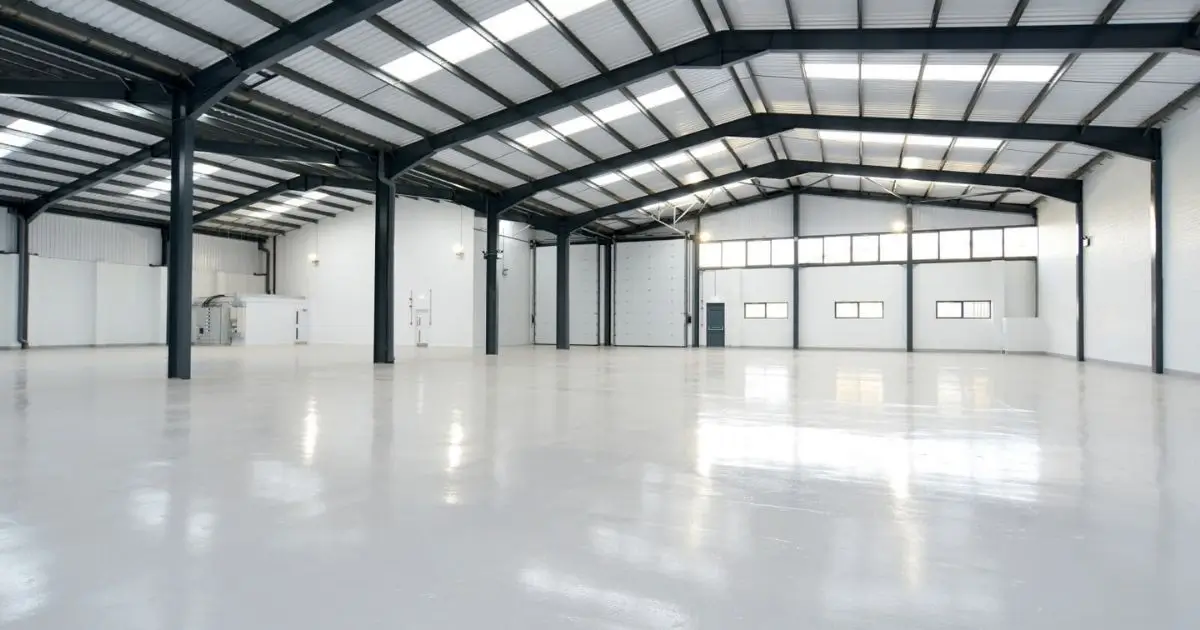
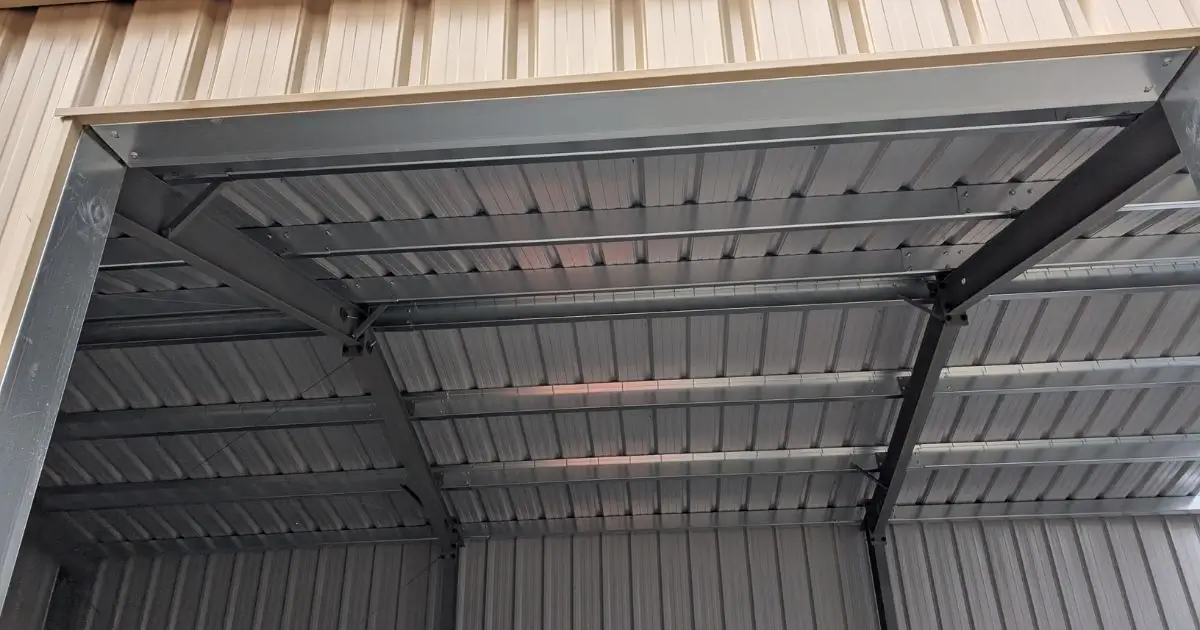
- Rigid frames with tapered columns for clear spans and efficient steel weight
- Multi-span frames where interior columns reduce tonnage on very wide buildings
- Braced frames or moment frames to manage lateral loads and drift
- Secondary members selected for span and deflection limits that protect cladding
Architecture and layout
- Roof slope that suits snow shedding and drainage strategy
- Door and window placement for workflow, daylight, and ventilation
- Façade options including insulated metal panels, single skin with liner, or mixed finishes
- Structural allowances for tenant improvements and future expansion bays
Tower Steel’s designers build these choices directly into the model so architecture and structure evolve together.
Run the numbers: loads, members, and connections
This is the heart of steel building engineering in Ontario. Load cases are established, combinations are set, and member sizes are calculated to meet both strength and serviceability.
Load cases and combinations
- Dead, live, snow, wind uplift and lateral, and seismic
- Combinations per OBC and CSA S16
- Serviceability checks for deflection and drift that protect overhead door operation and panel performance
Member design
- Rafters and columns designed for combined axial and bending
- Purlins and girts sized for strength and deflection criteria
- Bracing sized to control sway during erection and in service
Connections
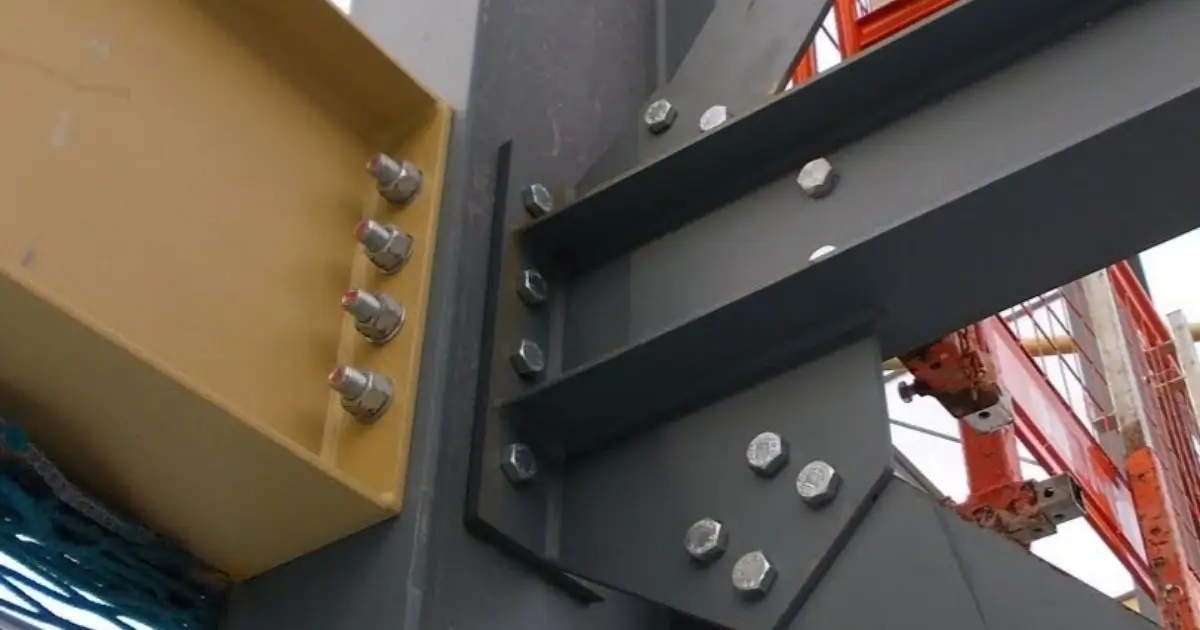
- Bolted and welded joints sized for capacity and constructability
- Diaphragm action through roof and wall sheeting where permitted
- Base plates and anchor rods coordinated with foundation design
Tower Steel advantage
The company links analysis software to detailing tools so member sizes and connection forces flow into shop drawings and bills of material without manual transcription. This digital thread improves accuracy and review speed.
Engineer the foundation to match real reactions
Foundations must reflect actual frame reactions and local soils, not rules of thumb.
Key steps
- Convert column reactions into footing sizes and reinforcing schedules
- Set frost protection per geotechnical report
- Detail anchor rods, grout, and base plate leveling for true load transfer
- Provide slab thickening, dowels, and jointing for forklift aisles and point loads
A precise anchor bolt template is critical. Tower Steel issues templates tied to the final model so field placement matches the steel.
Design the envelope for thermal and moisture control
Comfort and durability rely on a continuous air, thermal, and moisture strategy tuned to Ontario winters and humid summers.
Thermal options
- Insulated metal panels for high R-value and clean interior finishes
- Layered batt systems with interior liner and sealed vapor barrier
- Continuous insulation details that reduce thermal bridging at girts and eaves
Moisture and air
- Vapor barrier placed on the warm side for heated occupancies
- Sealed penetrations at doors, windows, and mechanical curbs
- Ventilation through ridge vents, louvers, or fans where processes add humidity or fumes
Include expansion allowances and proper fastener schedules to protect seals and coatings over the building’s life.
Coordinate early with mechanical and electrical
Clash-free drawings save weeks in the field. Structural engineers should reserve zones for services and show reinforcing where penetrations occur.
Coordination checklist
- Roof openings and curbs located with structural reinforcing
- Clear routing zones for ducts, gas lines, and cable trays
- Transformer pads, service entrances, and grounding details
- Exterior lighting and snow guard layout that respect cladding fasteners
Tower Steel’s coordinated models reduce costly field modifications and keep erection crews productive.
Produce clear design drawings and structural steel plans
Reviewers and erectors rely on legible, consistent documents. Your design drawings in Ontario should present the load path clearly and repeat critical dimensions where needed.
Permit and construction deliverables
- General arrangement plans, elevations, and sections
- Framing plans with member sizes, grids, and bracing layouts
- Connection details and notes keyed to standards
- Foundation plans with reinforcing schedules and anchor rod details
- Envelope details at base, corners, openings, and parapets
- Door, window, and louvre schedules with hardware notes
Fabrication and erection
- Part and assembly drawings with marks that match erection plans
- Bolt lists and weld symbols that align with calculations
- Erection drawings with lift points, temporary bracing, and sequence notes
Tower Steel’s connected detailing keeps these sets aligned so shop, field, and permit drawings agree line for line.
Submit for permit and plan inspections
A complete submission reduces cycles and protects the schedule.
Typical municipal package
- Application forms and fees
- Engineer-stamped structural and foundation drawings
- Energy compliance summary for heated buildings
- Site plan with setbacks, grading, and servicing notes
Inspections to plan for
- Footings before concrete pour
- Anchor rod placement and base plate setting
- Structural framing and connections
- Insulation and vapor barrier for heated occupancies
- Final occupancy review
Tower Steel supports clients during review and can provide letters of review or field reports when an inspector requests them.
Procure materials and manage quality
Material quality and fabrication discipline lock in engineering intent.
Procurement
- Structural steel to CSA G40.21 with mill certificates
- Fasteners and weld consumables matched to design strengths and coatings
- Cladding, trims, and sealants with published performance data
Fabrication quality
- Dimensional checks for member length, hole patterns, and camber
- Weld procedure qualification and inspection logs
- Trial fit for complex frames or long rafters
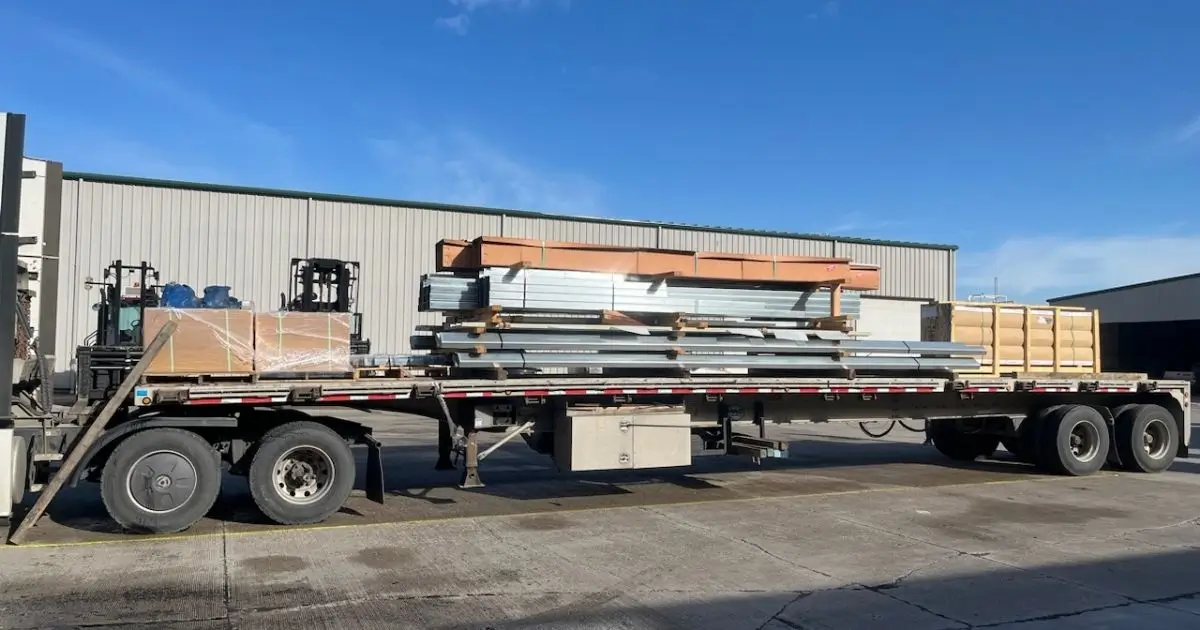
Local manufacturing gives Tower Steel tight control over schedule and inspection. Issues are resolved within hours, not weeks.
Plan erection and site logistics
Good planning prevents lost days and keeps the crew focused on productive work.
Site readiness
- Graded laydown area within crane radius
- Access for long trailers in winter conditions
- Offload plan that follows the erection sequence and part tags
Safety and stability
- Temporary bracing plan stamped where required
- Lift studies for heavy rafters and tall columns
- Contingencies for wind events or freezing rain
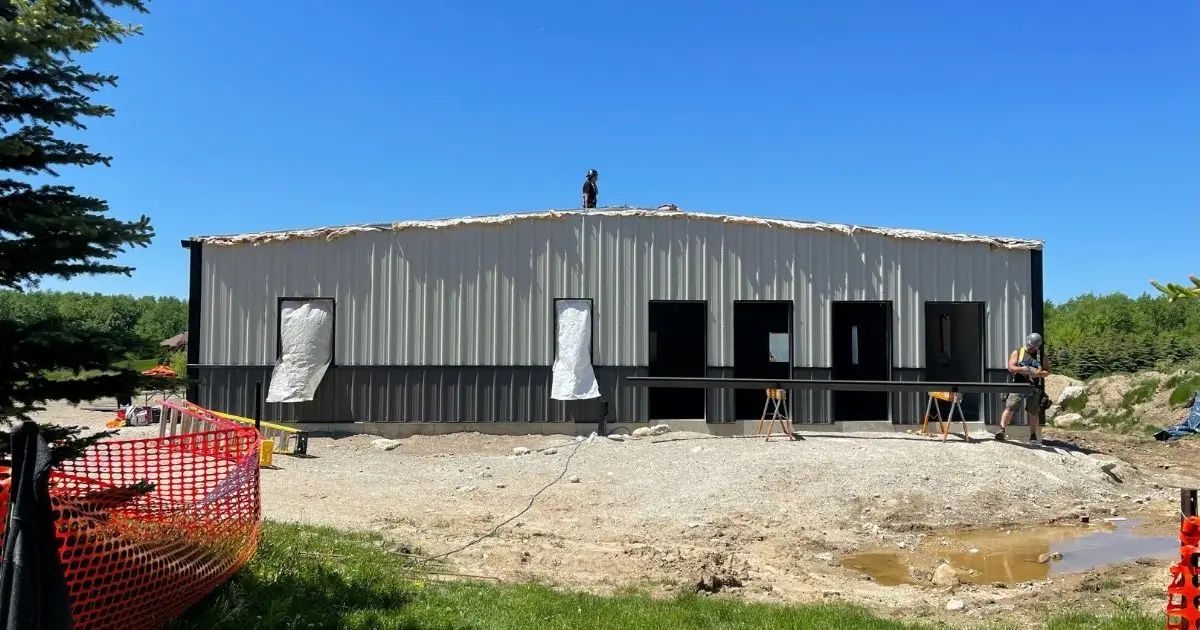
A clean, well-sequenced build reduces damage, protects finishes, and shortens punch lists.
Commission, close out, and protect the asset
Finish with documentation that preserves value and supports maintenance.
Closeout package
- As-built drawings that capture field changes
- Product data sheets and warranties for cladding and coatings
- Inspection records and letters of review if requested
Maintenance plan
- Annual torque checks at high-load connections and door headers
- Sealant and flashing review after freeze-thaw seasons
- Wash schedule for roadside or marine environments to protect finishes
Clear documentation helps owners manage the building responsibly and supports resale value.
Common Ontario pitfalls and how to avoid them
- Skipping the soils report, which triggers footing redesigns and delays
- Underestimating snow drift at step roofs and near parapets
- Leaving ventilation decisions to the end, leading to condensation issues
- Misaligned door aprons that complicate snow management and vehicle access
- Uncoordinated roof penetrations that compromise air and vapor seals
Prevent these issues by holding early coordination reviews, keeping a single source of truth for drawings, and freezing design before fabrication.
How Tower Steel Buildings ensures engineering accuracy
Tower Steel Buildings uses integrated analysis, detailing, and nesting software to link loads, member sizes, and connection forces directly to fabrication files. That digital link reduces transcription errors, speeds engineering reviews, and keeps shop drawings aligned with the permit set.
What clients can expect
- Ontario-licensed P.Eng seals for structure and foundations
- Model-based coordination with mechanical, electrical, and grading
- Optimized member sizes that balance performance and steel weight
- Envelope details tuned for Ontario energy and moisture control
- Transparent, itemized quotations tied to drawings, not assumptions
The result is a building that goes together cleanly, passes inspections, and performs through Ontario winters with predictable operating costs.
Do small garages require engineer-stamped drawings in Ontario?
Yes. Municipalities expect engineer-stamped structural and foundation drawings for steel buildings of any size.
How are snow and wind loads determined?
Loads are taken from the Ontario Building Code and adjusted for exposure, roof slope, and geometry. Calculation notes show the exact values used.
Can the structure be designed for a future mezzanine or crane?
Yes. It is often cheaper to design for future loads now. Frames and foundations can be sized to accept later additions.
Which insulation approach is best for heated shops?
Insulated metal panels provide high R-value and clean interiors. A batt and liner system with a sealed vapor barrier is a cost-effective alternative.
What is a realistic schedule for engineering and permitting?
Two to six weeks for engineering depending on complexity, and three to eight weeks for municipal review depending on local workload and submission quality.