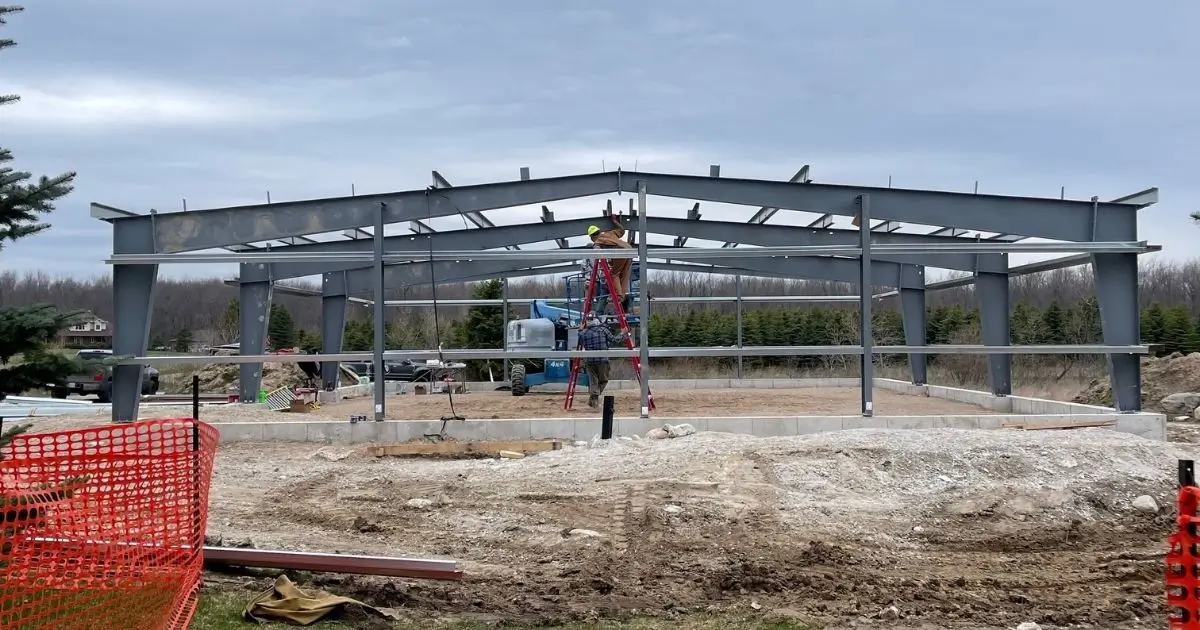
Steel Building Site Preparation in Ontario – Checklist for a Flawless Foundation
Every strong steel building starts with one thing – a solid foundation. Whether you’re building a garage, warehouse, or workshop, preparing your site properly sets the stage for long-term structural stability.
In Ontario, where soil conditions, frost depth, and drainage can vary widely, site preparation is just as important as the steel structure itself. Poor groundwork can lead to uneven settling, drainage issues, or even premature foundation cracking.
This guide walks you through a detailed checklist for steel building site preparation in Ontario, with professional insights from Tower Steel Buildings, a trusted Ontario manufacturer known for its engineer-stamped foundation drawings and construction-ready support.
1. Confirm Zoning and Permits
Before breaking ground, check your local zoning and building permit requirements. Municipal bylaws across Ontario dictate where and how you can build.
Checklist:
- ✅ Verify property zoning allows your steel building’s use (residential, commercial, or agricultural).
- ✅ Obtain any required zoning compliance letter or building permit.
- ✅ Review setback distances from property lines and other structures.
- ✅ Ensure your project meets Ontario Building Code (OBC) standards for foundation design.
Tower Steel Tip:
Tower Steel Buildings provides engineer-stamped structural and foundation drawings, which help clients get faster municipal approval and avoid costly revisions.
2. Conduct a Soil Test
Soil testing is one of the most overlooked yet vital steps in site preparation. Ontario’s landscape varies from dense clay in the GTA to sandy loam in northern and eastern regions. Understanding your soil composition ensures the foundation is engineered correctly.
Checklist:
- ✅ Hire a geotechnical engineer or local soil testing service.
- ✅ Determine bearing capacity (typically 75–150 kPa for light commercial steel structures).
- ✅ Identify frost depth – in Ontario, minimum design frost depth is 1.2 metres (4 feet).
- ✅ Test for groundwater levels and drainage suitability.
- ✅ Address soft or organic soil by replacing it with compacted granular material.
Tower Steel Tip:
Tower Steel’s engineers use soil test data to design foundations that resist heaving and settling under Ontario’s freeze-thaw cycles.
3. Clear and Level the Site
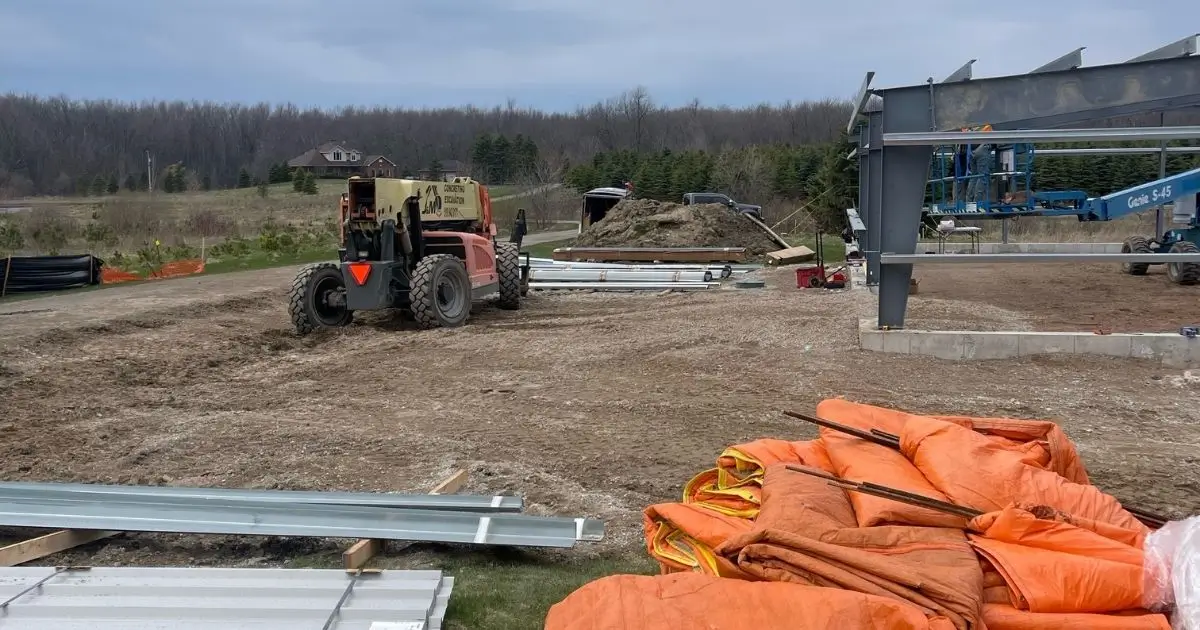
Once your permits and soil data are ready, it’s time to clear the land and create a level pad for construction.
Checklist:
- ✅ Remove trees, brush, topsoil, and any organic material.
- ✅ Excavate unsuitable soil and replace with compactable fill.
- ✅ Grade the area to ensure a slight slope (2–5%) away from the building for proper drainage.
- ✅ Compact soil to meet design specifications (usually 95% Standard Proctor density).
- ✅ Verify finished pad elevation using a laser level or surveyor’s equipment.
Pro Tip:
Avoid building directly on topsoil or uncompacted fill – it can cause settlement and cracking over time.
4. Plan for Drainage
Water management is crucial in Ontario, especially during spring thaw and heavy rain. Proper drainage prevents water pooling under the foundation, protecting both the concrete and the steel frame.
Checklist:
- ✅ Create a grading plan that diverts water away from the building footprint.
- ✅ Install French drains or weeping tiles around the foundation if necessary.
- ✅ Extend downspouts or eavestroughs away from the base.
- ✅ Include a gravel base layer beneath concrete slabs for moisture control.
- ✅ Ensure surface runoff flows toward designated drainage zones or ditches.
Tower Steel Tip:
Tower Steel engineers include drainage recommendations within foundation drawings, tailored to each site’s conditions.
5. Choose the Right Foundation Type
Ontario’s climate demands foundations that can handle freeze-thaw cycles, heavy snow loads, and variable soil strength. The ideal foundation depends on your building type, soil quality, and use case.
Common Foundation Options for Ontario Steel Buildings:
| Foundation Type | Best For | Key Features |
| Concrete Slab-on-Grade | Garages, workshops | Cost-effective, easy to pour, minimal excavation |
| Pier Foundation | Agricultural or small buildings | Less concrete, good for uneven terrain |
| Grade Beam Foundation | Large buildings, poor soil | Transfers loads between piers or footings |
| Frost Wall Foundation | Cold climates, heated spaces | Deep foundation below frost line for insulation |
Checklist:
- ✅ Select foundation type based on structural design.
- ✅ Verify it meets frost depth and local engineering standards.
- ✅ Include anchor bolt layout for steel frame connection.
Tower Steel Tip:
Tower Steel’s foundation drawings include anchor bolt plans and rebar layouts designed to match each building’s dimensions.
6. Prepare the Gravel Base
Before pouring concrete, a properly installed granular base layer ensures drainage and stability.
Checklist:
- ✅ Use 4–6 inches of compacted granular A or B material.
- ✅ Level and compact in layers (2-inch lifts).
- ✅ Maintain consistent thickness across the building footprint.
- ✅ Add a vapour barrier if required (especially for heated buildings).
Why It Matters:
A compacted gravel base prevents frost heave, improves drainage, and provides a uniform support surface for the concrete slab.
7. Install Formwork and Reinforcement
Strong, straight formwork determines the accuracy of your slab edges and wall alignment.
Checklist:
- ✅ Use treated lumber or steel form boards for perimeter edges.
- ✅ Check corners for squareness using the 3-4-5 method or laser alignment.
- ✅ Add reinforcing mesh or rebar grid per engineer’s design.
- ✅ Include anchor bolt templates or sleeves for steel column installation.
Tower Steel Tip:
Always match anchor bolt placement to the engineer-stamped Base Plate Layout Drawing provided by Tower Steel to avoid alignment errors.
8. Pouring and Curing the Concrete
Proper concrete pouring and curing are critical for long-term durability and strength.
Checklist:
- ✅ Use concrete with a minimum compressive strength of 25–30 MPa.
- ✅ Pour during mild weather (avoid freezing or extreme heat).
- ✅ Vibrate concrete lightly to remove air pockets.
- ✅ Finish surface to required smoothness or texture.
- ✅ Allow at least 7 days for initial curing before heavy loads or steel installation.
- ✅ Keep the surface moist to prevent early cracking.
Tower Steel Tip:
Always verify anchor bolt positions after pouring to ensure alignment with column base plates.
9. Site Inspection and Final Checks
Before construction begins, inspect your completed foundation for accuracy and readiness.
Checklist:
- ✅ Confirm slab elevation matches design drawings.
- ✅ Check bolt spacing and alignment.
- ✅ Inspect surface level and edge straightness.
- ✅ Verify drainage slopes are maintained.
- ✅ Review with your building inspector or engineer for approval.
Tower Steel Tip:
Tower Steel’s engineering team reviews foundation photos and measurements for clients to ensure the site meets structural requirements before steel delivery.
10. Preparing for Delivery and Erection
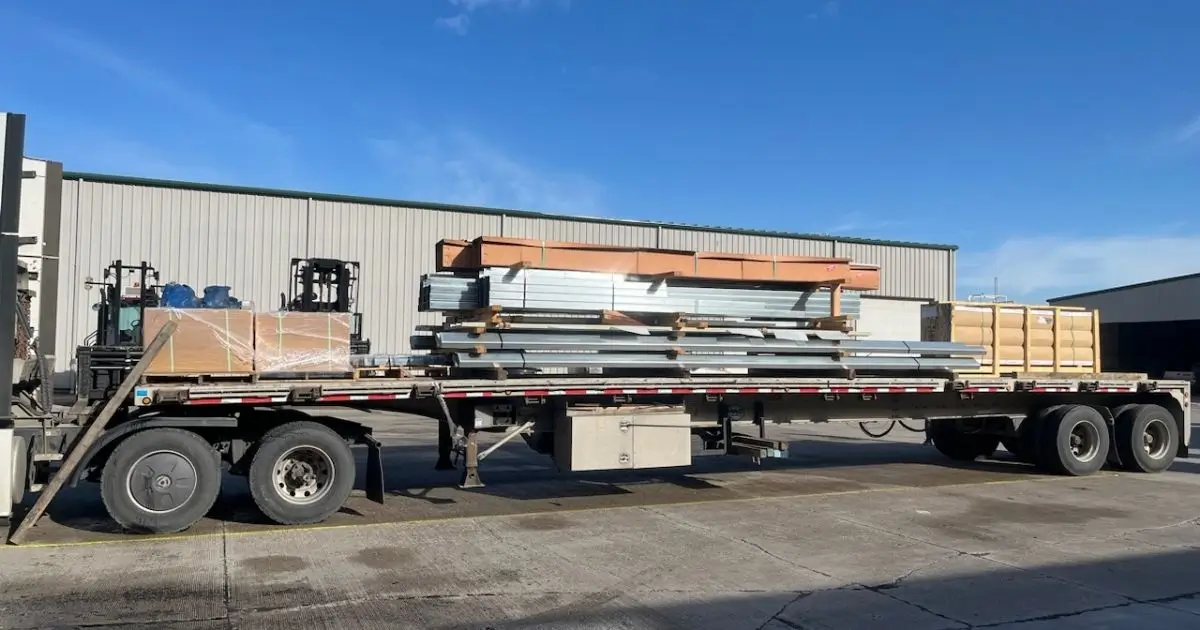
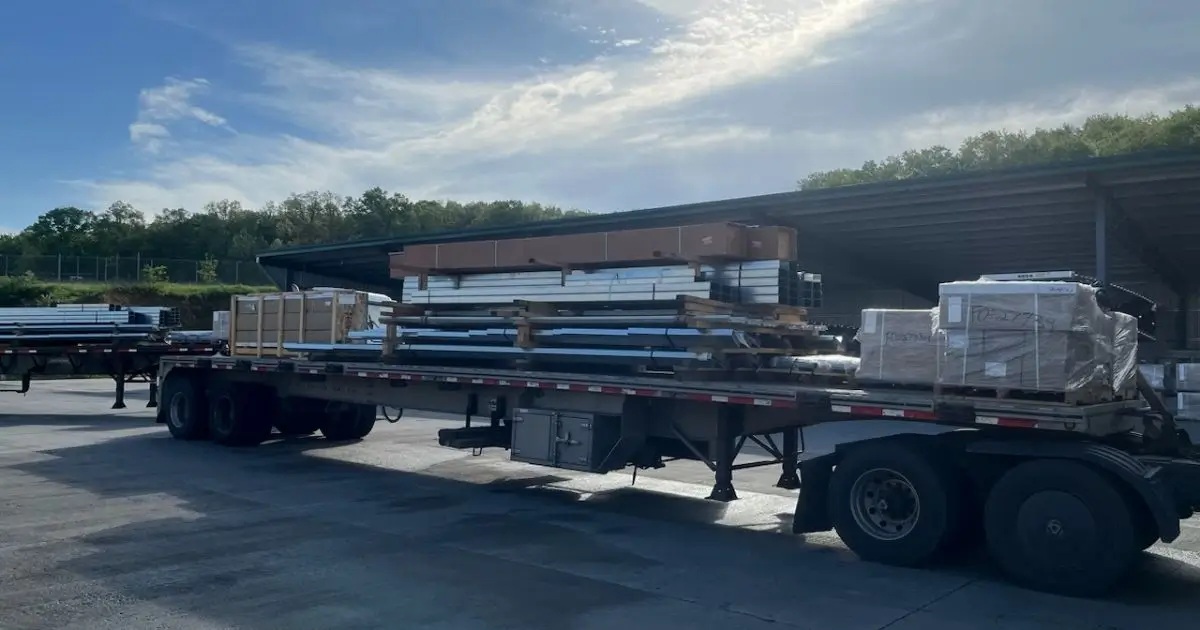
Once your foundation is ready, your project moves into the exciting stage – steel delivery and assembly.
Checklist:
- ✅ Clear access roads for delivery trucks.
- ✅ Designate a flat area for unloading materials.
- ✅ Confirm cranes or forklifts are available.
- ✅ Store steel components off the ground and covered until erection.
- ✅ Double-check all permits and inspections are complete.
Tower Steel Tip:
Tower Steel’s logistics team coordinates delivery timing with clients to ensure the site and foundation are fully ready before shipment.
11. Common Site Prep Mistakes to Avoid
Even experienced builders make small errors that can delay construction or lead to long-term issues.
Avoid These Mistakes:
- ❌ Skipping soil testing
- ❌ Underestimating frost depth
- ❌ Ignoring grading and drainage
- ❌ Using low-quality fill or un-compacted gravel
- ❌ Misaligning anchor bolts
- ❌ Rushing concrete curing
Each of these can compromise your foundation and create costly repairs later.
12. How Tower Steel Buildings Supports Ontario Builders
Tower Steel Buildings provides full foundation and site-prep support across Ontario. Their in-house engineering team designs customized permit-ready foundation drawings that meet local building codes and soil conditions.
Their services include:
- Site-specific foundation design
- Frost-depth and soil-bearing assessments
- Anchor bolt and rebar layouts
- Drainage and grading recommendations
- Coordination with local inspectors and builders
This complete support ensures every building starts on a strong foundation – literally.
Conclusion
A flawless foundation begins with thoughtful preparation.
From soil testing and grading to drainage and formwork, every detail matters.
By following this checklist and working with an experienced Ontario manufacturer like Tower Steel Buildings, you’ll avoid costly delays and create a site that’s truly ready for steel construction.
With decades of Ontario experience, Tower Steel ensures your foundation is not just strong – but built to last.
Reviewed by the Tower Steel Buildings Engineering Team
This article was reviewed by the Tower Steel Buildings engineering and foundation design team, specializing in site preparation and permit-ready foundation systems across Ontario.
1. How deep should a steel building foundation be in Ontario?
Most Ontario foundations extend at least 1.2 metres below grade to reach frost depth, ensuring stability through freeze-thaw cycles.
2. Can I pour my own foundation for a steel building?
Yes, but always follow engineer-stamped drawings. Tower Steel Buildings provides detailed foundation plans that local contractors can easily follow.
3. What’s the best time of year to prepare a site in Ontario?
Spring through early fall is ideal, when the ground is dry and temperatures are moderate.
4. Do I need a soil test for small garages or sheds?
For small residential projects, a formal test may not be required, but confirming basic soil type and drainage is strongly recommended.
5. Can Tower Steel help with foundation design and inspection?
Absolutely. Tower Steel Buildings designs permit-ready foundations and reviews site conditions before steel delivery to ensure compliance and quality.